Chinese AI Robotaxi Firms Expand Globally While US Rivals Stay Home
More than 70 Chinese physical AI companies have established international operations, deploying autonomous vehicles from Switzerland to Saudi Arabia.
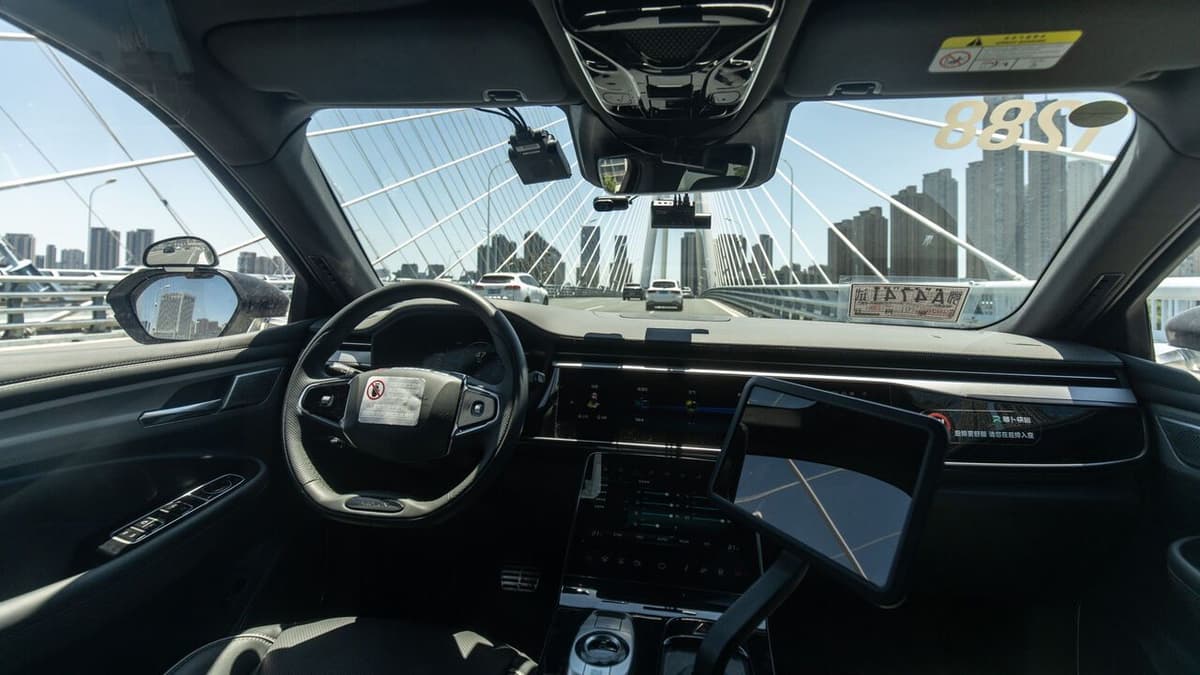
Chinese Autonomous Vehicle Companies Accelerate International Expansion
Chinese artificial intelligence companies specializing in physical applications are establishing a significant global footprint while their American counterparts remain largely focused on domestic markets. More than 70 Chinese physical AI firms have set up international operations, with approximately 20 additional companies preparing to expand abroad, according to research firm EqualOcean.
The trend is particularly visible in autonomous transportation. PostBus, a Swiss public-transport operator, has partnered with Apollo Go—the robotaxi division of Chinese tech giant Baidu—to launch driverless taxi services in eastern Switzerland's cantons beginning early next year. This collaboration represents one of dozens of recent projects where Chinese hardware and data systems power autonomous vehicles serving passengers in Singapore, Slovakia, Saudi Arabia, and beyond.
Why It Matters
This international expansion pattern reveals a strategic divergence in how Chinese and American AI companies approach growth. While Chinese firms aggressively pursue global deployment opportunities, established American players like Waymo—Alphabet's autonomous vehicle subsidiary—have concentrated on perfecting their technology within the United States before venturing internationally. This head start could give Chinese companies valuable operational data from diverse regulatory environments and road conditions, potentially accelerating their technological development while building international partnerships that may prove difficult for later entrants to displace.
Scale of Chinese AI Deployment
Several Chinese autonomous vehicle companies have achieved substantial international reach. Neolix, which specializes in autonomous logistics vehicles, already operates in dozens of countries. The company exemplifies the broader pattern of Chinese physical AI firms moving quickly to establish international presence across multiple markets simultaneously rather than pursuing sequential geographic expansion.
The contrast with American competitors is stark. Companies such as Waymo, despite their technological sophistication and earlier start in autonomous vehicle development, are only now beginning to expand beyond U.S. borders. This domestic focus has allowed Chinese firms to capture international partnerships and deployment opportunities that might otherwise have gone to American technology providers.
Hardware and Data Advantages
The Chinese expansion strategy centers on providing both the physical hardware—the vehicles and sensors—and the data processing systems that enable autonomous operation. This integrated approach allows Chinese companies to maintain control over the complete technology stack while their international partners gain access to autonomous vehicle capabilities without developing the underlying systems themselves.
These details were first reported by The Economist.
This is an original analysis by the Omega editorial team. Source reporting: AI Watch.
Want systems like this working for your business?
Book a Call
