China's First Fully AI-Generated TV Series Airs on Major Network
A 30-episode Journey to the West adaptation went from commission to broadcast in three months, signaling mainstream acceptance of AI production.
AI-Generated Drama Reaches Prime Time
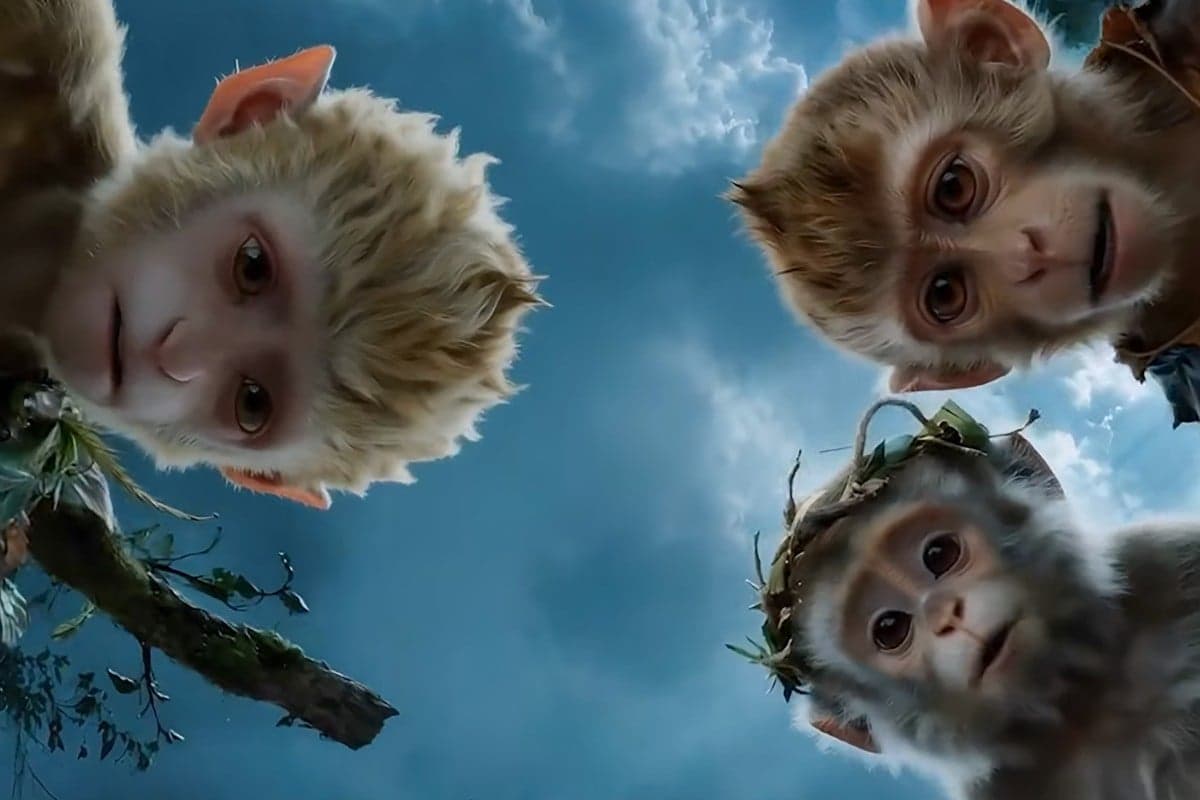
China's entertainment industry crossed a significant threshold this week when Hunan Satellite Television, a major state-owned broadcaster, premiered a fully AI-generated television series. The 30-episode adaptation of Journey to the West, a classic Chinese novel, represents the first time artificial intelligence has produced an entire prime-time drama series for a mainstream network.
Each episode runs approximately 40 minutes, and the entire production timeline from initial commission to broadcast spanned just three months. The production team continues working on later episodes, with the director indicating they will refine subsequent installments based on viewer response, according to local media reports.
Market Response and Industry Implications
The premiere triggered immediate financial market reactions. Shares of Mango Excellent Media, the publicly traded entity of Hunan broadcaster, hit the 20 percent daily trading limit twice during the week following the debut. The stock surge added more than 13 billion yuan (US$1.9 billion) to the company's market capitalization before gains moderated.
The market enthusiasm reflects broader investor recognition that AI-generated content has moved beyond experimental status. Industry observers note the broadcast represents implicit policy support for AI production methods in China's entertainment sector.
Why It Matters
The economics of television production are fundamentally shifting. A three-month production timeline for a 30-episode series represents a fraction of the time and budget traditional methods require. For China's entertainment industry, which has faced prolonged financial pressure, AI-generated content offers a path to produce programming at dramatically reduced costs. The involvement of a major state broadcaster signals that AI production has moved from social media experiments to institutional acceptance, potentially accelerating adoption across the industry.
From Social Media Experiments to Broadcast Television
AI-generated video content has proliferated across Chinese social media platforms in recent months, ranging from low-quality productions featuring humanlike cats in soap operas and anthropomorphic fruit in dating shows to increasingly sophisticated content that approaches live-action realism. The Journey to the West series represents a qualitative leap from these social media experiments to professionally produced, broadcast-quality programming.
"This sends a clear signal of policy support," said Guo Guo, a Beijing-based producer at a leading film and television company. "AI drama is going mainstream."
The series airs on both Hunan Satellite Television's broadcast channel and its streaming platform, Mango TV, which is known for popular entertainment programming. The broadcaster's willingness to dedicate prime-time slots to AI-generated content indicates confidence in both the technical quality and audience acceptance of the format.
These details were first reported by the South China Morning Post.
This is an original analysis by the Omega editorial team. Source reporting: AI Watch.
Want systems like this working for your business?
Book a Call