China Weighs Export Curbs on Advanced AI Models
Beijing officials met with Alibaba, ByteDance and startups to discuss restricting overseas access to cutting-edge systems, including unreleased models.
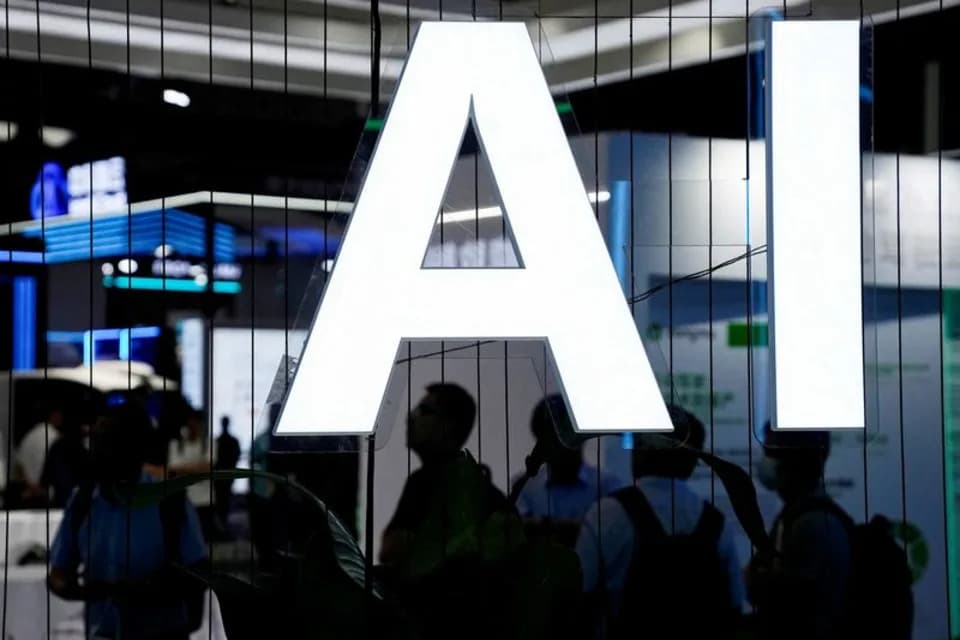
Chinese Officials Discuss AI Export Controls
Chinese authorities have convened meetings with leading technology companies over the past month to explore potential restrictions on overseas access to the country's most advanced artificial intelligence models, according to three sources familiar with the discussions. The deliberations, led by China's Ministry of Commerce, included representatives from Alibaba, ByteDance, and AI startup Z.ai.
The meetings signal Beijing's intent to treat cutting-edge AI as a strategic national asset requiring export controls—a posture that mirrors recent U.S. policy moves. Officials discussed applying restrictions to both closed-source and open-weight models, including systems not yet released to the public.
Why it matters
Chinese AI models have rapidly gained global market share due to their competitive pricing and improving capabilities, particularly following the emergence of DeepSeek's R1 model. Any decision to limit international access could significantly increase costs for businesses worldwide that have adopted these lower-priced alternatives to U.S. offerings. The move would also mark a fundamental shift in how AI technology flows across borders, potentially fragmenting the global AI ecosystem along geopolitical lines.
Scope and Enforcement Under Discussion
According to sources who spoke on condition of anonymity, officials explored making the leak or theft of proprietary AI technology an offense under China's national security law. The Ministry of Commerce also raised the possibility of implementing new controls on who can fund domestic AI startups.
The exact scope of potential restrictions remains under discussion. Two sources indicated the measures might apply only to future models rather than existing systems already deployed internationally. The timeline for implementation—or whether restrictions will ultimately be enacted—remains unclear.
Officials from the National Development and Reform Commission, China's state planning agency, also participated in the meetings. Neither the Commerce Ministry nor the NDRC responded to requests for comment.
Companies and Models Affected
The three companies present at the discussions represent a cross-section of China's AI industry. Alibaba's Qwen and ByteDance's Doubao rank among the most widely used AI models within China. Z.ai has recently attracted attention in Silicon Valley for its GLM-5.2 model, which reportedly approaches the capabilities of leading U.S. systems at substantially lower cost.
All three companies maintain portfolios that include both closed-source models and open-weight systems that users can download, run, and customize. None of the companies responded to requests for comment.
Parallel to U.S. Strategy
The deliberations reflect Beijing's adoption of an approach similar to Washington's treatment of advanced AI technology. Both governments now view cutting-edge AI systems as critical national assets warranting government oversight and export controls, rather than purely commercial products.
These details were first reported by Reuters correspondent Fanny Potkin.
This is an original analysis by the Omega editorial team. Source reporting: AI Watch.
Want systems like this working for your business?
Book a Call
