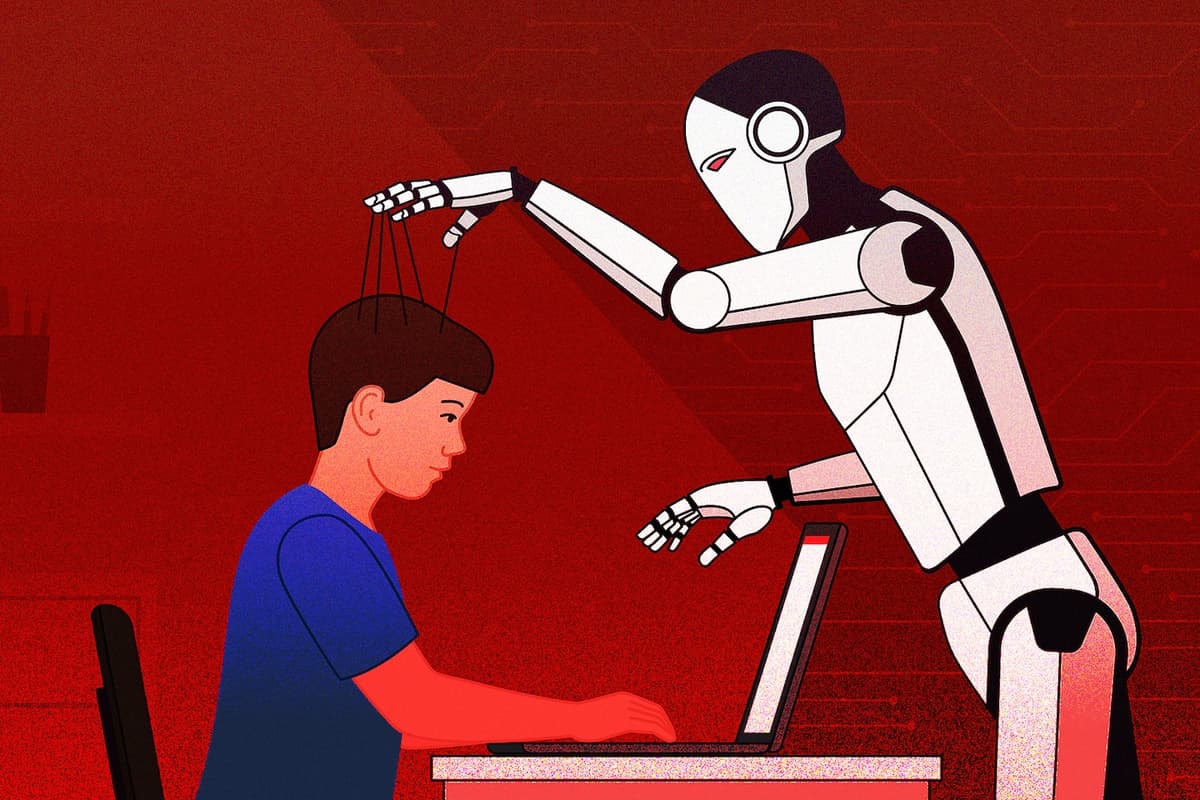
China to Track AI's Effect on Employment Over Five Years
Beijing will establish a survey system to monitor job creation and displacement as artificial intelligence adoption accelerates across the economy.
China to Monitor AI Employment Impact
China will establish a formal mechanism to evaluate how artificial intelligence affects its job market, signaling heightened government attention to potential workforce disruption from the rapidly advancing technology.
The State Council announced Wednesday that the country will research and implement a survey system to assess AI's implications for employment over the next five years. The initiative will analyze both job creation and job displacement, according to Bloomberg, which first reported the details.
The monitoring effort represents a concrete step by Beijing to understand and potentially manage the labor market consequences of AI adoption across Chinese industries. The five-year tracking period suggests authorities are preparing for sustained changes rather than treating AI's workforce impact as a short-term phenomenon.
Why it matters
China's move to systematically track AI employment effects reflects a pragmatic approach to technology governance that other nations may follow. While many countries debate AI regulation in abstract terms, Beijing is building infrastructure to measure real-world labor impacts—data that could inform future policy interventions. For multinational companies operating in China, this signals that workforce planning around AI deployment may face increased government scrutiny and potential regulatory requirements tied to employment outcomes.
Scope of the Assessment
The planned mechanism will continuously monitor how AI technologies are reshaping employment patterns. Chinese officials intend to track not only jobs eliminated through automation but also new positions created by AI-related industries and applications.
This dual focus on job displacement and creation suggests Beijing aims for a balanced understanding rather than a purely defensive posture toward AI adoption. The government appears to recognize that while some roles will disappear, AI may simultaneously generate employment in areas like model training, AI system maintenance, and new service categories enabled by the technology.
The announcement did not specify which industries or sectors would receive priority in the assessment, nor did it detail what policy responses might follow from the findings.
Broader Context
The employment monitoring initiative comes as China pursues aggressive AI development goals while simultaneously prioritizing social stability. Chinese leaders have consistently emphasized the importance of employment as a foundation for social harmony, making workforce disruption from any source a sensitive political issue.
China's approach contrasts with strategies in other major economies, where AI employment impact discussions have largely remained in academic and policy circles without systematic government-led tracking mechanisms. The State Council's announcement suggests Chinese authorities prefer measurable data over theoretical projections when addressing technology-driven economic change.
Details of the planned survey system were announced by the State Council on June 17, as reported by Bloomberg News.
This is an original analysis by the Omega editorial team. Source reporting: AI Watch.
Want systems like this working for your business?
Book a Call