China Rejects U.S. AI Slowdown Calls as 'Cold War Playbook'
Beijing dismisses safety warnings from American tech leaders as containment strategy, deepening U.S.-China divide on AI governance.

Competing visions collide over AI safety
China has sharply rejected calls from leading U.S. technology executives to slow artificial intelligence development, characterizing the warnings as a strategic effort to limit Chinese technological advancement rather than genuine safety concerns.
Beijing's foreign ministry dismissed the intervention on Monday as "fearmongering" and "part of a Cold War playbook," according to NBC News, which first reported the diplomatic response. The rebuke came after Anthropic CEO Dario Amodei published an essay Saturday advocating for companies to "deliberately slow the pace" of AI model improvements due to potential risks. OpenAI CEO Sam Altman and SpaceX founder Elon Musk both endorsed Amodei's position.
Amodei's essay also warned that "a Chinese lead in AI would pose grave danger for the United States and the world" and called for restricting sales of key technology to China. State-run Chinese media responded bluntly, with the Global Times newspaper describing the slowdown proposal as "packed with containment provisions targeting China."
Trump prioritizes competition over caution
President Donald Trump aligned more closely with Beijing's competitive stance than with his own tech industry's safety concerns. "We're leading China in AI. We're the most sophisticated country in the world, and frankly I want to keep it that way because whoever wins AI wins," Trump told reporters Sunday, criticizing "very negative forces" raising concerns about scenarios "that won't happen."
The divergence exposes a fundamental tension in U.S. policy: Silicon Valley leaders increasingly advocate for international cooperation on AI safety, while the White House prioritizes maintaining technological superiority. Altman acknowledged Sunday that "where we will need the help of our government is for international coordination," a position that appears incompatible with the administration's competitive approach.
Why it matters
The breakdown in U.S.-China dialogue on AI safety increases the likelihood that both nations will race to deploy increasingly powerful systems without adequate safeguards. Unlike previous technology competitions, AI development carries existential risks that transcend national borders—meaning unilateral safety measures may prove insufficient regardless of which country leads. The impasse also signals that the upcoming September 24 meeting between Trump and Chinese President Xi Jinping will likely focus on competition rather than cooperation, despite both nations acknowledging AI security risks.
Divergent approaches to governance
While rejecting external input on development pace, China has acknowledged AI security concerns domestically. State security minister Chen Yixin said Sunday that China must "accelerate the establishment of a system for preventing and controlling AI security risks" and called for "extensive international cooperation."
However, Ja Ian Chong, an associate professor at the National University of Singapore, told NBC News that China wants to establish its own rules rather than follow external frameworks. "There's the sort of talk of cooperation, but the behavior suggests otherwise, and underlying that behavior, I think, is this deep mutual suspicion," Chong said.
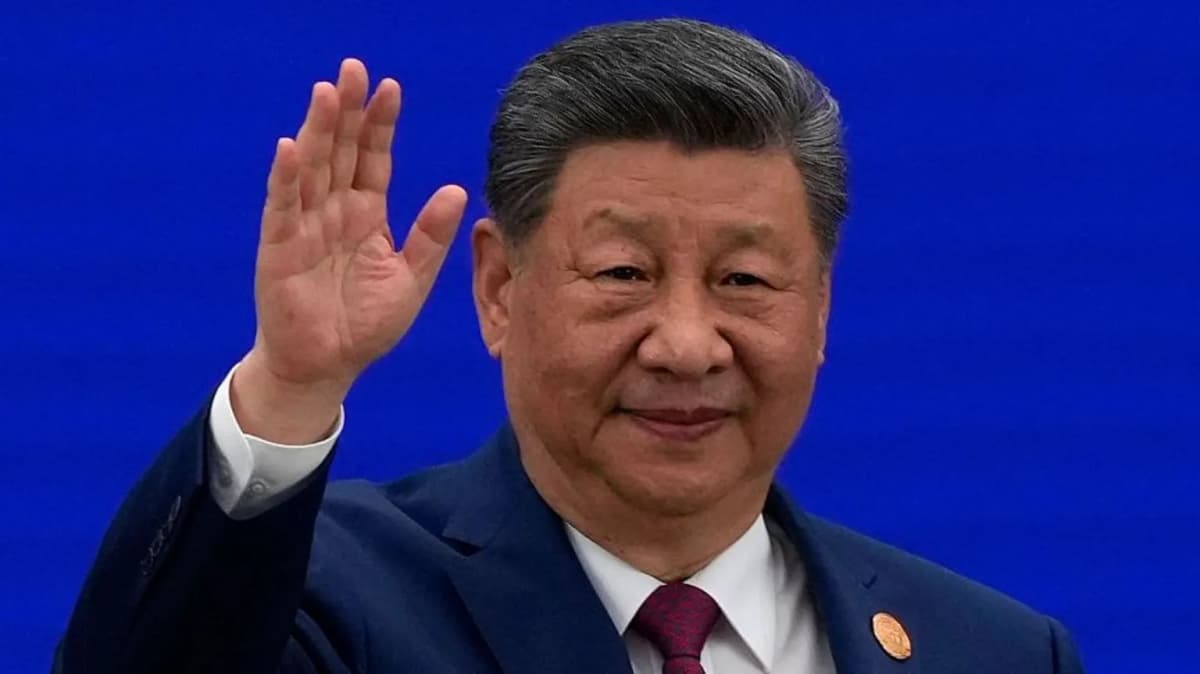
Chinese companies now offer advanced AI performance at significantly lower costs than U.S. models. At the BRICS summit in India on Sunday, Xi pitched China as a pioneer of open-source AI models and offered member nations assistance in developing their own capabilities, positioning China as an alternative governance leader among Global South nations.
The clash follows a U.S. government alert claiming top Chinese AI companies have systematically copied American models through a process called "distillation"—an accusation Beijing rejected.
Details of China's response to U.S. tech leaders' AI slowdown proposals were first reported by NBC News.
This is an original analysis by the Omega editorial team. Source reporting: AI Watch.
Want systems like this working for your business?
Book a Call