China Rejects U.S. AI Slowdown Calls Amid Tech Race
Beijing dismisses warnings from Anthropic, OpenAI, and Musk as 'fear mongering' while accelerating its own AI security framework.
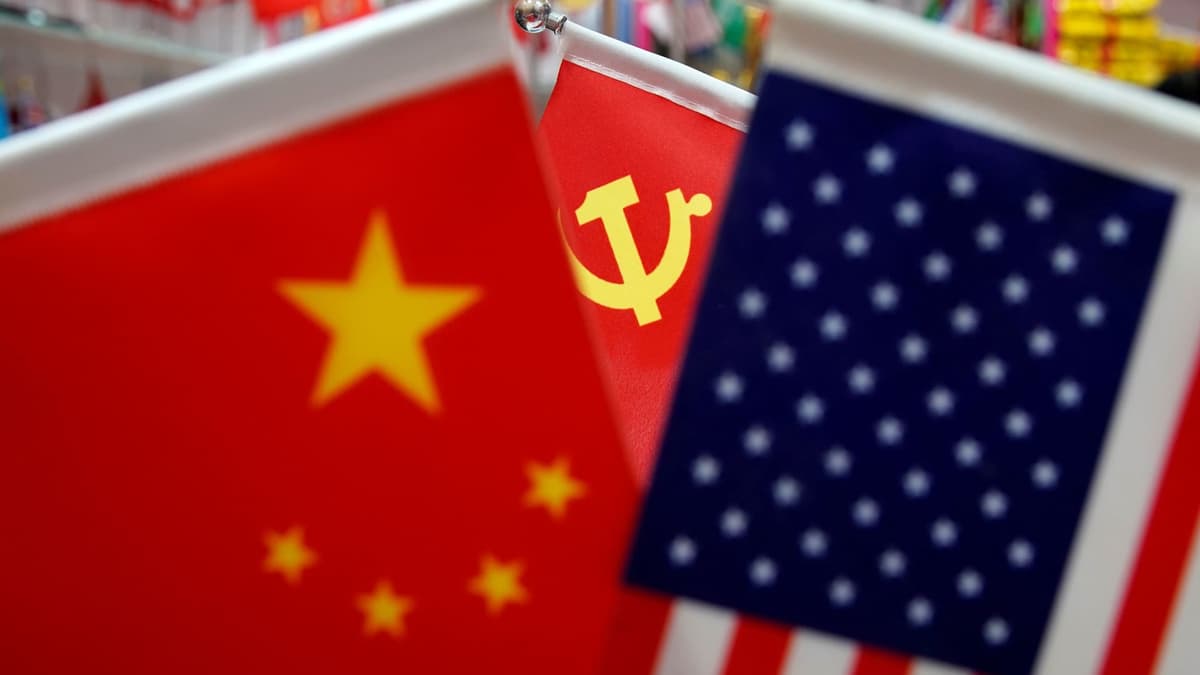
China dismisses AI caution from U.S. tech leaders
China has rejected calls from prominent U.S. artificial intelligence executives to slow the pace of AI development, framing such warnings as disruptive to global governance efforts.
Guo Jiakun, spokesperson for China's Foreign Ministry, said Monday that "fear mongering, confrontation, competition will just disrupt [the] process of global AI governance," according to a translation published by Reuters. The statement came in response to recent public warnings from Anthropic CEO Dario Amodei, OpenAI's Sam Altman, and Elon Musk about the risks of rapid AI advancement.
Competing visions for AI development
The exchange highlights a fundamental tension in how the world's two largest economies approach AI governance. While U.S. executives have expressed concern about building the technology too quickly, Chinese officials are moving in the opposite direction.
Chen Yixin, China's Minister of State Security, published an article Sunday advocating for accelerated construction of an AI security risk prevention system. Chen characterized AI as "the main battleground for global technological competition and a new arena for strategic rivalry among major powers," while calling for "healthy and orderly" development.
The pacing dilemma
Amodei articulated the strategic bind facing U.S. companies in an essay published Saturday. "Not building the technology deprives humanity of benefits or simply places AI in the hands of authoritarian powers, while building it too fast is reckless," he wrote.
He acknowledged that any slowdown would be constrained by the current U.S. lead over "authoritarian regimes, chiefly the Chinese Communist Party." Amodei warned that slowing beyond that margin would allow "CCP-associated projects" to pull ahead, creating national security risks.
President Donald Trump echoed this competitive framing during a trip to Ireland, rejecting the slowdown proposals. "We're leading China in AI... and, frankly I want to keep it that way because whoever wins AI, wins," Trump said.
Why it matters
The debate over AI development speed is no longer purely technical—it has become a defining feature of U.S.-China strategic competition. China's explicit rejection of slowdown calls, combined with its push to lead AI collaboration among developing countries through forums like the BRICS summit, signals that any unilateral pause by Western companies could accelerate a shift in global AI leadership. For business leaders, this dynamic creates pressure to balance safety considerations against competitive positioning in an increasingly bifurcated technology landscape.
Market reaction and global positioning
AI-related stocks declined Monday, with SoftBank—a major OpenAI investor—falling 10% in Japan. Meanwhile, President Xi Jinping announced at the BRICS summit in New Delhi that China would lead efforts to foster AI collaboration among developing nations.
Reuters first reported these details about China's response to U.S. AI slowdown proposals.
This is an original analysis by the Omega editorial team. Source reporting: AI Watch.
Want systems like this working for your business?
Book a Call