China Pushes to Replace English AI Terms with Chinese Equivalents
State media argues foreign terminology creates 'cognitive dependency' and weakens China's influence in global tech governance.
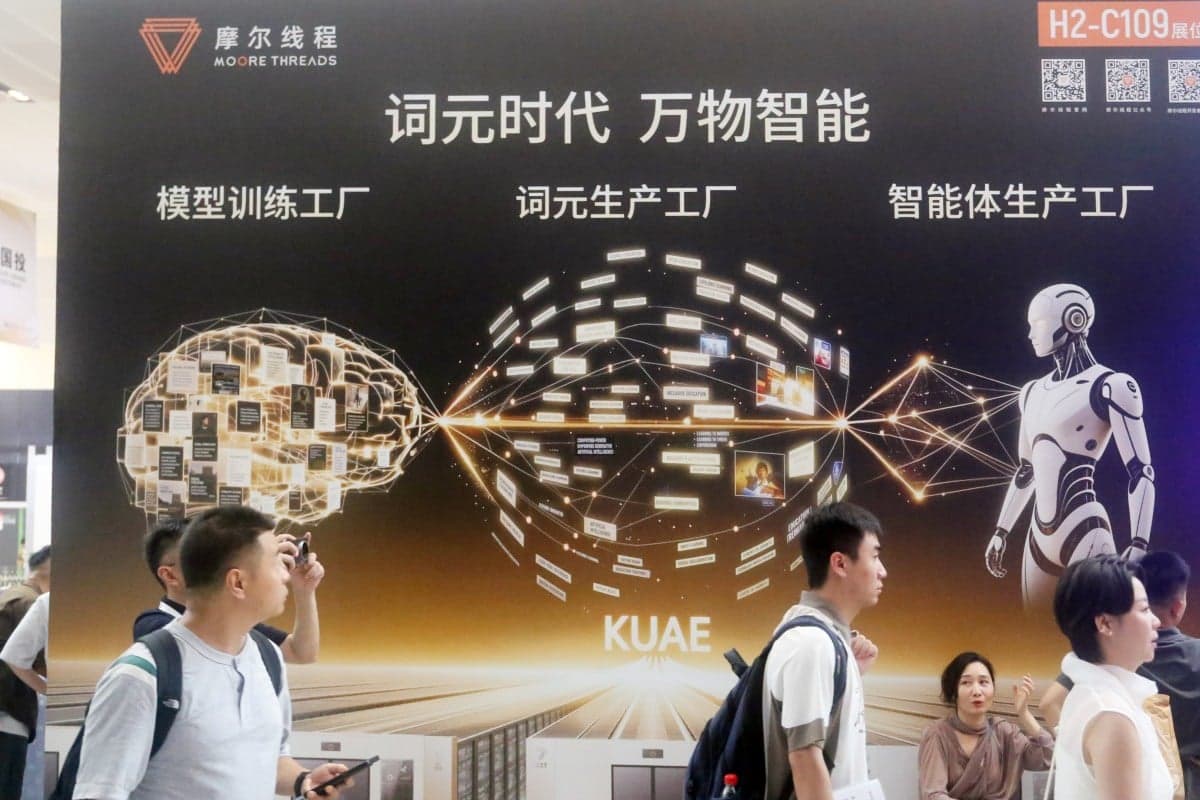
China's state media is urging citizens and organizations to abandon English-language artificial intelligence terminology in favor of standardized Chinese translations, part of a broader campaign to strengthen the country's influence in global technology conversations.
A commentary published by the People's Daily, the Communist Party's official mouthpiece, argued that widespread use of English terms like "agent" and "LLM" for large language model creates what it called "cognitive dependency" on foreign concepts. This reliance, the commentary suggested, ultimately weakens China's voice in shaping global technology governance.
Official Translation Standards
The push for linguistic standardization has already produced concrete results. In March, Chinese officials designated "ciyuan" as the standard translation for "token" at the China Development Forum 2026. The term combines "ci" (word) with "yuan," which carries connotations of fundamental elements or currency—notably, yuan is the base unit of China's renminbi currency.
According to the People's Daily commentary, the proliferation of untranslated English jargon in China's rapidly expanding AI sector poses multiple risks. The article contended that foreign terminology could strip China of the authority to define key technological concepts, slow the development of original domestic theories, and prevent the emergence of a distinctly Chinese framework for discussing technology.
Why it matters
Language standardization in technology reflects deeper geopolitical competition over who sets the terms—literally—for emerging innovations. By establishing Chinese equivalents for AI terminology, Beijing aims to reduce conceptual dependence on Western frameworks and assert greater control over how these technologies are understood domestically. This linguistic campaign parallels China's broader efforts to develop indigenous AI capabilities and establish alternative governance models for technology that compete with Western approaches.
Historical Precedent
The commentary drew parallels to earlier successful localization efforts. It cited "dian nao"—literally "electric brain"—as the Chinese term for computer, arguing that such translations make technology more accessible to ordinary citizens. English AI terms, by contrast, remain opaque to most Chinese speakers who lack English proficiency, the article maintained.
The People's Daily framed the initiative as essential to bolstering China's "discourse power," a concept that encompasses the ability to shape narratives and define terms in international conversations. As AI technologies continue their rapid spread throughout China, state media appears determined to ensure that Chinese language and concepts keep pace.
These details were first reported by the South China Morning Post.
This is an original analysis by the Omega editorial team. Source reporting: AI Watch.
Want systems like this working for your business?
Book a Call
