China Confirms First U.S.-China AI Talks, Trade Truce Extension
Beijing's Commerce Ministry disclosed bilateral discussions on artificial intelligence governance and tariff reduction ahead of the Trump-Xi summit.
First bilateral AI dialogue takes shape
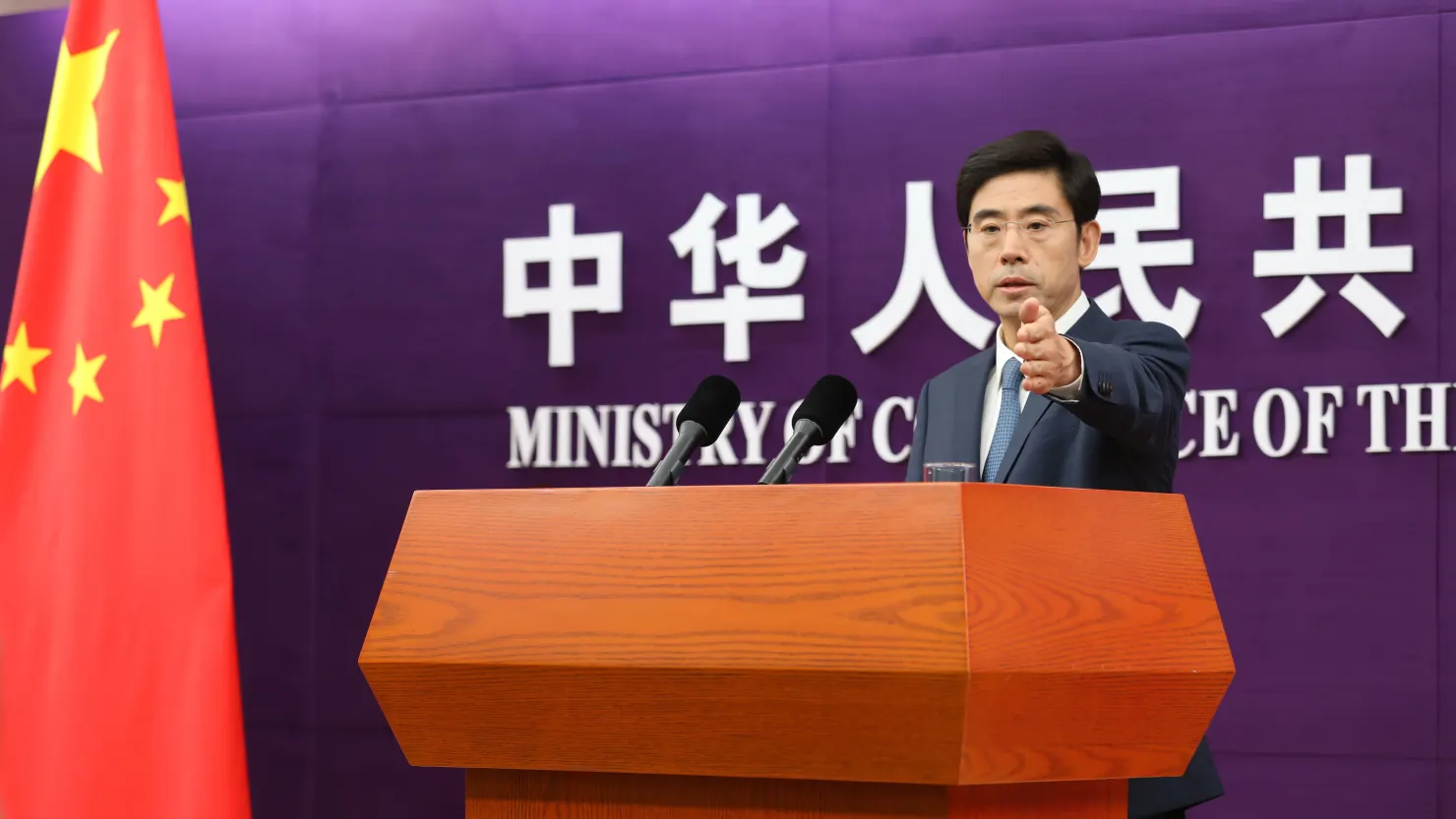
China's Ministry of Commerce confirmed Thursday that senior officials from both countries have conducted their first formal discussions on artificial intelligence, marking a new dimension in U.S.-China relations as the two economic powers navigate technological competition.
Spokesperson He Yadong told reporters that Vice Premier He Lifeng met with Treasury Secretary Scott Bessent in New York prior to this week's summit between President Donald Trump and President Xi Jinping. The talks covered both AI governance and plans for tariff reduction, according to CNBC, which first reported the details.
Trade truce gets three-month extension
Bessent announced Wednesday on Fox News that the two nations agreed to extend their trade arrangement through January. The original truce, negotiated in Kuala Lumpur last October, maintained lower tariff levels and placed limits on China's export controls for rare earth elements—materials essential to semiconductor manufacturing, consumer electronics, and defense systems.
The Commerce Ministry characterized the discussions as "constructive" and "candid," stating that negotiators reached multiple points of consensus. Bessent indicated earlier in the week that the countries discussed creating both an AI dialogue framework and a mutual alert mechanism for AI-related risks.
Why it matters
Establishing formal AI talks between Washington and Beijing creates a potential channel for managing one of the most consequential technology competitions of the decade. With both nations racing to develop advanced AI systems while grappling with safety concerns, a bilateral mechanism could help prevent miscalculation or unintended escalation. The extension of trade arrangements also provides businesses with near-term predictability, though the January deadline means negotiations will continue under pressure.
Timing aligns with state visit
The Chinese confirmation arrived just hours before Xi and Trump were scheduled to begin formal talks in Washington as part of a state visit. Both governments are weighing how to address risks from rapidly advancing AI technology following recent incidents that have heightened concerns about increasingly autonomous systems potentially enabling faster, harder-to-contain attacks.
The dual focus on trade stability and emerging technology governance reflects the complex interdependence between the world's two largest economies, even as strategic rivalry intensifies across multiple domains.
CNBC first reported these developments from Beijing.
This is an original analysis by the Omega editorial team. Source reporting: AI Watch.
Want systems like this working for your business?
Book a Call