Cargo Thieves Use Ramming Attacks to Steal AI Data Center Hardware
Criminals are deploying violent new tactics—including deliberate collisions—to intercept high-value shipments of servers and chips, leaving the freight industry scrambling to respond.
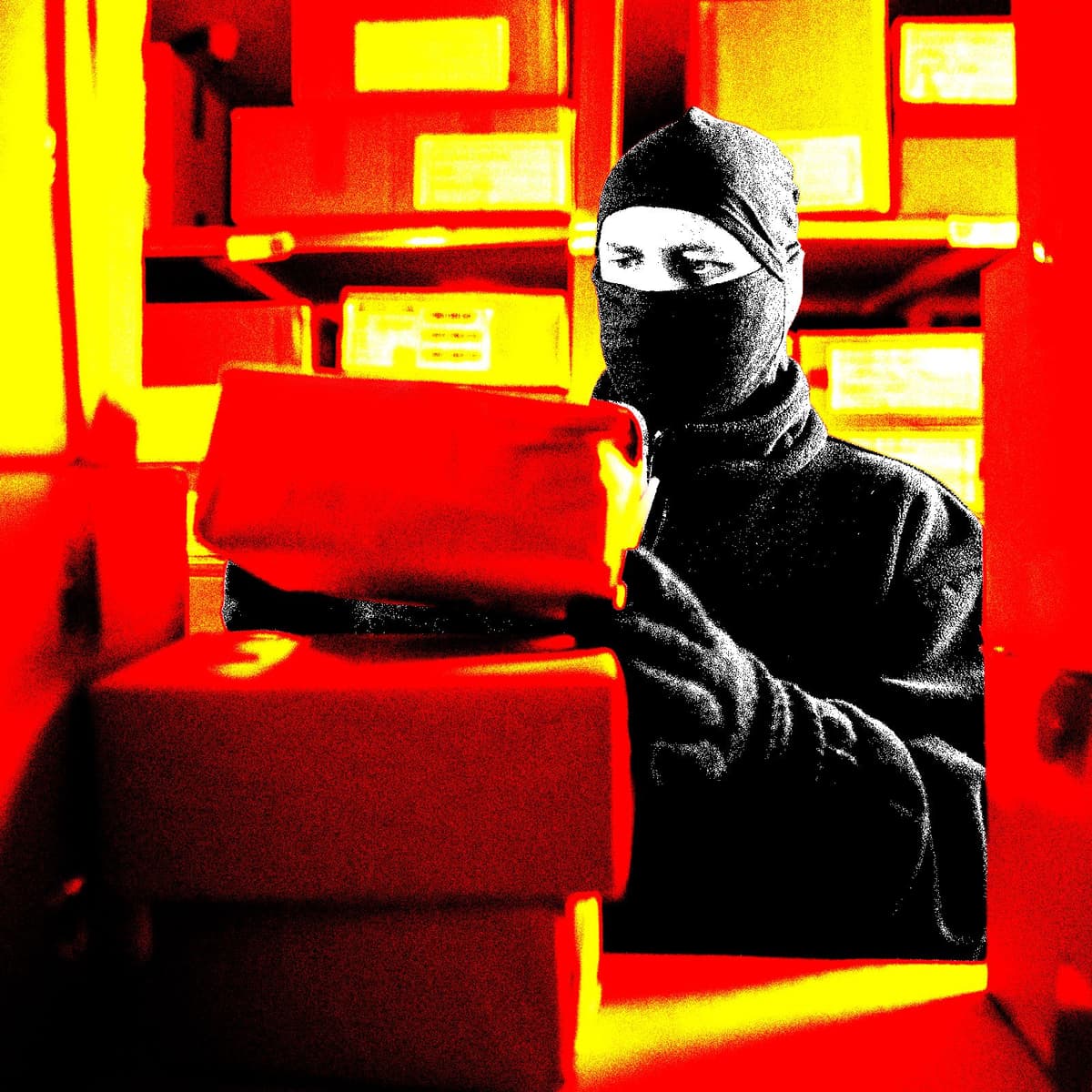
Violent Tactics Target AI Hardware in Transit
Cargo thieves have begun using deliberate vehicle collisions to intercept shipments of AI data center equipment, marking what industry veterans describe as an unprecedented escalation in freight crime.
Gerardo Pachuca, a consultant and former Los Angeles sheriff's detective with 25 years investigating cargo theft, detailed two recent incidents in which criminals disabled private security escorts protecting high-value technology shipments traveling from Silicon Valley to Southern California. In one case, thieves rear-ended an escort vehicle in a hit-and-run. In another, they executed a PIT maneuver—a tactical ramming technique that forces vehicles into a spin—before fleeing the scene.
Once the escorts were immobilized, the semi-trucks continued driving but never reached their destinations. The drivers disappeared along with millions of dollars in data center equipment, according to Pachuca, who learned of the thefts from law enforcement sources. He believes the truck drivers were complicit, a pattern that has become increasingly common in freight crime.
Two other freight industry professionals corroborated the accounts. J.J. Coughlin, chairman of the Southwest Transportation Security Council, confirmed that one escort company reported an attack while guarding "high-value technology." Danny Ramon, director of intelligence at freight-monitoring firm Overhaul, described one incident as a "coordinated assault" targeting "AI hardware."
Why it matters
The attacks represent a dangerous evolution in cargo theft at precisely the moment AI infrastructure has become one of the most valuable—and vulnerable—categories of freight. Data center construction spending in the first half of this year alone exceeded all of 2023, creating lucrative new targets. While reported theft incidents fell 26 percent year-over-year last quarter, the value of stolen goods more than doubled, according to Verisk CargoNet. The mismatch between the extraordinary value of AI components and standard shipping security creates systematic vulnerability that organized criminals are now exploiting with increasingly brazen methods.
Digital Fraud Meets Physical Force
Most cargo theft still relies on digital deception rather than violence. Criminals hack trucking companies' email accounts through phishing, allowing them to pose as legitimate carriers and claim shipments. Others purchase stolen motor carrier registration numbers—the federal identifiers assigned to trucking companies—to operate under established credentials.
Both recent ramming incidents involved recently sold motor carrier numbers, Pachuca said. In a separate California case, thieves used a similar technique to steal Meta server switches valued at $550,000, according to California Highway Patrol sergeant Omar Morales. Authorities recovered the equipment in June after a prospective buyer reported a deal that seemed "too good to be true."
The same month, investigators discovered a trailer containing approximately $1 million in data center equipment in the Chicago area. In May, Southern California authorities seized $4 million in allegedly stolen cargo, including cooling equipment from Deepcool AI.
Industry Adapts to New Threat
Escort companies, once busy primarily before holiday shopping seasons, now operate year-round protecting shipments of liquid cooling parts, servers, and computer chips. Michael Duffy, CEO of Solutions Group International, said his company has protected 13,000 shipments over four years without a loss, but the industry is now developing response protocols for suspected attacks.
Shippers are deploying additional countermeasures. Some attach GPS trackers directly to high-value cargo, install license-plate cameras to detect surveillance, or scan drivers' licenses to catch forgeries. Others split loads across multiple trailers to limit potential losses.
A new federal system called MOTUS aims to reduce fraud by making it easier to verify legitimate trucking companies and track registration transfers. But enforcement remains fragmented across state lines, and low prosecution rates mean cargo theft remains what one expert called "high-reward, low-risk crime."
Based on location data when stolen components are activated, some investigators suspect much of the hardware is smuggled overseas, potentially to countries like China where U.S. export controls have created black market demand.
These details were first reported by WIRED.
This is an original analysis by the Omega editorial team. Source reporting: WIRED.
Want systems like this working for your business?
Book a Call