California State University Renews $13M OpenAI Deal Despite Faculty, Student Skepticism
Most survey respondents say AI hasn't improved education, yet the system extends its ChatGPT Edu contract amid budget pressures.
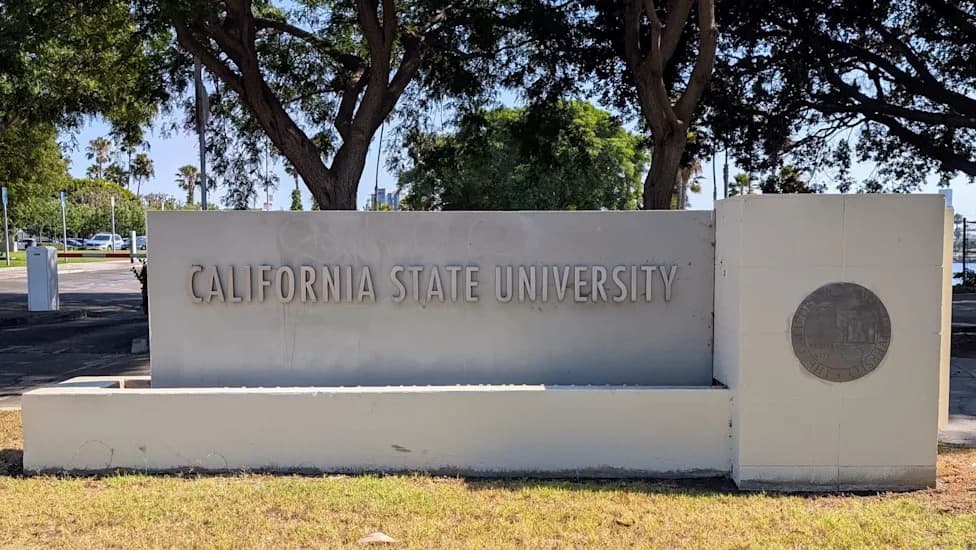
California State University has renewed its annual $13 million agreement with OpenAI, extending campus-wide access to ChatGPT Edu despite survey data showing most students and faculty remain unconvinced the technology improves educational outcomes.
The decision comes as the university system faces potential budget cuts of $144 million, raising questions about priorities and the balance between technological adoption and academic impact.
Widespread use, persistent doubts
CSU's original $17 million deal with OpenAI last year gave more than half a million students and faculty access to ChatGPT Edu, making the system one of higher education's most prominent early adopters of generative AI. Usage is indeed high: 84% of survey respondents reported trying ChatGPT, and roughly half use AI tools regularly.
Yet a recent system-wide survey of more than 94,000 respondents revealed significant skepticism about educational value. According to Futurism, which first reported the contract renewal, 65% of students and 59% of faculty said they do not believe AI has improved education overall. More than half of faculty members reported that AI had actually hurt their teaching, and approximately 40% of instructors have discouraged or banned AI use in their classes.
Internal planning documents obtained by NPR described the OpenAI partnership as a "huge branding [opportunity]," fueling concerns that institutional visibility may have weighed as heavily as academic outcomes in the decision-making process.
Why it matters
CSU's approach could influence AI adoption strategies at universities nationwide. The disconnect between high usage rates and low confidence in educational benefits highlights a critical tension: students may use AI tools because they're available and convenient, not because they believe those tools enhance learning.
Early research suggests potential cognitive costs. Studies have linked AI use to weaker critical-thinking skills, memory problems, and reduced brain activity during cognitive tasks, according to Futurism. Many students also express ethical concerns about submitting AI-generated work as their own.
The environmental dimension adds another layer of complexity. AI data centers consume substantial electricity and water, potentially straining local power grids and increasing emissions when fossil fuel sources compensate for demand spikes. These infrastructure costs arrive alongside concerns about bias, job displacement, and the erosion of creative skills.
Faculty and student pushback
CSU English professor Jennifer Trainor told NPR that many students are "ethically opposed to the environmental impacts and the bias and the erasure of their jobs and voices and creativity." One student expressed disappointment that the university "accepted [AI] with open arms immediately."
Professor Martha Kenney, who led a petition opposing contract renewal, argued that "refusing this technology needs to be a position that's on the table."
The renewal decision suggests CSU leadership views AI integration as inevitable despite these reservations, betting that early adoption will position the system advantageously even as questions about educational impact remain unresolved.
Details of the contract renewal and survey results were first reported by Futurism and NPR.
This is an original analysis by the Omega editorial team. Source reporting: AI Watch.
Want systems like this working for your business?
Book a Call