California Signs 20+ AI Bills; Six States Continue 2026 Sessions
Gov. Newsom adds synthetic performer disclosure law as Massachusetts, Michigan, and New Jersey advance privacy, workplace, and housing measures.
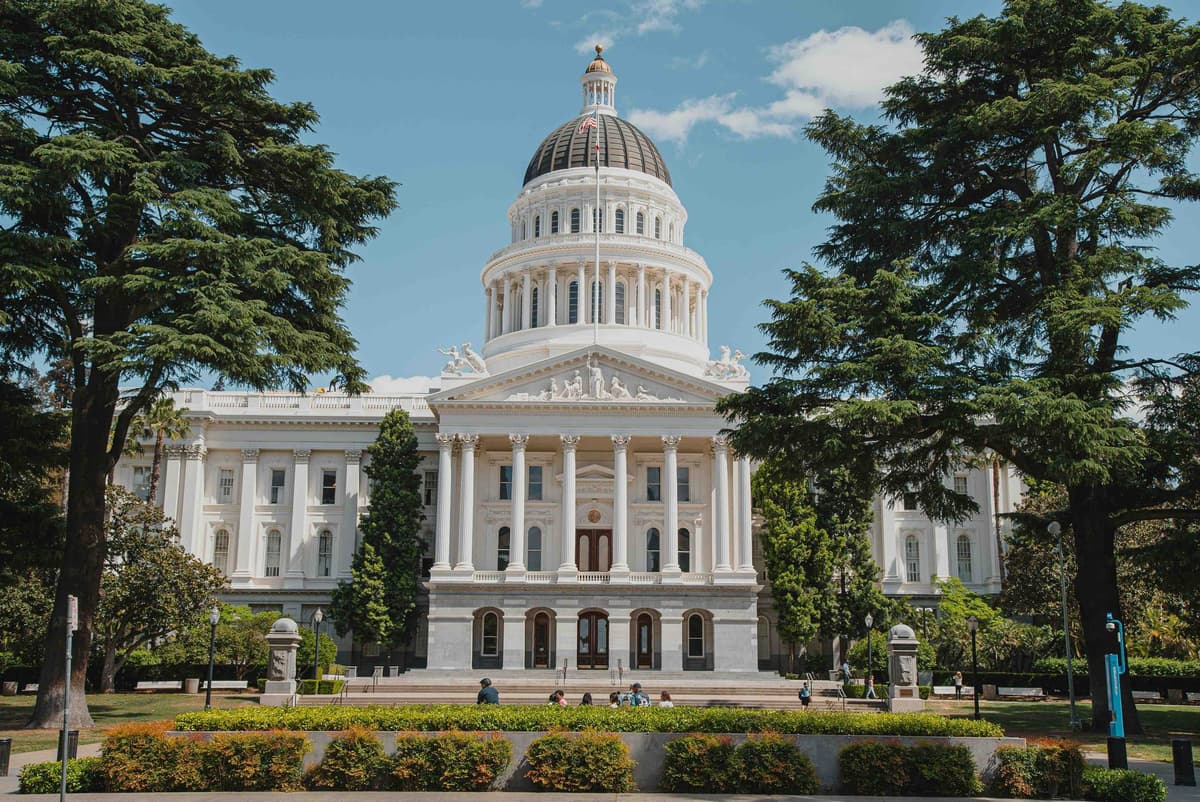
California expands AI regulatory framework with latest signature
California Governor Gavin Newsom signed his latest artificial intelligence bill into law this week, adding to a growing body of state-level AI regulation. On Wednesday, Newsom appeared at SAG-AFTRA headquarters to sign SB 1050, which mandates disclosure when video or audio advertisements use AI-generated performers. The measure, sponsored by Senator Angelique Ashby and backed by the actors' union, represents California's 20th AI-related law enacted in 2026.
The signing came as the governor faces a September 30 deadline to act on more than 30 additional AI bills passed by the legislature before it adjourned. Roughly a dozen measures await his signature, covering domains from healthcare chatbots to workplace surveillance and student privacy protections.
Among the bills already signed this year: AB 1709 requires social media platforms to offer versions for users under 16 without addictive features like personalized feeds and autoplay; AB 1883 prohibits employers from using AI workplace surveillance to collect neural data or identify emotional states; and SB 867 bans companion chatbots in toys for five years. The Transparency Coalition for AI, which tracks state legislation, reports that 27 states have passed 85 new AI-related laws so far in 2026, according to details first reported by AI Watch.
Six states advance AI legislation in extended sessions
While most state legislatures have adjourned, Michigan, Pennsylvania, Massachusetts, Ohio, New Jersey, and North Carolina continue to consider AI measures. Massachusetts lawmakers are negotiating differences between House and Senate versions of a comprehensive privacy bill that includes AI provisions. Key sticking points include enforcement mechanisms—the Senate version lacks a private right of action while the House includes a limited one—and whether to allow the sale of sensitive data with consumer consent.
Michigan's Senate approved SB 760 in April, a chatbot safety bill that would prohibit operators from offering products to minors capable of encouraging self-harm, suicidal ideation, or disordered eating. The measure now sits with the House Communications Committee.
New Jersey enacted one of the nation's first AI-related rental housing restrictions in July. The Forbidding the Algorithmic Inflation of Rent (FAIR) Act makes it an antitrust violation for rental property owners to use algorithmic price-setting services, which legislators argue facilitate illegal collusion. Illinois passed similar legislation earlier this year that awaits the governor's signature.
Why it matters
The volume and breadth of state AI legislation in 2026 signals that regulatory frameworks are being built from the ground up while federal action remains stalled. California's approach—targeting specific use cases from synthetic media to workplace monitoring rather than attempting comprehensive AI regulation—is becoming a template other states are following. For technology companies, the patchwork of state laws creates compliance complexity but also provides clearer guardrails than the regulatory vacuum that existed 18 months ago. The focus on child safety, workplace rights, and consumer protection reflects where legislators see the most immediate risks requiring intervention.
Pennsylvania legislature returns with AI bills pending
Pennsylvania's House reconvened September 9 in a special Philadelphia session, with the Senate scheduled to return September 28. The state has AI-related measures pending as lawmakers resume their work.
These details were first reported by the Transparency Coalition for AI in its weekly legislative update.
This is an original analysis by the Omega editorial team. Source reporting: AI Watch.
Want systems like this working for your business?
Book a Call