California Passes 26 AI and Social Media Bills in Final Session
Democratic lawmakers approved sweeping measures targeting minors' online safety, AI in healthcare, and workplace surveillance as session closed.
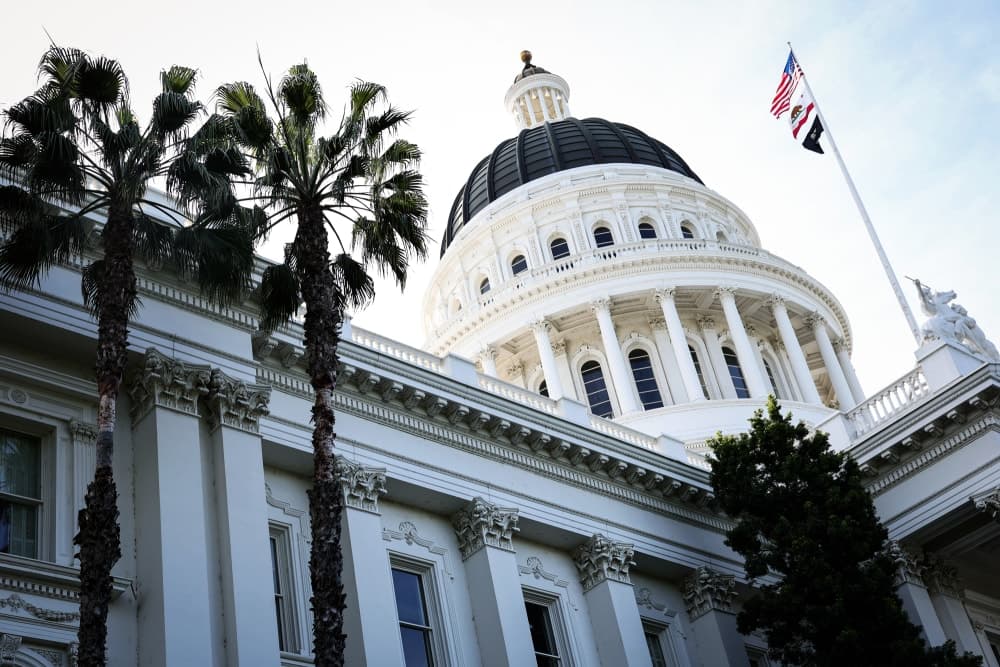
California's Democratic-controlled Legislature approved more than two dozen bills targeting artificial intelligence and social media platforms in the final hours of its Monday session, setting up a critical decision point for Gov. Gavin Newsom as he weighs potential 2028 presidential ambitions.
The 26 measures passed during the session's final week represent one of the most comprehensive state-level efforts to regulate emerging technology, with particular focus on protecting minors and limiting AI applications across healthcare, education, and employment.
Why it matters
California's legislative package could establish the national template for AI and social media regulation at a time when federal action remains stalled. The bills would create what experts describe as the country's most robust framework for protecting children online, while also addressing workplace surveillance and healthcare AI applications that affect millions of Californians. Newsom's decisions on which measures to sign will signal his positioning on technology regulation ahead of a likely presidential campaign.
Protecting minors online
Several bills directly target features that researchers have linked to addictive behavior in young users. One measure would prohibit social media companies from providing "addictive features" — including autoplaying videos — to users under 16. Another would strengthen existing chatbot restrictions for minors by implementing age verification requirements and limiting advertising exposure.
Both bills would make platforms and AI chatbot providers financially liable for failing to protect children from harm. State Sen. Steve Padilla, who authored one of the measures, framed the legislative push as a response to federal inaction.
"While Washington is focused on catering to their tech oligarchs, California is filling the regulatory void to protect our children and prevent another repeat of the social media disaster," Padilla said in a statement.
AI restrictions across sectors
The Legislature approved targeted AI limitations in education, healthcare, and employment. One bill mandates that all instructors in the California State University system must be human, though they may use AI tools in teaching. Another prohibits employers from deploying AI surveillance systems that collect "neural data" to assess workers' emotional states.
In healthcare, lawmakers passed measures requiring therapy and psychotherapy services to be delivered exclusively by licensed human professionals, explicitly barring AI chatbots from providing these services. A separate bill clarifies that AI systems used by healthcare providers remain subject to existing medical confidentiality laws.
Retailers would face new restrictions on dynamic pricing practices characterized in one bill as "surveillance pricing."
Newsom's balancing act
The governor faces a complex political calculation. Throughout his tenure, Newsom has maintained close ties to the technology industry, which has filled state coffers with tax revenue and his campaign accounts with contributions. According to reporting by Politico, OpenAI CEO Sam Altman contacted Newsom directly to express concerns about some of the AI measures.
Yet Newsom has recently adopted a more populist stance on technology regulation. Earlier this year, he issued an executive order directing state agencies to develop plans for mitigating AI's impact on California workers. This summer, he signed bills requiring that public school services come from "natural persons" and mandating disclosure of location-tracking in vehicles.
Newsom has until the end of September to decide which bills to sign into law. His office did not immediately respond to questions about his plans.
Additional measures
Lawmakers also passed bills addressing law enforcement practices, including a ban on electric shock gloves — a direct response to Immigration and Customs Enforcement plans to purchase up to $20 million worth of the devices. Other measures would expand parole eligibility for older inmates and restrict mask-wearing by certain law enforcement officials.
These details were first reported by NBC News.
This is an original analysis by the Omega editorial team. Source reporting: AI Watch.
Want systems like this working for your business?
Book a Call
