California Growers Turn to Robots as Labor Costs Jump 40%
Specialty crop producers deploy autonomous systems for transplanting, transport, and pruning as regulatory expenses compound wage increases.
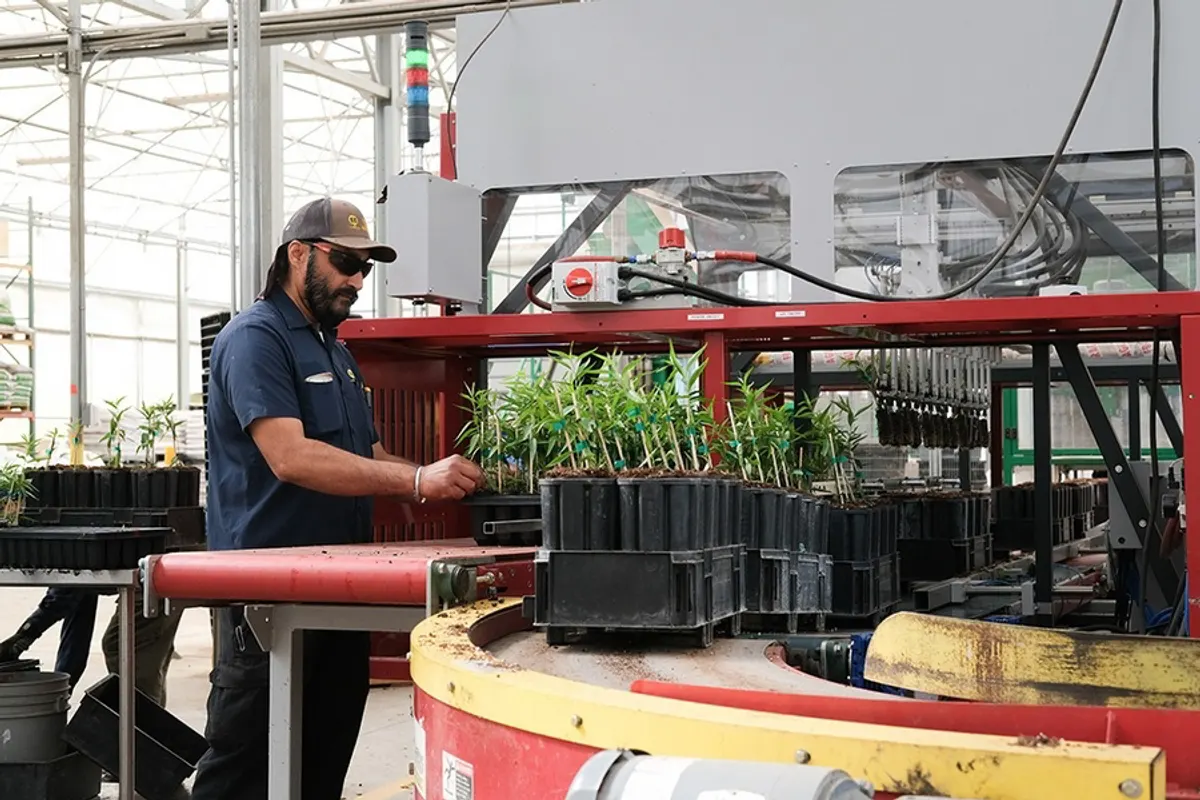
California Farms Accelerate Automation Amid Rising Labor Expenses
Specialty crop producers across California are deploying robotic systems at an accelerating pace as labor costs and compliance expenses reshape operational economics. The shift is most pronounced in nurseries, tomato operations, and vineyards, where automation now handles tasks that previously required dozens of workers.
Sierra Gold Nurseries in Yuba City exemplifies the transition. The company, which supplies trees for almond and apple orchards, has seen labor climb to approximately 60% of total input costs while employing more than 300 workers during peak seasons. In response, the nursery installed a robotic transplanting system that eliminated a 12-person potting line and deployed autonomous shuttles to move plants across its 26-hectare facility.
"We've implemented a lot more automation," said Josh Puckett, vice president of operations at Sierra Gold, according to reporting by AgAlert.
Economic Pressures Drive Technology Adoption
The automation push responds to compounding cost increases. California's minimum wage has risen 40% since 2016, while new agricultural overtime regulations have either increased direct labor expenses or reduced available working hours for some operations.
Compliance costs have escalated in parallel. Research from Cal Poly, San Luis Obispo found that regulatory compliance expenses for California lettuce growers increased 64% between 2017 and 2024, with labor-related regulations accounting for the majority of the increase.
"Both hit us at once," Puckett said, referring to the combined impact of minimum wage and overtime legislation.
The pattern extends beyond nurseries. Yolo County tomato grower Bruce Rominger purchased a robotic transplanter in 2024 that reduced his planting crews from 30 workers to four employees. California wine grape growers have similarly expanded mechanized pruning, leaf removal, and harvesting systems. Autonomous sprayers, self-propelled harvest platforms, optical sorting equipment, and laser weeders are becoming standard across specialty crop production.
Technical Limits and Workforce Transformation
Despite the automation wave, farm labor remains essential for many tasks. Stavros Vougioukas, an agricultural robotics researcher at the University of California, Davis, said robotic systems will not match human workers in harvesting fruit from within crop canopies without causing damage "for the foreseeable future."
Growers also face barriers including high upfront investment costs and regulations governing driverless farm equipment.
The technology shift is transforming rather than eliminating jobs. At Sierra Gold, employees who previously performed manual potting tasks have been retrained to operate and manage automated equipment. Industry participants noted that demographic changes within the agricultural workforce are contributing to increased interest in automation and technical roles.
Why it matters
California produces over one-third of U.S. vegetables and two-thirds of fruits and nuts, making its agricultural labor dynamics a national concern. As automation becomes economically necessary rather than optional, the state's farms are establishing patterns that will likely spread to other regions facing similar cost pressures. The shift also signals a fundamental change in agricultural employment, with implications for workforce development, immigration policy, and rural economies.
These details were first reported by AgAlert.
This is an original analysis by the Omega editorial team. Source reporting: Automation Watch.
Want systems like this working for your business?
Book a Call