California Embeds AI Safety Experts in State Agencies
Two inaugural advisors will work inside emergency services and technology departments to evaluate frontier AI risks and inform policy implementation.
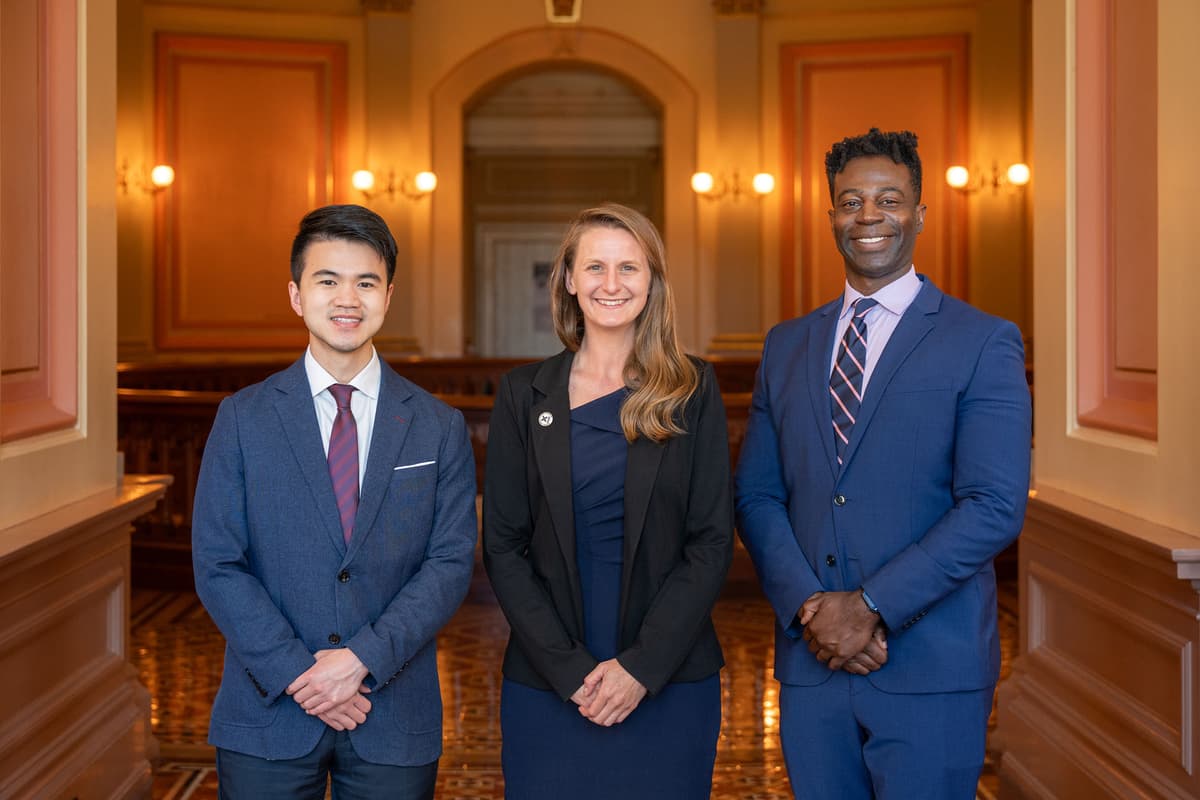
California deploys independent AI expertise inside government
California has placed two AI safety specialists directly inside state agencies to help officials evaluate risks from advanced AI systems and implement new safety regulations, the California Council on Science and Technology announced.
The placements mark the launch of CCST's AI Science Residency Program, which embedded experts at the Governor's Office of Emergency Services and the California Department of Technology in June 2025. The advisors will operate independently while working alongside agency leadership to assess emerging threats, analyze safety incidents, and translate technical research into actionable policy.
Michael Chen joined Cal OES to focus on frontier AI safety and risk assessment, particularly around critical incidents, cyber defense, and risks from developers' internal AI deployment—including potential sabotage by autonomous AI agents and automated AI research and development. Chen previously worked at METR, a California nonprofit that evaluates autonomous AI capabilities and risks, where he advised major AI developers on frameworks for assessing catastrophic risks.
Justin Norman, who holds a PhD from UC Berkeley's School of Information, was placed at CDT to advise on how frontier AI developments affect definitions and thresholds in California's AI safety legislation. Norman brings more than 20 years of technical and executive experience, including roles as acting Portfolio Director for AI and machine learning at the Defense Innovation Unit and CTO at multiple technology companies.
Why it matters
As states race to regulate increasingly powerful AI systems, California's approach addresses a persistent challenge: government agencies often lack the specialized technical expertise needed to evaluate cutting-edge AI capabilities and risks. By embedding independent experts with direct experience assessing frontier models inside decision-making agencies, the program aims to bridge the gap between rapid AI development and evidence-based governance. The model could inform how other states structure their own AI oversight efforts.
Building on established science advisory programs
The AI residency initiative extends CCST's broader Science Residency Program, which draws on 17 years of experience placing PhD-level scientists in California's legislative and executive branches through its Science & Technology Policy Fellowship. More than 200 fellows have participated in that program. CCST modeled the residency structure after the White House Office of Science and Technology Policy's Science Advisor role.
Advisors are formally employed by CCST and placed in agencies through memorandums of understanding, a structure designed to maintain scientific independence while enabling full integration with agency teams.
"California is leading the nation on AI governance, in large part thanks to exceptional talent committed to AI safety and public service," said Julianne McCall, CCST's CEO. "Good policy relies on a deep partnership between governance officials and cutting-edge technical expertise."
Matthew Sage, Commander of the California Cybersecurity Integration Center at Cal OES, said the embedded advisor "will meaningfully strengthen our capacity to respond to the rapidly evolving frontier AI risk landscape."
The California Council on Science and Technology first reported these details.
This is an original analysis by the Omega editorial team. Source reporting: AI Watch.
Want systems like this working for your business?
Book a Call
