ByteDance's Doubao Chatbot Introduces Paid Tiers in China
The country's most popular AI assistant shifts from free-only to subscription model, testing whether users will pay for premium features.
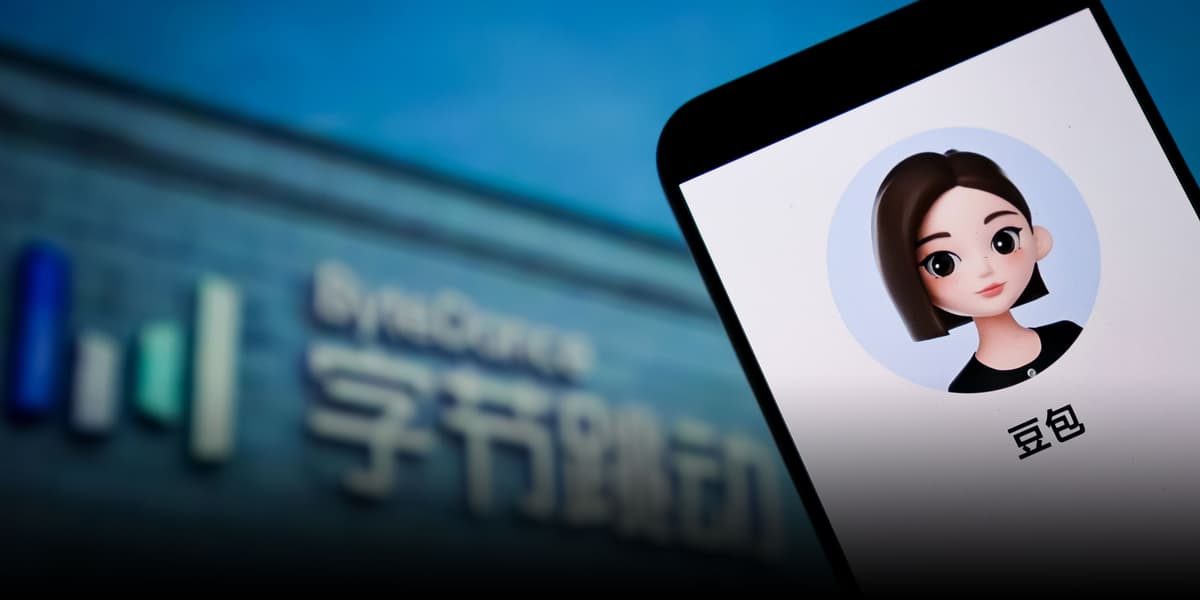
ByteDance has introduced subscription plans for Doubao, China's leading AI chatbot, marking a significant shift in how the country's artificial intelligence companies approach monetization. The paid tiers range from 688 to 5,088 yuan ($97 to $713) annually, with premium features expected to launch later this month.
The move has triggered intense debate among Doubao's substantial user base. As of March, the chatbot claimed 345 million monthly active users and more than 140 million daily active users, according to market research firm QuestMobile. Despite this dominance, the application generates less than 1 million yuan in daily revenue, primarily from e-commerce commissions.
User backlash and service concerns
The announcement has sparked widespread criticism on Chinese social media. A related discussion on Weibo drew 370 million views and 147,000 comments, with popular responses ranging from threats to uninstall the app to conditional acceptance if the service delivers genuine value.
Some users report experiencing degraded performance in recent weeks. Li Si, a 20-year-old college student, described the chatbot as "noticeably less reliable," citing memory issues and slower data processing. Her concerns reflect broader anxieties about whether free versions will be deliberately limited to push users toward paid subscriptions.
ByteDance stated in a June 3 WeChat post that core functions including search, writing, image generation, and voice and video chat will remain free. The company positioned its new Pro tier as targeting professionals with specialized tools for data analysis, software development, financial analysis, and scientific research.
Why it matters
Doubao's pricing strategy could establish a template for China's entire AI industry. If ByteDance successfully converts free users to paying subscribers, competitors including DeepSeek, Tencent, and Alibaba may follow suit. This transition raises questions about digital equity—whether advanced AI capabilities will become accessible only to those who can afford premium subscriptions, potentially widening existing socioeconomic gaps in access to productivity-enhancing technology.
Industry implications
Beijing-based Moonshot AI has already introduced paid tiers for its Kimi chatbot, though other major players have not yet launched comparable consumer subscription services. Industry observers suggest the shift reflects rising computing costs that make free-forever models unsustainable.
Zhang Shule, an industry analyst, characterized the transition as inevitable, noting that AI companies will likely adopt the "free basics, paid premium" model common across China's internet sector. Qi Tao, an associate professor of philosophy at Fudan University, warned that paywalled AI tools could create a two-tier system where wealthier users leverage AI for creative work while others are relegated to basic information tasks.
Younger users appear more accepting of the business model. He Xin, a Shanghai college student and former ByteDance intern, expressed understanding for the pricing strategy, arguing that companies need to recover research and development costs while maintaining functional free versions for basic needs.
These details were first reported by Sixth Tone.
This is an original analysis by the Omega editorial team. Source reporting: AI Watch.
Want systems like this working for your business?
Book a Call