Bondi Beach Shooting Survivor Targeted by AI-Generated Deepfakes
A royal commission heard how crisis actor conspiracy theories fueled by synthetic images spread while victim was in surgery.
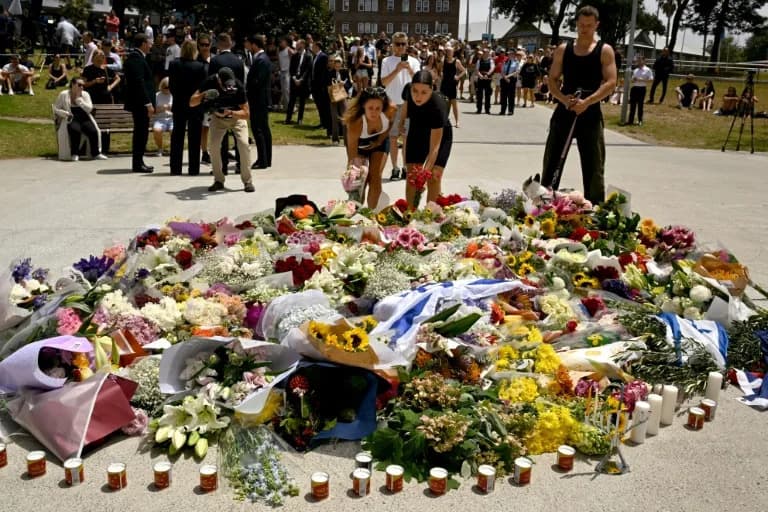
A survivor of Australia's deadliest mass shooting in decades testified that AI-generated deepfakes falsely depicting him as a "crisis actor" spread across social media platforms while he was being prepared for surgery to treat his wounds.
Arsen Ostrovsky, head of the Australia/Israel and Jewish Affairs Council in Sydney, told a federal royal commission Monday that a selfie he sent to a friend after the December 14 attack at Bondi Beach was quickly weaponized by conspiracy theorists. The image showed him lying on the ground with a bloodied head following the assault that killed 15 people.
How AI Amplified Conspiracy Theories
Within hours of the original photo circulating online, synthetic images began appearing that portrayed Ostrovsky's injuries as fabricated. One AI-generated image showed him laughing while a makeup artist applied fake blood to his face. Other deepfakes depicted him in a hospital bed with bandages removed or holding an Academy Award trophy.
Ostrovsky discovered the disinformation campaign two days after the shooting. "I was literally being prepped to go into surgery when I first found out online that was happening," he told the inquiry, according to testimony first reported by AI Watch.
The false images perpetuated the "crisis actor" conspiracy theory — a persistent narrative among conspiracy theorists who claim mass casualty events are staged with paid actors to advance political agendas. Multiple fact-checking organizations, including AFP's digital verification team, have since debunked the synthetic images, though many remain online.
Platform Response Varied Widely
Ostrovsky reported that Meta responded quickly to remove the false content from its platforms. However, he said he received no response from X or YouTube regarding similar material on those services.
"The cumulative nature of it is overwhelming... it tries to completely erase my experience and my trauma," Ostrovsky testified. He described the post-attack online environment as "a relentless tsunami of Jew hatred."
Why It Matters
The case illustrates how generative AI tools have lowered the barrier for creating convincing disinformation that can traumatize victims and undermine public understanding of real events. The speed at which synthetic media can be created and distributed — often faster than platforms can respond — poses new challenges for content moderation and victim protection. For technology companies, the testimony underscores growing pressure to develop more effective detection systems for AI-generated content used in harassment campaigns.
The royal commission — Australia's highest level of public inquiry — was established following the December 14 attack, in which father-son duo Sajid and Naveed Akram are accused of opening fire on Jewish families celebrating Hanukkah at the beach. Assisting counsel Richard Lancaster told the inquiry that "the online environment and social media platforms in particular are perhaps the most significant factor for the spread of antisemitism."
The commission will examine gaps in platform detection and removal of hateful content. Public hearings are scheduled to continue through July.
Details of Ostrovsky's testimony were first reported by AI Watch.
This is an original analysis by the Omega editorial team. Source reporting: AI Watch.
Want systems like this working for your business?
Book a Call
