Blind Runner Completes NYC Half Marathon Using AI Glasses
Thomas Panek relied on Meta's smart eyewear to navigate the 13.1-mile course, marking a breakthrough for assistive technology in sports and daily life.
Blind Runner Completes NYC Half Marathon Using AI Glasses
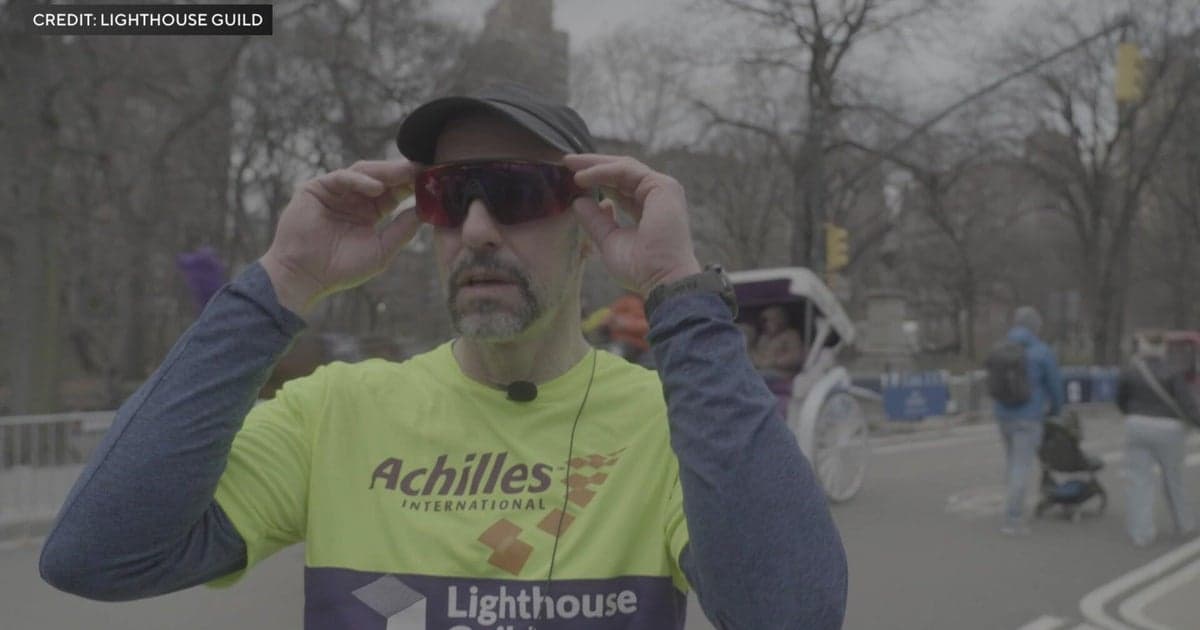
Thomas Panek, president and CEO of Lighthouse Guild, became the first blind runner to complete the New York City Half Marathon guided primarily by artificial intelligence. Panek wore customized Meta smart glasses that provided real-time audio descriptions of the course, allowing him to run with only a safety runner nearby rather than a human guide.
The AI-powered eyewear narrated water stops, turns, landmarks, and even details about spectators along the route. For Panek, who has long loved running but required constant human assistance, the technology represented a milestone in independence. He described the moment when the glasses identified watching crowds and their clothing as particularly emotional.
Why it matters
This demonstration shows how generative AI is moving assistive technology beyond basic text-to-speech functions into real-time environmental interpretation. For the estimated 8 million Americans with vision loss, these advances could reduce dependence on human guides or specialized infrastructure in activities ranging from athletics to everyday navigation. The shift also highlights a critical design principle: accessibility tools work best when developed with direct input from the communities they serve.
Expanding Access to AI Assistive Tools
Following his marathon achievement, Panek is now co-developing next-generation AI accessibility tools with Meta. He has also launched a program that provides free AI glasses and training to blind veterans. Panek emphasizes that effective assistive technology must be "developed by people who are blind, for people who are blind"—an approach he says represents a first in the field.
Michael Cush, chief program officer at Visions and a person born legally blind, uses multiple AI applications including Be My Eyes and Seeing AI alongside smart glasses to navigate New York City's crowded sidewalks. During a demonstration, his Meta glasses quickly identified a photographer and camera equipment when prompted with "Hey Meta, what's in front of me?"
Generative AI Enhances Existing Accessibility Tech
At Visions, Cush trains people with vision loss to use a range of accessibility tools, from electronic Braille and screen readers to AI-powered applications. While many of these technologies have existed for years, generative AI is significantly expanding their capabilities. The technology now moves beyond simple text reading to describe entire scenes, answer contextual questions, and help locate specific objects.
Users can ask AI to read mail, identify obstacles during walks, or describe their surroundings in detail. Cush stresses that AI is designed to complement rather than replace traditional mobility aids like canes or guide dogs. The goal, he says, is providing more choices and greater independence through additional layers of information that increase user confidence.
Both Lighthouse Guild and Visions offer year-round services including technology training for people who are blind or have low vision. These details were first reported by CBS News New York.
This is an original analysis by the Omega editorial team. Source reporting: AI Watch.
Want systems like this working for your business?
Book a Call