Bipartisan Bill Would Let AI Companies Coordinate Against China
New legislation creates antitrust exemption so U.S. firms can share threat intelligence and coordinate responses to alleged model theft.
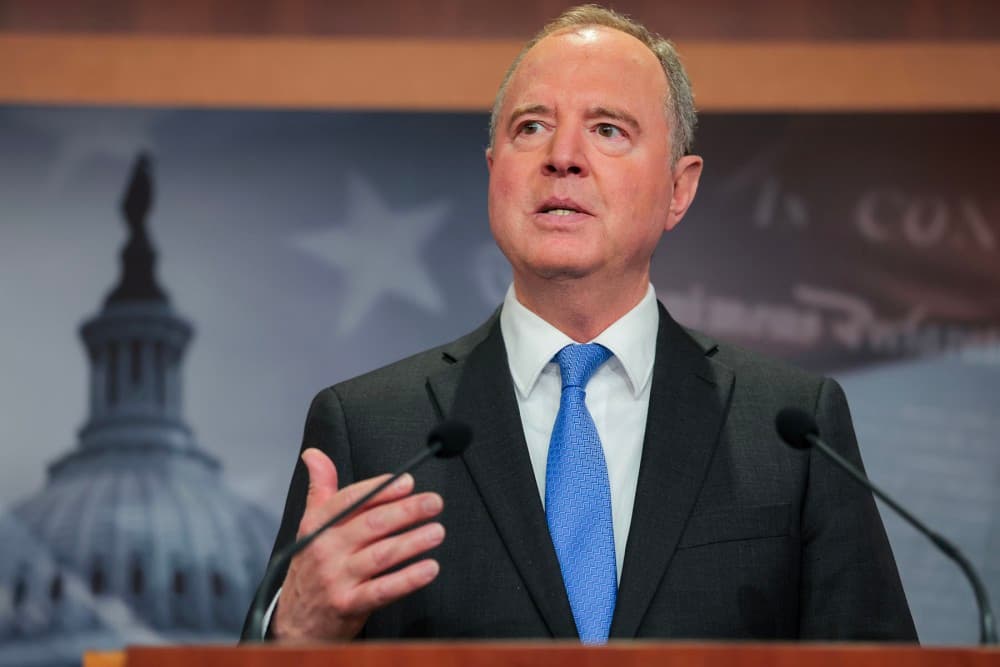
A bipartisan group of U.S. lawmakers introduced legislation Thursday that would allow American artificial intelligence companies to coordinate their response to Chinese competitors accused of copying their technology, creating a rare exemption to federal antitrust law.
The Collaboration on Adversarial Threats and Security Risks Act treats Chinese AI development as a national security threat and would permit companies like OpenAI, Anthropic, and Google to share information and coordinate defensive measures without violating laws that typically prohibit such industry coordination.
The bill's sponsors—Sens. Adam Schiff (D-Calif.) and Jim Banks (R-Ind.), along with Reps. Bob Latta (R-Ohio) and George Whitesides (D-Calif.)—said the measure includes strict guardrails to prevent abuse while enabling companies to respond to security risks.
Why it matters
The legislation reflects growing alarm in Washington over rapid advances in Chinese AI capabilities. Several Chinese companies, including Moonshot and Z.ai, recently released systems that appear to match leading American models—a development that has prompted threats of sanctions from Treasury Secretary Scott Bessent and accusations of intellectual property theft from White House technology officials. The bill would formalize cooperation that major AI labs say they need to combat what the industry calls "distillation," where competitors submit millions of queries to advanced models to create cheaper knockoffs.
How the exemption would work
Under the proposed legislation, AI companies and industry groups could share information related to security risks and coordinate responses, including delaying or limiting deployment of high-risk models. All coordination would require written notice and must be conducted in good faith exclusively for preventing, investigating, or mitigating AI security risks.
The attorney general would retain authority to seek injunctions against organizations that abuse the exemption. Congress has created similar carve-outs before, including a 2015 exception for cybersecurity information-sharing and a 2020 exemption that allowed vaccine makers to coordinate during the COVID-19 pandemic.
Industry divided on distillation
The value and legality of distillation techniques remain hotly contested within the technology sector. Venture capitalist Nic Carter argued this week that American businesses and consumers benefit from lower-cost Chinese models, while another investor, Bill Gurley, suggested AI firms should pursue lawsuits rather than lobbying for government intervention.
Hugging Face CEO Clement Delangue defended distillation in April as "a super common practice" that should be covered by fair use, particularly when resulting models are open-source. Even major U.S. companies use the technique—Google offers a distillation service for enterprise customers, and Elon Musk testified that his researchers used distillation on OpenAI models to train his Grok chatbot.
China has rejected allegations of theft. Liu Chang, a spokesperson for the Chinese Embassy in Washington, said Wednesday that "China has consistently attached great importance to the protection of intellectual property" and called U.S. accusations an "unfounded smear."
Rep. Latta framed AI models as critical infrastructure comparable to the electric grid, saying adversaries "are constantly looking for new ways to target our critical infrastructure, and we must make sure we are prepared to respond."
These details were first reported by NBC News.
This is an original analysis by the Omega editorial team. Source reporting: AI Watch.
Want systems like this working for your business?
Book a Call
