Bill Gates Proposes 'Human Reserved' Jobs to Limit AI Displacement
Microsoft co-founder warns governments unprepared for technology's impact in first major AI essay in three years.
Gates Advocates Job Protection Framework
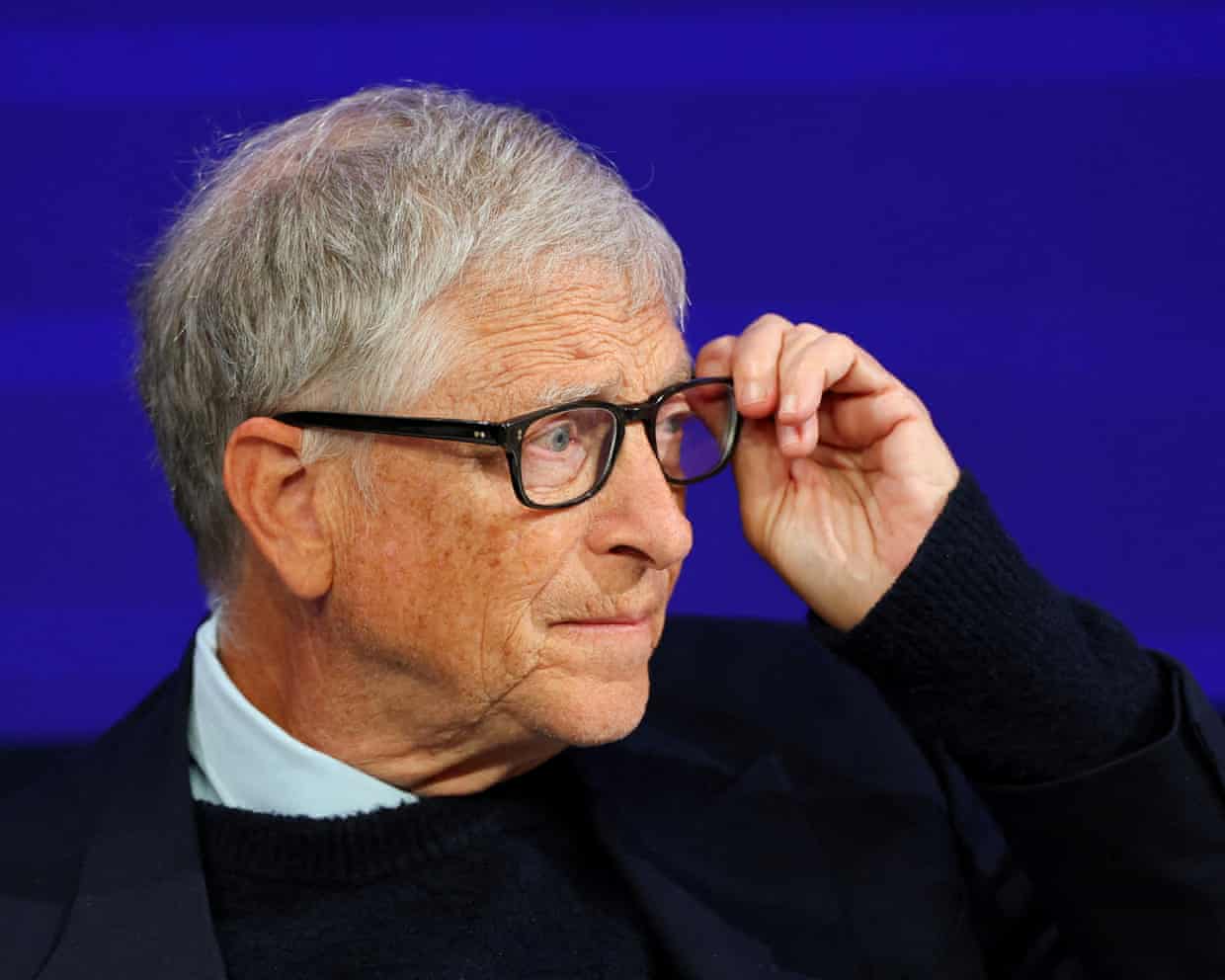
Bill Gates has proposed creating "human reserved" categories for certain professions to shield them from AI replacement, drawing an explicit parallel to how nature reserves protect ecosystems from development. The Microsoft co-founder made the case in a 6,000-word essay examining AI's societal impact, his first extensive public writing on the technology in three years.
"Many jobs will disappear forever," Gates acknowledged in the essay titled "The turbulent AI era is here. The choices we make are critical." He argued that society should deliberately set aside roles that require irreplaceable human qualities, much as environmental reserves preserve land that could otherwise be developed.
Gates pointed to healthcare as a prime example, citing the professionals who cared for his father during his battle with Alzheimer's disease. "Something in the care they gave my dad was irreplaceably human, no robot could or should have done it," he wrote. He specifically highlighted scenarios like delivering terminal diagnoses, noting that while technically feasible for AI, such tasks fundamentally should remain human responsibilities.
Why it matters
Gates's intervention carries weight beyond typical AI commentary — he's calling for proactive policy frameworks before displacement accelerates, not reactive measures afterward. His comparison to post-9/11 government reorganization signals the scale of institutional change he believes necessary, affecting everything from taxation to public health systems. For business leaders, this represents a prominent voice advocating for boundaries around automation rather than unrestricted deployment.
Governments Unprepared for Scale of Change
The essay warns that existing institutions lack readiness for AI's sweeping effects across society. Gates compared the required response to the massive U.S. government reorganization following the September 11 attacks, but argued AI demands far more extensive changes.
"AI will require much, much more," he wrote, listing affected domains including employment, education, taxation, energy, elections, public health, financial systems, law enforcement, and transportation. "It is fair to wonder whether the world's institutions are up to the task of designing and implementing this new architecture."
Gates indicated his staff are arranging a November meeting with Chinese President Xi Jinping to discuss global AI risk mitigation. He stated that international cooperation between the U.S. and China will be necessary, despite geopolitical tensions.
Education Concerns
The billionaire also flagged potential negative effects on learning and critical thinking. "Ironically, the same tool that will allow people to learn more than ever could also lead to many people learning less," Gates wrote, citing preliminary research suggesting heavier AI use correlates with reduced critical thinking skills, particularly among younger users.
The essay represents Gates's first major public statement since an external review found approximately 30 meetings occurred between Jeffrey Epstein and Gates Foundation leaders, including Gates himself, between 2011 and 2014. Gates, who has not been accused of involvement in Epstein's crimes, chairs the $89 billion charitable foundation.
These details were first reported by The Guardian.
This is an original analysis by the Omega editorial team. Source reporting: AI Watch.
Want systems like this working for your business?
Book a Call
