Big Tech's Private Power Plants Raise Grid Oversight Concerns
Bipartisan pushback against data center energy demands leads to self-supply plans that could bypass utility regulations.
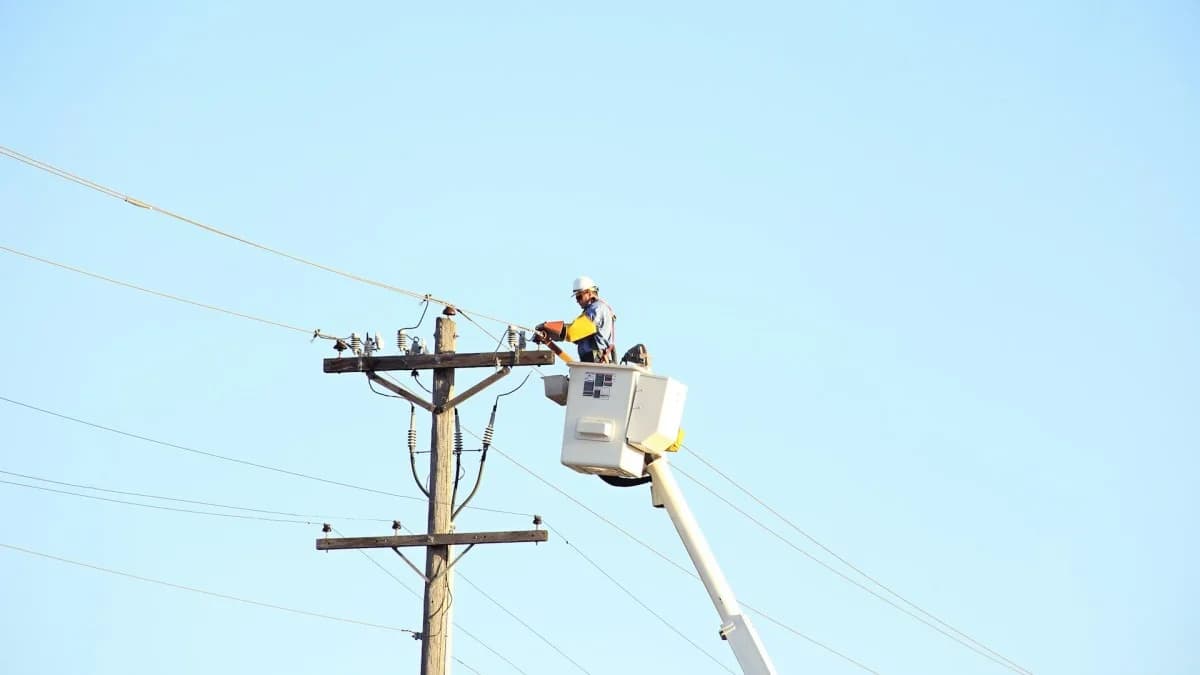
Lawmakers Unite Against Data Center Energy Burden
A rare bipartisan consensus has emerged in Washington: data centers are straining local electricity grids and driving up costs for consumers who see no direct benefit from the AI boom. Both Democratic and Republican representatives are challenging hyperscalers building massive data center campuses that spike regional energy demand and push electricity prices higher for all ratepayers.
The Trump administration's response directs tech companies to develop their own energy sources rather than lean on existing utility infrastructure. While this approach aims to shift buildout costs back to the firms creating unprecedented demand, energy policy experts warn the solution may create problems of its own.
The Shadow Grid Problem
By inviting Big Tech to construct proprietary energy infrastructure, policymakers risk enabling a parallel power system that operates outside the regulatory framework governing traditional electricity grids, according to Semafor's energy editor. This "shadow grid" would lack the oversight mechanisms that enforce environmental protections and other policy requirements applied to conventional utilities.
The self-supply approach also represents a missed opportunity for grid modernization. Grid expert Brandon Owens, founder of advisory platform AIxEnergy, told Politico that "most of today's cost pressure is coming from transmission, distribution, and system readiness, not energy supply." Even when data centers generate their own power, these systemic costs persist—but the capital that could address aging infrastructure instead flows into private generation projects.
Why it matters
This policy shift could fundamentally reshape how America's electricity system evolves. If tech giants build generation capacity outside utility oversight, the nation loses leverage to direct private investment toward transmission upgrades and grid resilience improvements that benefit all users. The approach also raises questions about environmental accountability when major industrial energy consumers operate outside the regulatory perimeter that applies to traditional power providers.
Fossil Fuel Expansion Accelerates
Despite these concerns, major tech companies are moving forward with substantial energy projects. Amazon is constructing a gas-fired power plant in Texas projected to become the single largest source of power-related emissions in the United States. This week, Nvidia announced a partnership with Japan's SoftBank and the U.S. government to build the country's largest fossil-fuel plant, which will power an OpenAI project in Ohio.
These developments underscore the scale of energy infrastructure tech companies are willing to finance—and the carbon intensity of their chosen solutions. The projects also highlight how self-supply policies may accelerate fossil fuel buildout at a time when grid-connected renewables face interconnection delays and regulatory hurdles.
These details were first reported by AI Watch.
This is an original analysis by the Omega editorial team. Source reporting: AI Watch.
Want systems like this working for your business?
Book a Call
