Beverage Giant Expands Yard Automation to 200+ Sites After Pilot
YardFlow's digitized driver workflow helped one shipper move 5% more freight with existing staff, prompting a full network rollout.
From Paper to Profit: Yard Automation Scales Across Major Shipper Network
A major beverage company is rolling out yard automation software across its entire 200+ facility network after a 26-site pilot demonstrated measurable operational gains. The shipper moved nearly 5% more freight with the same headcount, translating to tens of millions of dollars in incremental profit, according to YardFlow founder Jake Koppinger.
The expansion follows YardFlow's processing of close to 2 million shipments across the initial deployment, which achieved 99.9% uptime. The customer is now pushing the system into its smallest facilities to achieve standardization across the entire network.
Why it matters
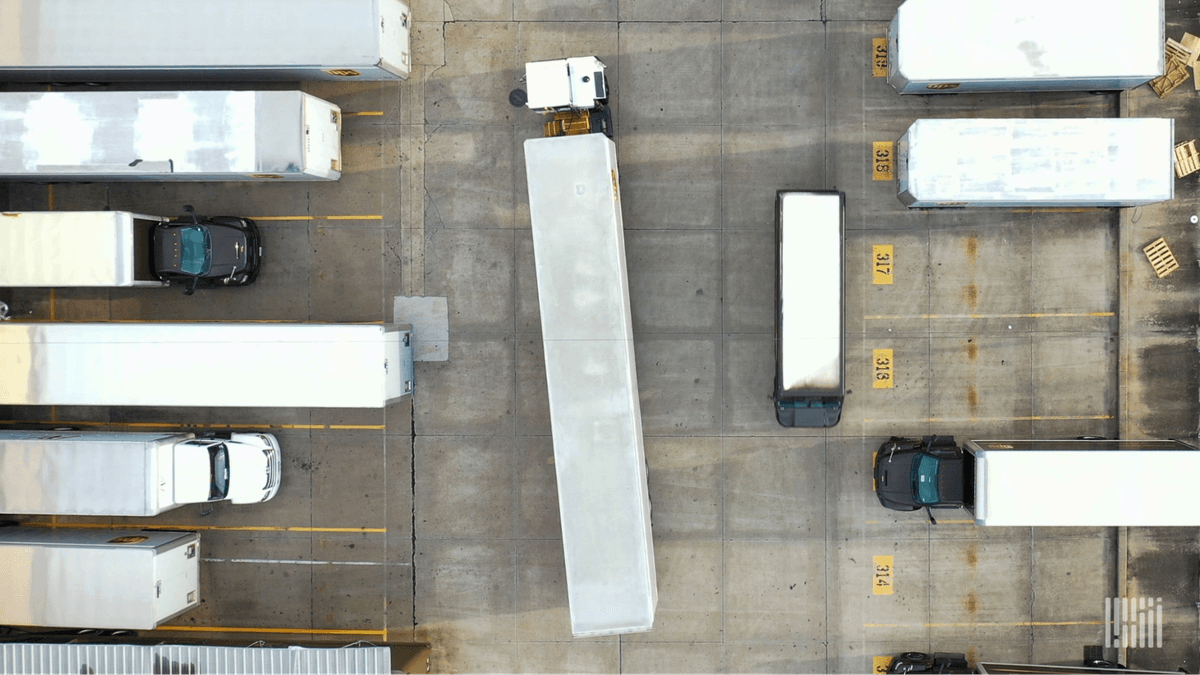
Yard operations remain one of freight's most stubborn analog bottlenecks, where drivers wait in lines while dock coordinators juggle paper bills of lading, printer maintenance, and forklift dispatch. When a single facility can generate hundreds of millions in revenue, inefficiencies compound quickly. This deployment demonstrates that digitizing the driver journey — not deploying robots first — can unlock immediate throughput gains without capital-intensive automation.
The Paper Problem That Costs Six Figures
The issue YardFlow addresses begins at the window where drivers hand over bills of lading. Dock coordinators print multiple copies, collate them, pass them through glass, collect signatures, and file the shipper's copy in boxes stored for seven years to meet legal requirements.
That paper trail becomes a cash problem roughly 60 days later. When a shipper invoices a retailer for 24 pallets but the retailer claims 23 arrived, the dispute surfaces inside a lump-sum payment. Resolving a $100,000 discrepancy in a $1.3 million batch of invoices requires someone to dig through archived boxes to find a two-month-old signature — the same person managing yard spotters, forklift drivers, and equipment maintenance.
Meanwhile, drivers waiting in that line accrue detention charges and risk on-time, in-full penalties.
Digitizing the Driver Journey First
YardFlow's core product digitizes the path from gate check-in through dock assignment to signed documentation. Critically, drivers need no app download, and QR code check-in remains optional — a design choice driven by connectivity constraints and operational reality.
The system standardizes what Koppinger identifies as the common denominator across all yards: drivers arrive, check in, move to a location, sign documentation, and leave. While individual warehouses operate with significant autonomy and tribal knowledge accumulated over decades, that basic workflow remains constant.
Machine Vision as the Second Layer
After deploying the driver journey system, the customer requested a yard management system. YardFlow built one that extends standardization to yard spotters and trailer inventory, using machine vision mounted at gates and on spotters themselves.
The cameras validate that spotters actually moved trailers from one location to another as instructed, creating what Koppinger describes as a digital twin of the yard. Gate cameras read arriving and departing trucks, validating carrier identity against DOT and MC numbers — a direct counter to cargo theft and identity fraud.
Deployment Speed as Competitive Advantage
The driver journey and yard management systems deploy remotely in 30 minutes. Machine vision requires on-site hardware installation and takes longer, but the sequencing is deliberate. Koppinger contrasts this with yard modernization projects that take years to optimize a single facility and struggle to scale.
The ultimate goal is a yard that can dispatch autonomous equipment as easily as human operators. But that future requires solving the paperwork problem first. As Koppinger notes, autonomous trucks won't accept paper bills of lading, and facilities will likely run mixed fleets of human and autonomous spotters for the next 15 years.
FreightWaves first reported the details of the deployment and expansion.
This is an original analysis by the Omega editorial team. Source reporting: Automation Watch.
Want systems like this working for your business?
Book a Call