Berkshire Bets on Power Grid as Next AI Infrastructure Bottleneck
New CEO Greg Abel reveals the conglomerate's strategy to profit from data center electricity demand while protecting existing utility customers.
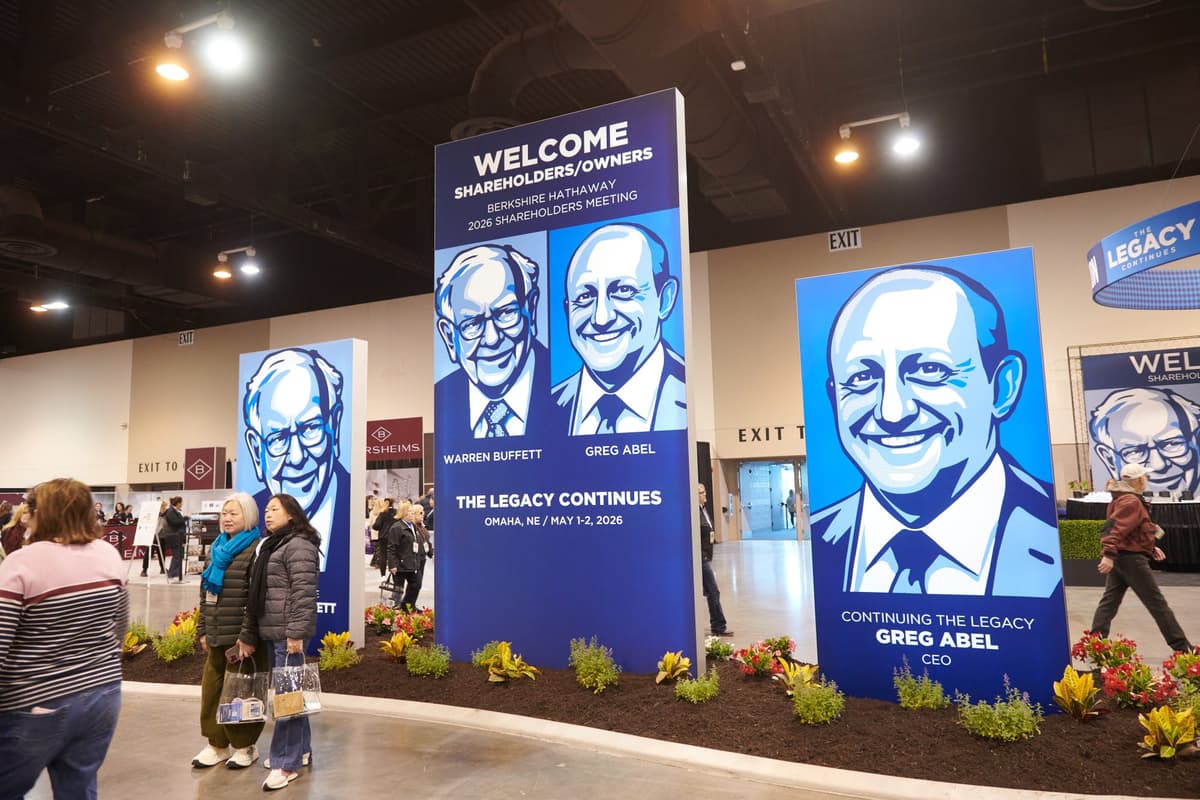
Berkshire Hathaway's new chief executive is steering the investment giant toward artificial intelligence infrastructure, but not in the way most tech investors might expect.
In his first major public interview since becoming CEO in early 2026, Greg Abel told CNBC that Berkshire views electrical power capacity as the critical constraint that will shape AI's next phase of growth. While much of the market remains fixated on semiconductor shortages, Berkshire is positioning its utility subsidiaries to supply the massive amounts of electricity that data centers require.
The strategy reflects Berkshire's preference for operating businesses over financial speculation. The company owns utilities serving Iowa, Nevada, and much of the western United States through Berkshire Hathaway Energy. Abel noted that data centers already account for roughly 8% of power demand at the firm's Iowa utility, with significant room for expansion as hyperscale cloud providers race to build computing capacity.
Why it matters
The AI buildout has consumed enormous capital and attention focused on chips, software, and computing hardware. Berkshire's focus on electrical infrastructure highlights a less glamorous but potentially decisive factor: whether utilities can generate and deliver enough power to fuel AI data centers without triggering rate increases or community opposition. This constraint could determine which regions and companies win the next phase of AI expansion.
The Alphabet position and AI adoption
Abel confirmed that Berkshire began accumulating its approximately $38 billion stake in Alphabet last year specifically as an AI investment. According to Abel, Google's parent company came onto Berkshire's radar after AI tools began delivering tangible benefits to Berkshire's own operating businesses, as first reported by Business Insider.
The disclosure marks a notable shift for a firm long associated with traditional industries and value investing under Warren Buffett's decades-long leadership.
The customer protection caveat
Berkshire's utility strategy comes with a significant condition. Abel stated the company will only supply power to new data centers if doing so avoids raising costs for existing residential and commercial customers.
This stance acknowledges the political and regulatory reality utilities face. Even when companies can generate sufficient electricity, they must navigate approval from regulators and communities who may resist subsidizing AI infrastructure through their own power bills. Abel's comments suggest this dynamic could limit how quickly utilities convert data center demand into profits.
Beyond AI: housing and economic headwinds
Abel also addressed broader economic conditions, noting that consumers remain pressured by inflation and elevated mortgage rates. He described the housing market as facing a "bumpy road" with no rapid recovery expected.
Despite this outlook, Berkshire recently acquired homebuilder Taylor Morrison. Abel characterized the purchase as a long-term play, expecting the company to become a "very strong asset" over five to ten years as Americans continue pursuing homeownership even when affordability remains constrained.
Berkshire shares have underperformed the S&P 500 by more than 10 percentage points in 2026 as the market's AI rally has favored technology stocks over the conglomerate's cash-heavy, diversified portfolio.
These details were first reported by Business Insider based on Abel's CNBC interview.
This is an original analysis by the Omega editorial team. Source reporting: AI Watch.
Want systems like this working for your business?
Book a Call