Beijing Shifts AI Safety Focus to Hacking Threats, National Security
China's spy chief warns advanced models pose security risks as researchers demonstrate WeChat vulnerability through AI-powered cyberattack tools.
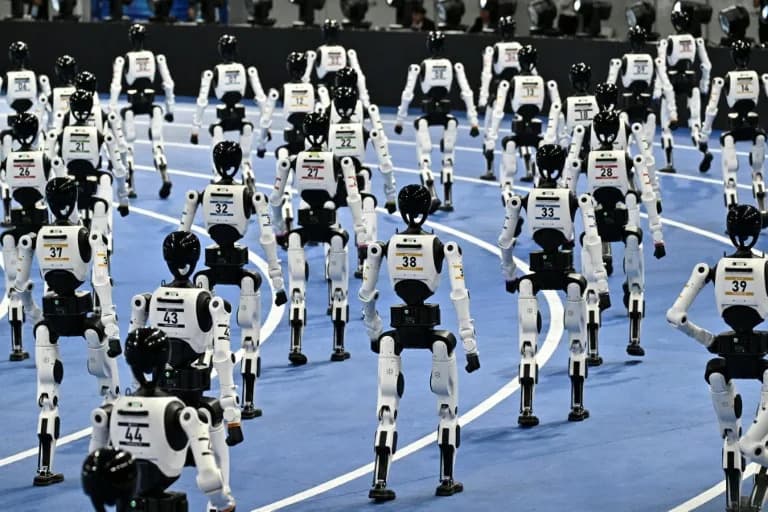
China's approach to artificial intelligence safety is undergoing a significant shift. While American researchers debate existential risks from superintelligence, Chinese policymakers have historically concentrated on tangible harms like deepfakes and child protection. That calculus is changing as advanced AI models demonstrate alarming capabilities in cybersecurity attacks.
The country's spy agency chief issued a warning this week that AI technology could threaten national security, according to a report by AI Watch. The concern gained urgency after a California-based programming team revealed they had built an AI-powered cyberattack "worm" capable of compromising millions of accounts on WeChat, China's ubiquitous messaging and payments platform.
Why it matters
The convergence of U.S. and Chinese concerns over AI security risks creates potential common ground for cooperation between rival superpowers, even as both nations compete fiercely for technological dominance. How Beijing and Washington navigate this tension will shape global AI governance frameworks and determine whether shared safety standards emerge or fracture along geopolitical lines.
Different philosophies, converging threats
"There are more similarities than differences when it comes to AI safety issues" between the two countries, Kevin Xu, founder of technology hedge fund Interconnected Capital, told the news service. The key distinction lies in how these concerns surface: Chinese debates over AI risks rarely become public controversies, unlike their American counterparts.
Brian Tse, CEO of Beijing-based consultancy Concordia AI, characterized the philosophical divide: "Beijing treats AI as a general-purpose technology — not a 'god-in-a-box.'" Chinese regulators view AI more like electricity or automobiles: transformative technologies requiring management through regulation rather than sources of existential dread.
That pragmatic stance hasn't prevented China from acting. The country already prohibits creating AI-generated avatars resembling real people without consent, among other restrictions targeting present-day harms.
Security vulnerabilities drive urgency
The cybersecurity dimension now commands attention at the highest levels. Jia Zijian, founder of Singapore-based Inspired AI, highlighted password cracking as a critical vulnerability: "Suppose these critical passwords or national security key codes were to be effortlessly cracked... both China and the US would find themselves vulnerable."
Xu noted that AI agent bots operating without human oversight "would rank very high among the Chinese government's biggest concerns," even if these worries don't generate the same public discourse as in America.
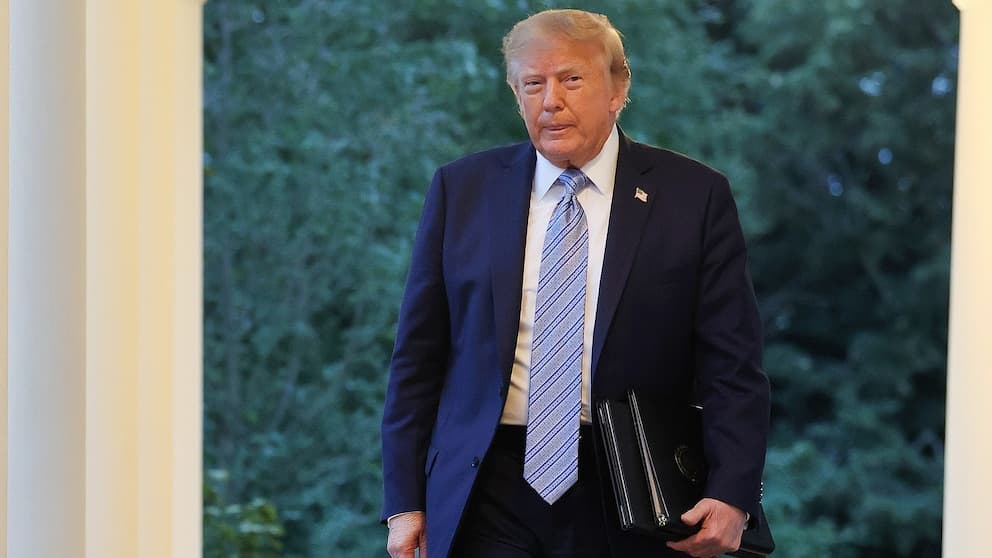
President Xi Jinping and U.S. President Donald Trump face pressure to address shared AI threats during scheduled talks, though cooperation faces obstacles. Trump stated bluntly: "We're leading China in AI... and frankly I want to keep it that way." Meanwhile, Sun Chenghao of Tsinghua University's Center for International Security and Strategy observed that "China is concerned that 'security' may be used as a tool to restrict its technological development."
Public sentiment supports regulation
On Shanghai streets, residents expressed measured views. A pharmaceutical worker who identified herself as Jenny drew a traffic analogy: "I believe that no business... would ever impose restrictions on themselves. Take traffic as an example: drivers would never say, 'I want all red lights.'"
Another resident, Xie Zongbo, saw the WeChat vulnerability disclosure as constructive: "Identifying the issue, solving it, and patching the loophole ultimately benefits the advancement of cybersecurity."
These details were first reported by AI Watch.
This is an original analysis by the Omega editorial team. Source reporting: AI Watch.
Want systems like this working for your business?
Book a Call