Australian MP Warns AI Could Erode National Sovereignty
Shadow minister Andrew Hastie compares artificial intelligence development to the nuclear arms race and calls for major investment to avoid dependence on superpowers.
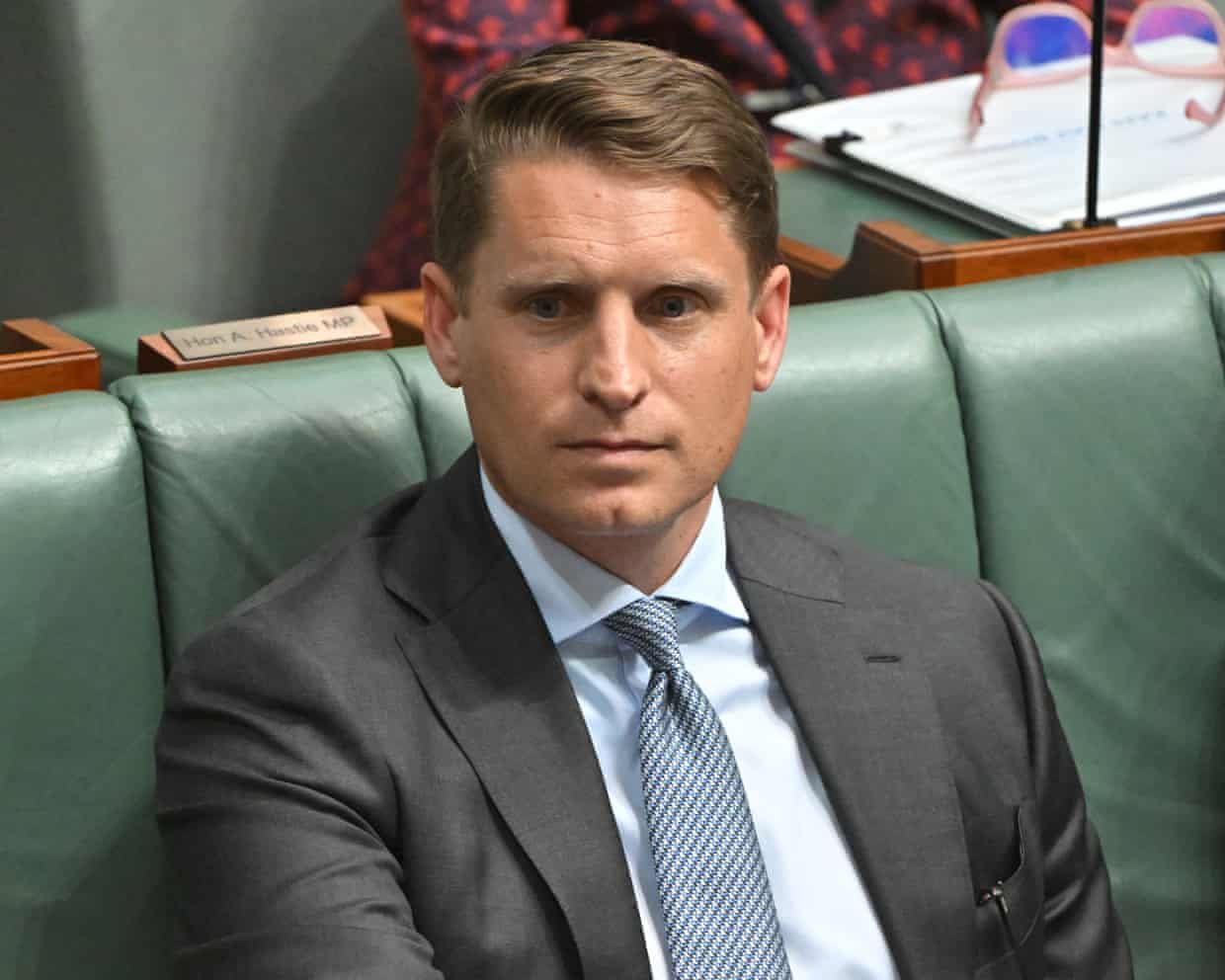
Australia faces strategic AI crossroads
Australia must dramatically increase investment in artificial intelligence or risk losing strategic independence to AI superpowers, according to Liberal shadow minister Andrew Hastie. Speaking at the annual Tom Hughes Oration in Sydney, Hastie drew parallels between today's AI competition and the Cold War nuclear arms race, warning that insufficient investment could leave Australia as "a supplicant state" dependent on the United States.
The shadow minister for industry and sovereign capability told Liberal members that Australia's failure to develop nuclear capability last century left the country under America's nuclear umbrella, constraining sovereignty and strategic independence. He argued the nation now faces a similar inflection point with artificial intelligence.
"This century, Australia risks missing the opportunity to become an AI power," Hastie said, according to reporting first published by The Guardian. "And the risk is that our sovereignty and strategic independence will be further constrained by the AI superpowers reshaping the global order."
Why it matters
Hastie's intervention reflects growing recognition among Australian policymakers that AI development carries profound national security implications beyond economic competitiveness. As the United States and China compete for AI dominance—including control over semiconductor production in Taiwan—middle powers like Australia face difficult choices about technological dependence and strategic alignment. The speech also highlights internal debate within Australia's government about AI regulation, with the current industry minister favoring lighter oversight than his predecessor.
Caught between superpowers
The shadow minister outlined Australia's precarious position between its closest security partner, the United States, and its largest trading partner, China. Both nations are pursuing AI dominance, with major implications for semiconductor chip production concentrated in Taiwan.
Hastie warned that conflict over Taiwan would inevitably involve Australia "whether we like it or not," describing a potential hot war between the US and China over AI dominance and advanced chips as "infinitely worse than a hot war in the Middle East."
He noted that Silicon Valley technology executives now wield significant influence within the Trump administration while resisting new regulation, further complicating Australia's strategic calculations.
Domestic implications and policy proposals
Beyond geopolitics, Hastie warned of massive economic disruption as AI automation replaces both blue-collar and white-collar jobs. He predicted social upheaval if AI "potentially starves people of work" and strips away the meaning that comes from productive employment.
To address these challenges, the shadow minister called for appointing a new AI ambassador and overhauling the education system to "unleash Australian hearts and minds on AI." He warned that declining educational standards over 25 years have left students, particularly from disadvantaged families, poorly prepared for an AI-driven economy.
Hastie proposed positioning Australia as a technology hub in the southern hemisphere, though he did not detail specific investment levels or timelines.
Political context
The speech comes as Australia's federal government weighs its approach to AI regulation. Former industry minister Ed Husic had advocated for stronger guardrails and consideration of a major AI act before being removed from cabinet in 2025. His successor, Tim Ayres, favors lighter regulation.
Hastie, considered a potential future Liberal leader, delivered the address amid dire polling for the opposition Coalition, which registered a record low 20% primary vote in a recent Resolve poll—behind both Labor at 28% and One Nation at 29%.
Details of Hastie's speech were first reported by The Guardian.
This is an original analysis by the Omega editorial team. Source reporting: AI Watch.
Want systems like this working for your business?
Book a Call