Australia Weighs Copyright Exemptions to Attract AI Investment
Prime Minister Anthony Albanese faces internal Labor divisions over whether to soften protections for creatives in pursuit of datacenter deals.
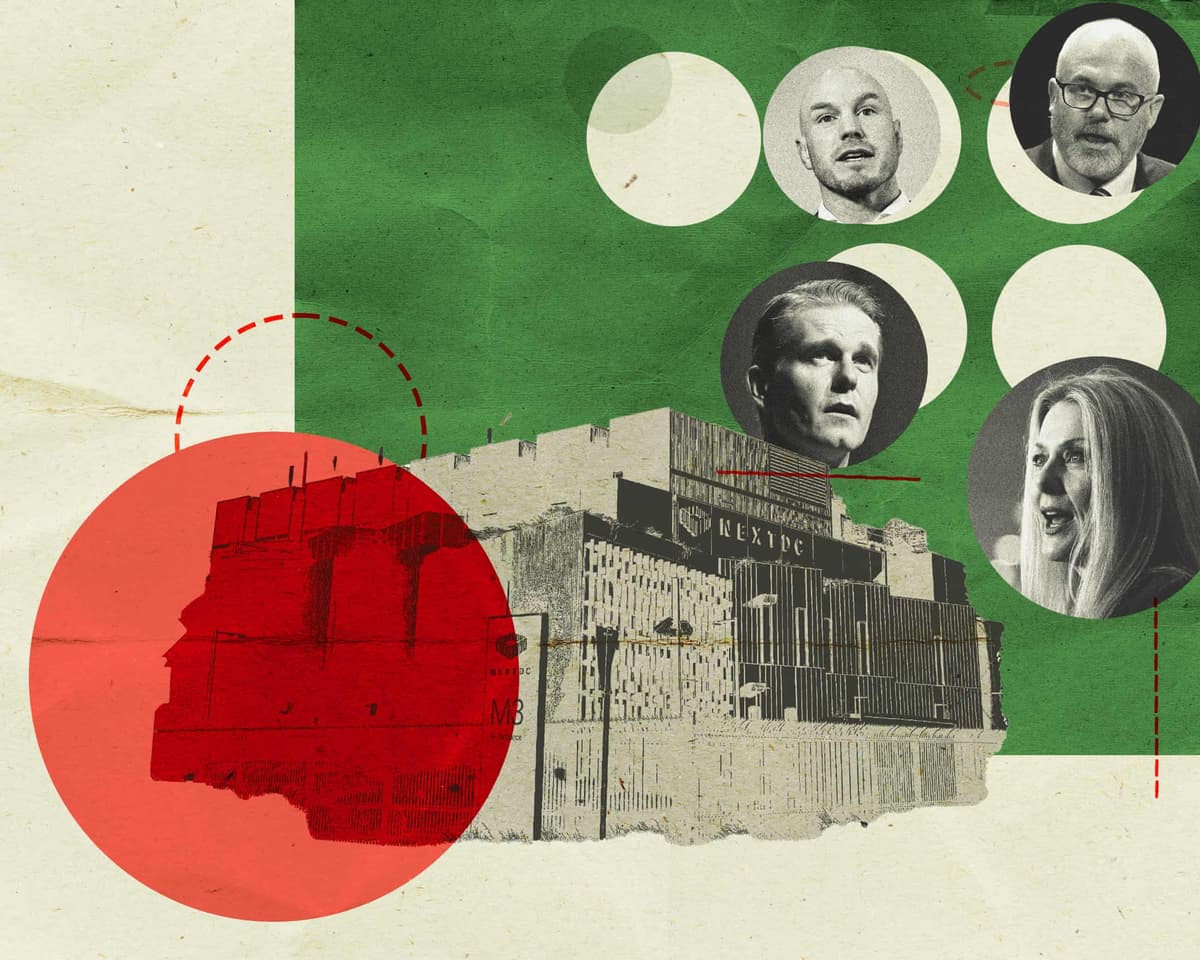
Government Split on AI Copyright Strategy
Australia's government is navigating a contentious debate over whether to modify copyright protections to attract artificial intelligence investment, with Prime Minister Anthony Albanese set to address the nation's AI strategy this week.
The controversy centers on whether Australia should grant AI companies exemptions to mine copyrighted content for training large language models. Last year, the government ruled out such exemptions after fierce opposition from authors, artists, and media organizations. But renewed lobbying from technology companies has reignited concerns that position may shift.
According to The Guardian, which first reported these details, senior Labor ministers are divided on the path forward. Industry Minister Tim Ayres and Assistant Minister for the Digital Economy Andrew Charlton favor measures to attract AI investment, while Attorney General Michelle Rowland and Arts Minister Tony Burke prioritize protecting creative workers' rights.
The Datacenter Investment Pitch
In late June, independent Senator David Pocock's office received information about an industry proposal offering at least $50 billion in datacenter investment in exchange for copyright carve-outs, plus contributions to a fund for creatives worth approximately $350 million annually. Pocock characterized this as the "ultimate dirty deal" and called on Labor to reject it outright.
The Australian Financial Review subsequently reported that Anthropic, maker of the Claude AI assistant, was pursuing a similar arrangement as part of plans to establish Australia as its second home outside the United States. Anthropic CEO Dario Amodei signed a memorandum of understanding with the federal government in April.
The government has denied plans to weaken copyright laws, though sources told The Guardian that frontier AI companies view copyright protections as a "main barrier" to investment in model training operations.
Why It Matters
This debate represents a critical test case for how democracies balance economic opportunity against intellectual property rights in the AI era. Australia's decision could influence how other nations approach similar tradeoffs, particularly as countries compete globally for AI infrastructure investment. The outcome will determine whether creative professionals retain control over how their work is used to train systems that may eventually compete with them.
Competing Visions Within Labor
Former Industry Minister Ed Husic, now on the backbench, argues Australia should resist pressure tactics from U.S. tech companies. "We have negotiating leverage here and the ability to set the terms," Husic said, comparing the situation to late-night infomercial pressure tactics.
Andrew Charlton, who is leading the government's AI planning efforts, has positioned himself as seeking middle ground. In a June speech, he argued Australia should "actively set the terms on which that investment occurs, consistent with our values and aligned with our long-term interests."
Author Anna Funder, speaking at Parliament House earlier this month, described herself as a "victim of crime" to illustrate how technology companies have appropriated literary works without compensation.
Albanese's Wednesday speech is expected to outline the government's regulatory vision but will likely stop short of concrete copyright policy announcements. Polling shows Australians remain divided on AI, with 36% viewing it as carrying more risk than opportunity.
These details were first reported by The Guardian.
This is an original analysis by the Omega editorial team. Source reporting: AI Watch.
Want systems like this working for your business?
Book a Call
