Australia Faces Tax Reckoning on AI Datacenters After Gas Mistake
Senator warns that multinational tech firms could exploit Australian resources for AI infrastructure while paying minimal tax, echoing the country's gas export failures.
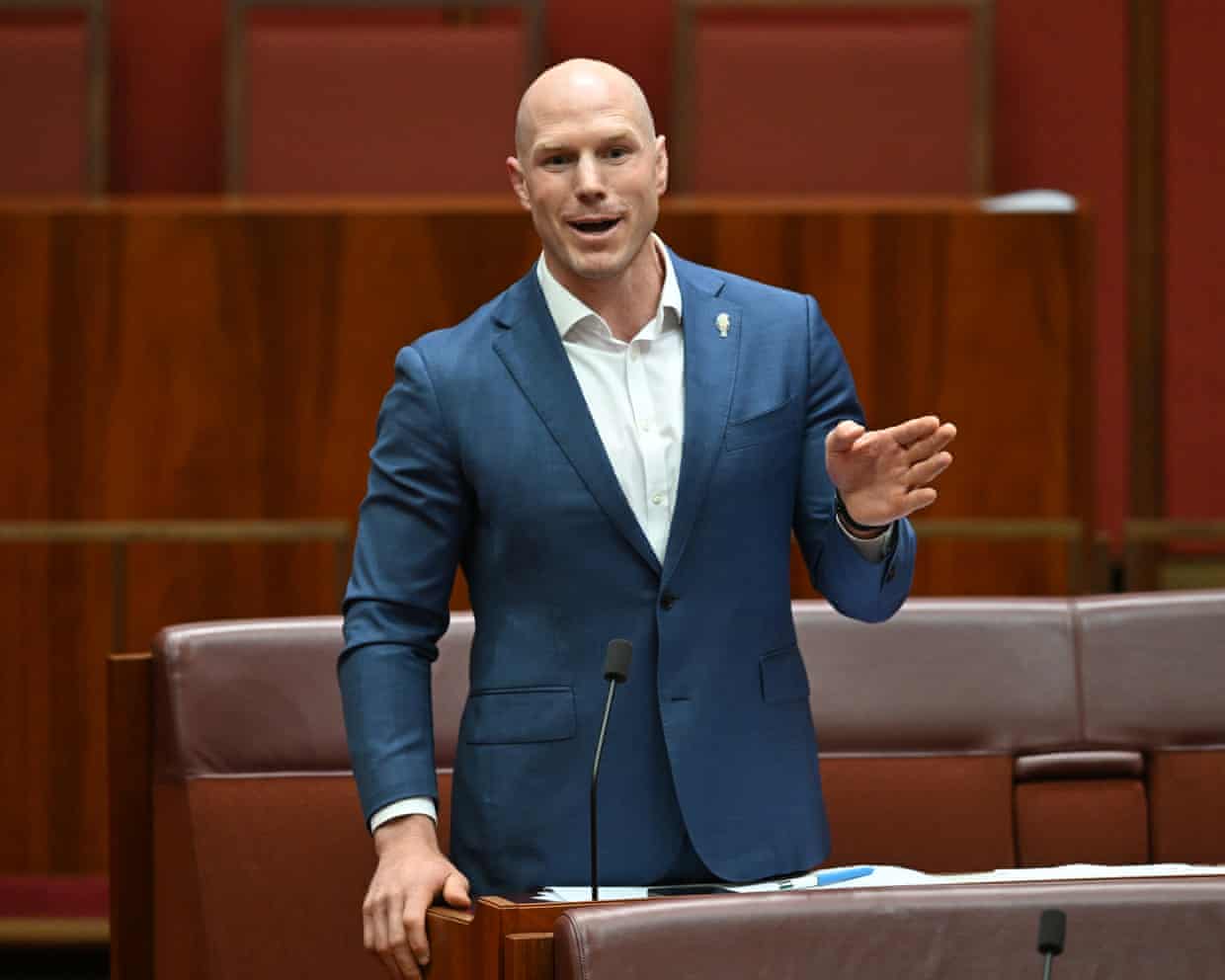
Australia risks repeating one of its costliest policy mistakes—this time with artificial intelligence infrastructure instead of natural gas exports. As major tech companies pour tens of billions into Australian datacenters, a prominent senator is sounding the alarm about inadequate taxation and resource management.
Senator David Pocock, an independent representing the Australian Capital Territory, has drawn a direct parallel between the country's handling of gas exports and the current AI datacenter boom. His warning, first reported by The Guardian, comes as Microsoft commits $25 billion and Amazon Web Services pledges $20 billion to Australian datacenter projects.
The Gas Export Precedent
Australia's gas industry provides a cautionary tale. Despite being one of the world's largest gas exporters, the country collects less in Petroleum Resource Rent Tax from multinational gas companies than Australians pay in beer excise. Meanwhile, Australian households and businesses pay international prices for domestically extracted gas—a resource that theoretically belongs to all citizens.
Thousands of Australians have recently campaigned for a 25% tax on gas exports, funding billboards and flooding MPs with emails. The public frustration stems from watching foreign-owned companies extract enormous value while minimizing their tax obligations, even as those same companies post record profits.
Datacenter Resource Demands
The scale of AI infrastructure's resource consumption is staggering. By 2030, Australian datacenters are projected to consume as much electricity as every household in Victoria combined. Water consumption is forecast to more than triple from current levels.
The Climate Council has warned that without significant new renewable generation and storage capacity, growing datacenter demand could push wholesale electricity prices more than 20% higher by 2035. Additional concerns include noise pollution and air quality impacts from backup diesel generation and gas-powered facilities.
Employment and Economic Questions
While datacenter construction creates temporary jobs, ongoing direct employment benefits remain minimal—a significant concern given AI's broader labor market impact. Jobs and Skills Australia commissioner Barney Glover has projected job losses exceeding 600,000 as AI adoption accelerates, with tens of thousands already displaced.
The government's response has centered on voluntary "national expectations" for AI datacenters, which Pocock characterizes as remarkably weak given the industry's economic, environmental, and social impacts.
Why it matters
This debate represents a critical juncture for resource-rich nations hosting AI infrastructure. If Australia fails to secure adequate taxation and resource compensation from tech companies now, it could lock in decades of wealth transfer offshore while communities bear environmental costs and employment disruption—precisely the outcome that has generated such public anger over gas exports.
The Guardian first reported Senator Pocock's commentary, which argues that if multinational tech companies will use Australian land, energy, water, and workers to build AI infrastructure, Australians deserve a fair return on those resources.
This is an original analysis by the Omega editorial team. Source reporting: AI Watch.
Want systems like this working for your business?
Book a Call
