Aurora, Colorado Weighs New Data Center Rules Amid AI Boom
City councilmember explores stricter regulations after residents raise concerns about power use, water consumption, and job displacement.
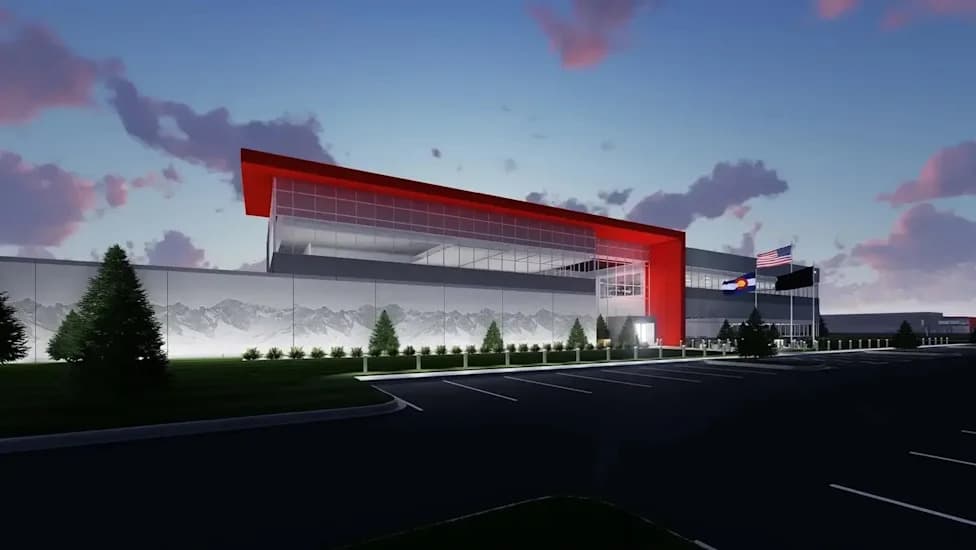
Aurora considers tighter data center oversight
Aurora, Colorado is emerging as a focal point in the national debate over data center expansion, with local officials now exploring whether existing regulations can adequately manage the infrastructure demands created by artificial intelligence growth.
Following a listening session that attracted approximately 80 residents and officials, City Councilmember Amy Wiles is examining whether Aurora needs additional data center regulations. Wiles indicated to Axios, which first reported these developments, that she expects the discussion to advance toward potential rule changes by summer's end.
The city's appeal to data center developers stems from available land and power access, according to CBRE Data Center Solutions. These factors have positioned Aurora within a broader Colorado conversation about managing the physical infrastructure that underpins cloud services, enterprise computing, and AI applications.
Residents voice infrastructure and employment concerns
At the recent meeting, residents raised multiple concerns beyond the physical footprint of server facilities. Paige Dayton, a 20-year-old Aurora resident, highlighted workforce displacement fears to Axios.
"People my age are out of work, or they're wondering how to break into industries where AI is taking over," Dayton said.
Environmental impacts also dominated resident feedback. Aurora Water general manager Marshall Brown reported that the city's nine existing data centers consume 0.3% of Aurora's total water supply. City manager Jason Batchelor noted that Aurora already restricts data center locations, while Brown stated that current standards effectively prevent facilities dependent on heavy evaporative cooling.
Why it matters
Data centers represent the physical backbone of AI deployment, but they create measurable local impacts. These facilities draw substantial electricity, strain power grids, require water for cooling systems, and generate industrial noise. The infrastructure trade-offs are becoming harder for communities to ignore as AI adoption accelerates across industries. Aurora's deliberations reflect a broader tension: cities want to participate in technology growth without shouldering disproportionate environmental and social costs.
Colorado cities pump the brakes
Aurora isn't alone in reassessing data center policy. Denver has imposed a one-year moratorium on new data center development, while Jefferson County approved a 10-month pause, according to Axios.
Wiles has begun researching regulatory approaches from other jurisdictions, including a recent tour of QTS' 65-acre campus in her district. She has cited Aurora, Illinois as one municipality that adopted more stringent standards.
"All of the things that are stored in the cloud — YouTube, TikTok, Facebook … that are out on the internet, they have to be stored in a data center somewhere," Wiles told residents, as reported by Axios.
City officials maintain that some protective measures already exist, but many residents want clearer answers before development accelerates further. Dayton framed the issue starkly: "If these [data centers] weren't being built, then AI couldn't expand."
These details were first reported by Axios.
This is an original analysis by the Omega editorial team. Source reporting: AI Watch.
Want systems like this working for your business?
Book a Call
