Atlassian Expands Usage-Based Pricing for AI Features in 2026
The company will meter Rovo credits, automation steps, and AI agent resolutions starting December 2026, with built-in allowances for paid cloud customers.
Atlassian is overhauling how it charges for artificial intelligence features across its product suite, introducing metered billing for AI interactions, automation workflows, and autonomous agent resolutions beginning December 3, 2026.
The shift reflects a broader industry trend as software vendors grapple with pricing models that better align with the variable costs of AI infrastructure while capturing value beyond traditional per-seat licensing.
Three new usage meters
Atlassian will track consumption across three primary categories. Rovo credits will measure deep AI interactions including Rovo Chat conversations, Confluence AI Slides generation, the Jira Coding Agent, and Teamwork Graph queries. Basic features like in-line summaries, rewrites, and Rovo Search will remain free.
Automation steps will count each execution component within workflow automations—triggers, conditions, actions, and branches. AI agent resolutions will bill based on outcomes where agents autonomously complete requests without human intervention.
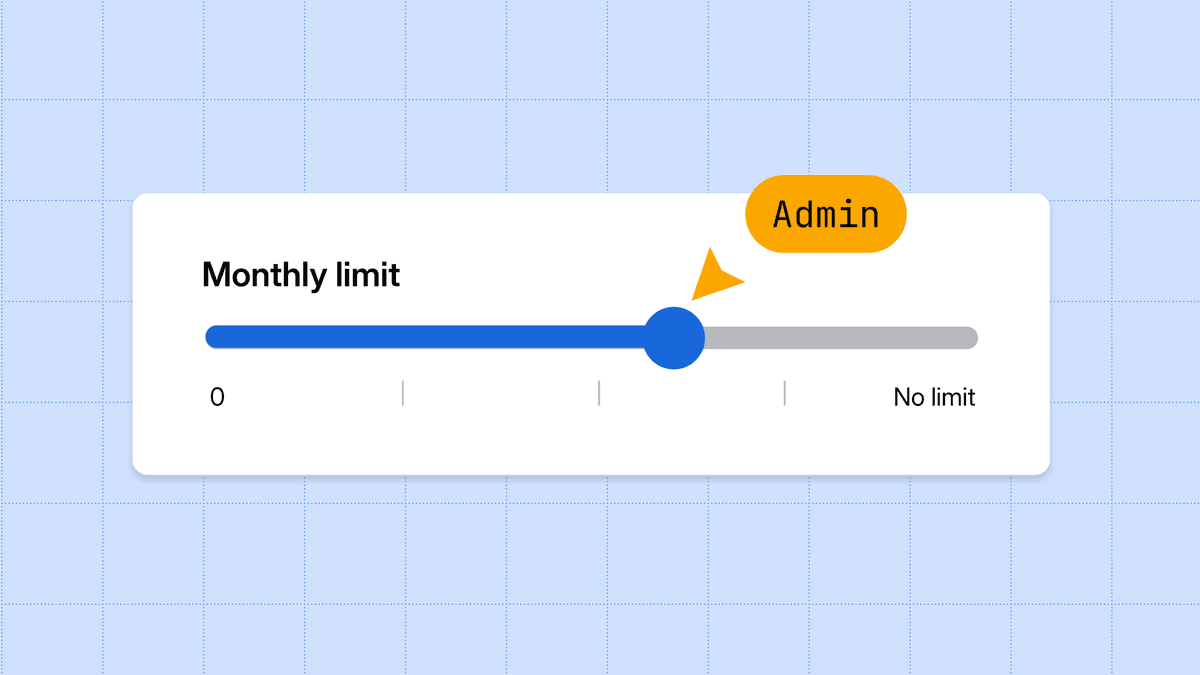
According to details first reported by Atlassian, most customers on paid cloud plans will receive substantial built-in allowances before additional charges apply. Organization and billing administrators can adjust consumption limits at any time through Atlassian Administration tools.
Performance claims and context advantages
Atlassian cited customer results to justify the pricing structure, noting some organizations have accelerated reporting processes by 40x using agents and saved 400 hours monthly through automation. The company reported that customers using AI capabilities in Jira Service Management resolve issues 13% faster than those without AI assistance.
The company emphasized its Teamwork Graph technology as a differentiator. Built on two decades of workflow data, the graph serves as a contextual layer that extends beyond Atlassian's own products through a command-line interface and Rovo MCP Server integration. Internal benchmarks showed agents with Teamwork Graph context delivered 44% better answer quality while consuming 48% fewer tokens compared to agents lacking that context.
Why it matters
This pricing evolution signals how enterprise software vendors are navigating the economics of generative AI. Usage-based models shift financial risk from vendors to customers while potentially reducing barriers to initial adoption through included allowances. For IT leaders, the change requires new governance processes around AI consumption monitoring and budget forecasting—capabilities that differ fundamentally from managing seat-based licenses. Organizations will need to establish usage policies and tracking mechanisms before the December 2026 effective date to avoid billing surprises.
Administrative controls and visibility
Atlassian emphasized transparency measures accompanying the pricing changes. Administrators gain real-time visibility into team usage patterns and receive alerts before approaching consumption limits. Organizations can choose to upgrade plans, pre-purchase credits, or adopt pay-as-you-go billing when allowances are exhausted.
The company also announced that Assets availability is expanding to additional customers and that Bitbucket allowances will move to organization-level pooling rather than team-based allocation.
Recent product releases include coding agents in Jira that handle bug fixes, vulnerability remediation, test generation, and documentation updates. Remix in Rovo transforms text and tables into visual formats, while Request Resolver in Jira Service Management draws on employee context and company policies to handle support requests.
Atlassian published detailed information about meter-specific pricing, cost estimation tools, and frequently asked questions on its website. The company noted that customers currently run hundreds of millions of Jira workflows and automations through its platform each month.
These details were first reported by Atlassian in a company blog post.
This is an original analysis by the Omega editorial team. Source reporting: AI Watch.
Want systems like this working for your business?
Book a Call