ASUS Raises AI Server Growth Target to 150% Amid Memory Shortage
The PC and server maker sees strong demand extending through 2027 but warns component constraints could last until 2028.
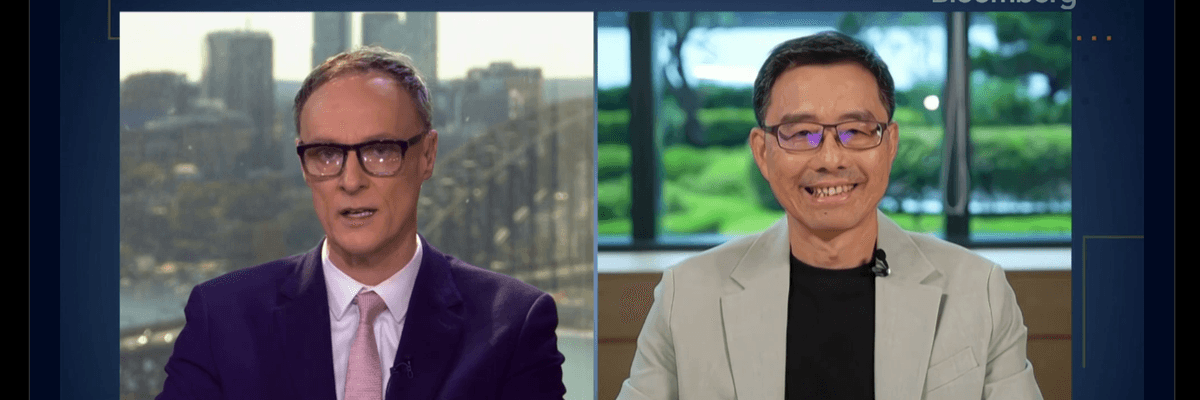
ASUS accelerates AI infrastructure growth
ASUS has revised its full-year AI server growth target upward to approximately 150%, more than doubling its initial forecast of 50-100% growth set at the beginning of 2025. The company's co-CEO shared the updated outlook in a recent Bloomberg Television interview following second-quarter earnings, pointing to sustained demand from cloud customers, enterprises, research institutions, and government-led sovereign AI initiatives.
The server division posted roughly 200% year-over-year growth and 58% quarter-over-quarter expansion in Q2. Order visibility now extends into 2027, driven in part by early production of systems built on NVIDIA's Vera Rubin platform.
Why it matters
ASUS's trajectory illustrates how AI infrastructure demand is reshaping the competitive landscape among hardware manufacturers. The company's ability to secure long-term orders while navigating severe component shortages demonstrates the premium cloud providers and governments place on compute capacity — even as supply constraints drive up costs across the industry. For enterprises planning AI deployments, the extended timeline for memory availability signals continued pressure on procurement and pricing through at least 2028.
Competing beyond hardware specifications
The 37-year-old company is positioning itself as more than a component supplier. ASUS is building what its leadership calls a "full stack" spanning AI devices, infrastructure, and applications. The approach includes the ASUS Zenni Claw agentic AI tool, the ASUS AI Hub services layer, and infrastructure projects like Taiwan AI Cloud.
This strategy reflects a broader industry shift back toward "heavy client" architectures that require substantial local compute power — a reversal from earlier thin-client trends. ASUS sees this as playing to its core strengths in hardware design while creating opportunities to integrate software and services.
In the PC segment, ASUS reported it was the only top-five Windows PC manufacturer to maintain growth amid market headwinds. Commercial PC shipments increased more than 50%, while AI PCs now represent over 30% of consumer revenue.
Memory constraints through 2028
The co-CEO offered a sobering assessment of component availability, projecting that memory and chip shortages could persist until the end of 2028. Memory manufacturers are prioritizing AI server and data center orders over consumer products, and expanding production capacity requires significant lead time for new facilities and equipment installation.
ASUS has responded by building strategic inventory reserves, securing long-term supplier agreements, designing configuration flexibility into products, and focusing on higher-value offerings. The company has adjusted pricing on some product lines to reflect input costs while attempting to absorb what it can.
Three growth engines
Looking ahead, ASUS leadership identified three drivers for continued expansion: AI servers and infrastructure, premium PCs benefiting from an AI-driven upgrade cycle, and a growing portfolio of AI applications and services. The company frames its ambition as becoming "the world's most comprehensive AI company" by connecting devices, infrastructure, applications, and services.
These details were first reported by ASUS in a blog post recapping the Bloomberg Television interview with co-CEO and host Paul Allen on Insight with Haslinda Amin.
This is an original analysis by the Omega editorial team. Source reporting: AI Watch.
Want systems like this working for your business?
Book a Call