Argentina Deploys $1.2M in AI Surveillance Under Milei
Amnesty International documents facial recognition, social media monitoring, and drone systems targeting protesters and marginalized groups.
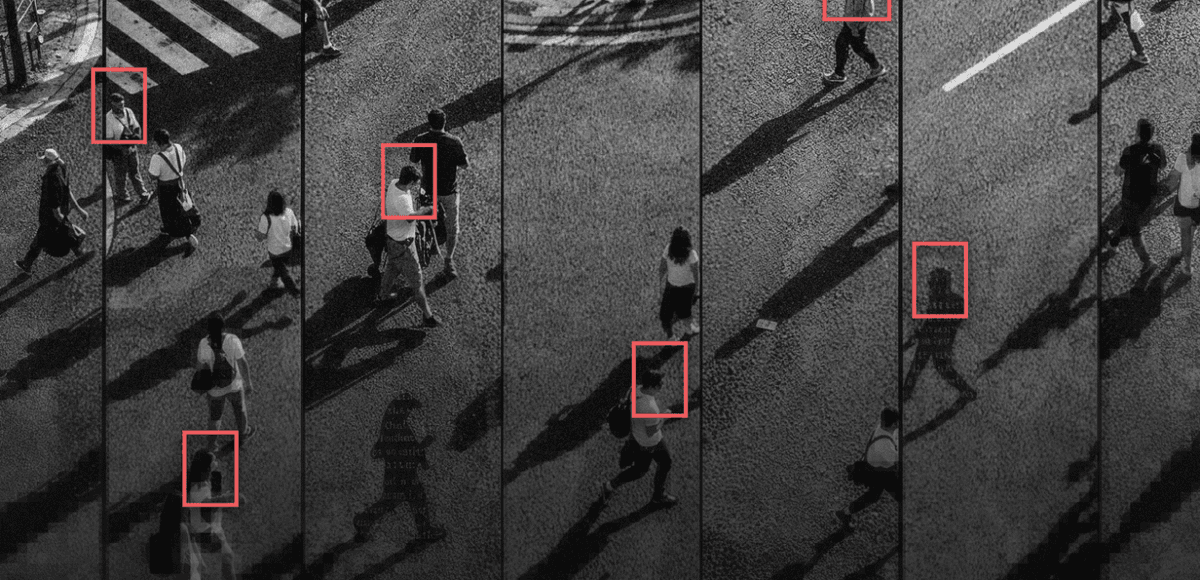
Surveillance expansion targets dissent
Argentina's government acquired at least $1.2 million in surveillance technologies between 2024 and 2025, including facial recognition software, social media monitoring platforms, and aerial surveillance drones, according to a new report from Amnesty International. The purchases represent a systematic expansion of state surveillance capabilities under President Javier Milei's administration.
The technologies now form what Amnesty characterizes as a mass surveillance system affecting both physical and digital spaces. The government implemented the expansion through executive decrees and resolutions that reformed intelligence institutions and broadened their operational scope, according to the report Sensing the Surveillance State, first published by Amnesty International.
Technologies and their deployment
The procurement documents analyzed by Amnesty reveal purchases of open-source intelligence platforms capable of collecting and cross-referencing data from social media, websites, the dark web, and public databases. The government also acquired facial recognition software from companies with documented histories of exploiting biometric data without adequate legal authorization.
Drone systems with automated tracking, thermal imaging, and real-time transmission capabilities have been deployed at protests. Ana Tapia, a member of the Insurgent Pensioners collective, described drones hovering within six feet of protesters during weekly demonstrations against pension cuts at the National Congress in Buenos Aires.
Impact on civil society
Amnesty International interviewed 21 individuals for the report, including journalists, activists, pensioners, young people, and human rights defenders. The research documented widespread self-censorship on social media and reduced participation in public protests due to fears of identification and targeting.
"Pervasive surveillance is being used against Argentinians in both physical and digital spaces, to devastating effect," said Paola Garcia Ray, Deputy Director of Amnesty International Argentina. "These technologies have become an integral part of the infrastructure of state control, targeting dissent, deterring protest movements, and harassing marginalized groups."
The organization obtained information through freedom of information requests and analyzed procurement records to trace technology acquisitions and their deployment patterns.
Why it matters
Argentina's surveillance expansion reflects a global pattern where governments adopt AI-driven monitoring systems without adequate oversight or legal frameworks. The combination of state demand and commercial supply creates what Amnesty calls a "techno-authoritarian infrastructure" that threatens privacy, freedom of expression, and peaceful assembly rights. For business leaders in the AI sector, the case illustrates how surveillance technology sales to governments can enable human rights violations, raising questions about corporate responsibility and export controls.
Regulatory recommendations
Amnesty International called on Argentine authorities to ban remote biometric recognition technologies used for mass or discriminatory surveillance. The organization also recommended establishing regulatory frameworks for the procurement, development, and use of surveillance technologies, with specific public policy guidelines governing their deployment.
"Argentina must demonstrate that it is committed to human rights, by ensuring that the use of AI-driven surveillance does not go unchecked," said Matt Mahmoudi, Researcher and Advisor on Artificial Intelligence and Human Rights at Amnesty International.
The findings were first reported by Amnesty International in August 2026.
This is an original analysis by the Omega editorial team. Source reporting: AI Watch.
Want systems like this working for your business?
Book a Call
