Apple's Siri AI Overhaul Integrates Chatbot Interface Across iOS 27
The public beta introduces on-device indexing, screen awareness, and system-wide access that fundamentally changes how iPhone users interact with their devices.
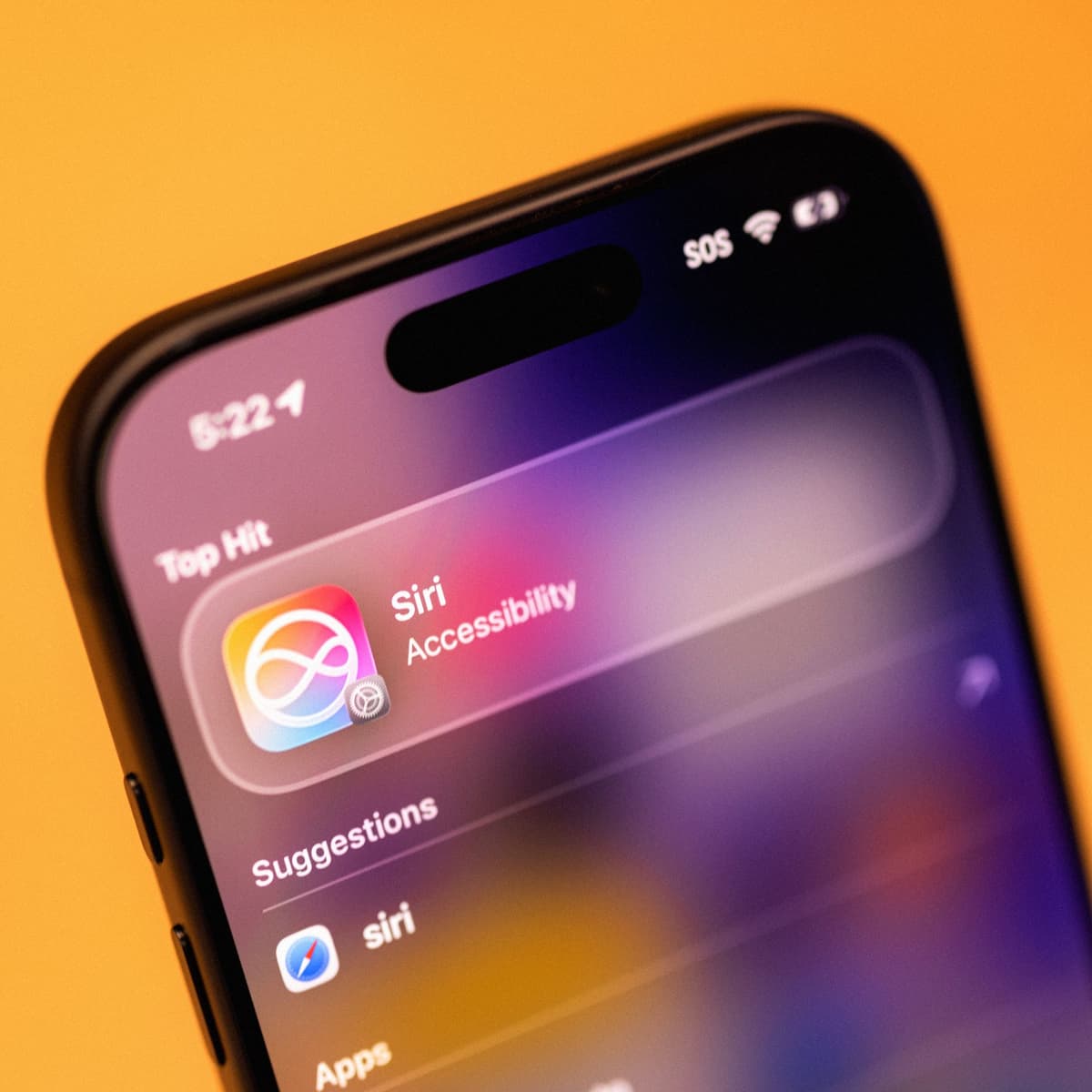
Apple has released the public beta of iOS 27, making its redesigned Siri AI assistant available to general users for the first time. The update represents a fundamental shift from voice-only commands to a system-wide intelligence layer that can search, summarize, and act on personal data stored across an iPhone.
The changes go well beyond incremental improvements. Apple has added a dedicated chatbot-style app, integrated Siri into the iPhone's core search function, and enabled the assistant to pull context from messages, calendars, photos, and whatever appears on screen at any given moment.
Why it matters
For enterprise technology leaders, this release signals Apple's strategy for competing in the AI assistant market: deep OS integration rather than cloud-based general knowledge. By indexing device data locally and making that searchable through natural language, Apple is betting that personal context—not broader intelligence—will differentiate mobile AI experiences. The approach also addresses privacy concerns that have slowed AI adoption in regulated industries, since processing happens on-device rather than in external data centers.
How the new system works
After downloading the iOS 27 beta and joining Apple's Siri waitlist, users must wait for their device to complete an indexing process. This can take over a week, according to testing reported by WIRED, as the iPhone builds a searchable database of texts, emails, calendar entries, and other personal information.
Once indexing completes, Siri can answer queries like "what's on my plate this week" by scanning recent messages and calendar appointments. In one example, the assistant identified an incoming TikTok Shop delivery mentioned in texts, flagged movie plans from a group chat, and surfaced upcoming calendar events—all from a single prompt.
The assistant now appears when users swipe down to access iPhone search, blurring the line between traditional search and AI queries. Typing "What's a good route for driving to Sacramento?" automatically triggers Siri to open Maps with a suggested path rather than returning web results.
Screen awareness and cross-app functionality
Siri can now analyze whatever appears on screen without requiring users to specify context. When a user saw social media posts about a musician criticizing Meta's AI glasses but lacked source details, asking "Where did she say this?" while viewing the post prompted Siri to identify the speaker, event location, and provide verification links.
The camera app includes a new Siri tab that analyzes images and provides contextual information. A "Write with Siri" feature drafts text messages and notes based on brief verbal descriptions.
"They've integrated it across the entire ecosystem, so you can access Siri AI no matter where you are on the device," Nabila Popal, senior research director at International Data Corporation, told WIRED. "The accessibility of Siri AI and its integration across the operating system were really well done."
Limitations and hardware requirements
The current beta lacks features common in standalone chatbots, including memory of user preferences across sessions. Users must repeatedly specify details like dietary restrictions when asking for recommendations.
Siri AI requires iPhone 15 Pro or newer models, even though iOS 27 itself runs on older devices. The assistant is also available on recent iPads, Macs, and Vision Pro headsets.
Users can control which apps Siri learns from through Settings and set conversation retention periods from 30 days to indefinite storage.
These details were first reported by WIRED, which noted that while Android users with Google's Gemini may find some capabilities familiar, the release represents a significant shift for the millions of iPhone users in the United States.
This is an original analysis by the Omega editorial team. Source reporting: WIRED.
Want systems like this working for your business?
Book a Call