Apple Unveils Siri AI Powered by Google Gemini at WWDC 2026
The rebuilt voice assistant features natural speech, app integration, and camera-based actions, but faces EU regulatory delays.
Apple Rebuilds Siri With Google's AI Technology
Apple introduced Siri AI at its 2026 Worldwide Developers Conference, marking a fundamental redesign of its voice assistant with artificial intelligence as the foundation. The announcement came during Monday's keynote at Apple Park in Cupertino, California, where the company detailed its vision for a more capable and personalized digital assistant.
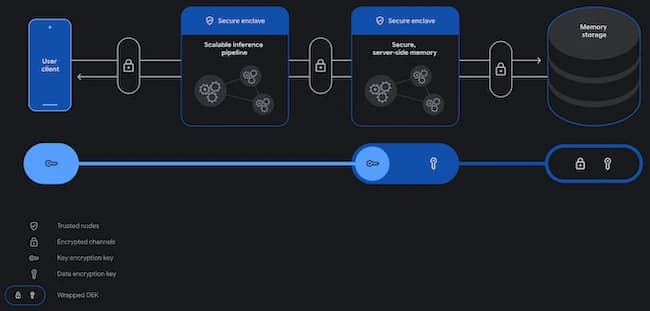
The rebuilt assistant represents a departure from the traditional Siri experience. According to Craig Federighi, Apple's senior vice president of software engineering, Siri AI will deliver more natural-sounding speech with user controls for pace, expressivity, and accent. The system will have access to apps and data across a user's iPhone, though Apple emphasized strong privacy protections remain in place.
Google Partnership Powers New Capabilities
Apple is leveraging Google's Gemini AI model to enable Siri AI's enhanced functionality. This collaboration stems from a multiyear agreement announced in January 2026, under which Google's AI technology would support future Apple Intelligence features, including the personalized Siri experience.
Federighi positioned the announcement as a counterpoint to what he characterized as rushed AI development. "AI is incredibly powerful technology," he said. "Still, some appear to be racing forward" to develop "AI for the sake of AI" without regard for the humans using the technology.
Camera Integration and Visual Intelligence
A notable addition is a "Siri AI mode" for the iPhone camera that can analyze visual information and take action. Users will be able to point their camera at objects—such as a plate of food—to receive relevant information like nutritional estimates. This feature extends the assistant's capabilities beyond voice interaction into visual understanding.
Limited Initial Rollout
Siri AI will launch in beta later in 2026, initially available only in English within the United States. The rollout will expand to additional languages over time. However, the European Union will not receive Siri AI at launch as Apple works to comply with the region's privacy regulations, Federighi confirmed.
Why it matters
Apple's decision to partner with Google for core AI infrastructure marks a significant strategic shift for a company known for developing proprietary technologies. The move signals that even Apple—with its substantial resources—recognizes the competitive necessity of leveraging leading AI models to remain relevant in the voice assistant market. The EU regulatory delay also highlights the growing tension between rapid AI deployment and regional privacy frameworks, a challenge that will affect product launches across the technology industry.
The WWDC keynote also featured one of CEO Tim Cook's final public appearances in his current role before transitioning to executive chairman in September, when John Ternus will assume the CEO position.
These details were first reported by Variety.
This is an original analysis by the Omega editorial team. Source reporting: AI Watch.
Want systems like this working for your business?
Book a Call