Apple Accelerates Mac Mini, Studio Launch Amid Enterprise AI Demand
Unexpectedly strong business appetite for AI hardware prompted the company's earliest Mac desktop refresh in years, despite supply constraints.
Enterprise AI Appetite Drives Unusual Mac Refresh Timeline
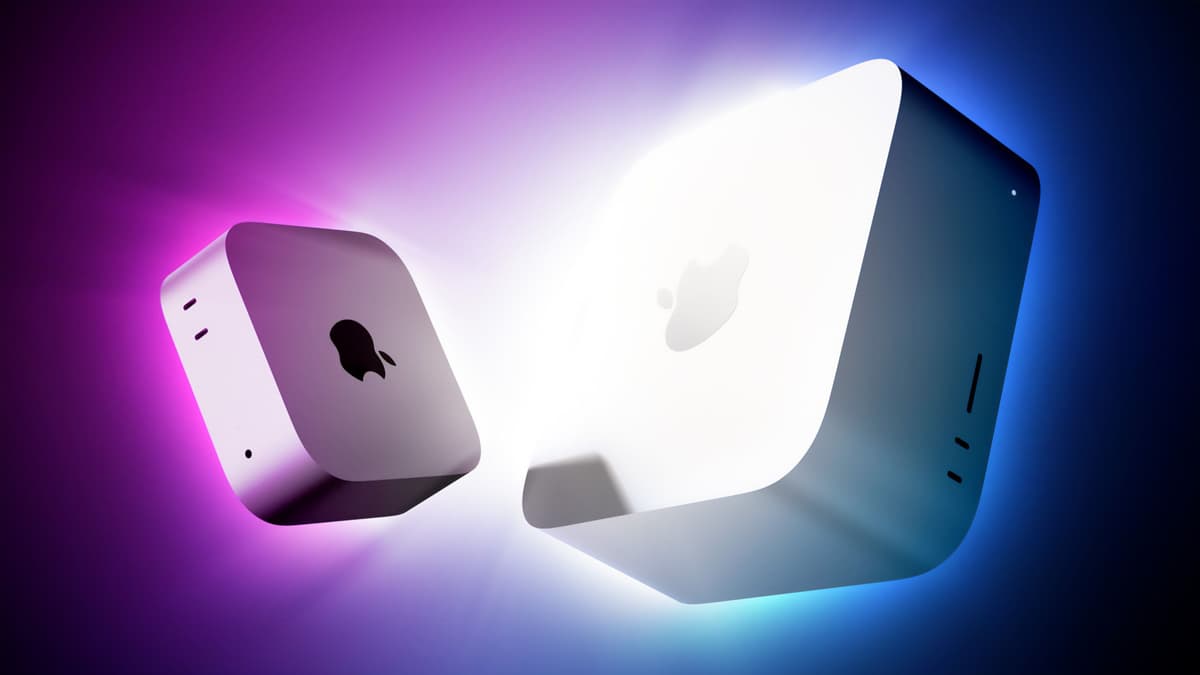
Apple released new Mac mini and Mac Studio models this week in an uncharacteristic August announcement, departing from its typical autumn desktop refresh cycle. The early launch stems from stronger-than-anticipated enterprise demand for AI-capable hardware, according to The Information.
The timing places the Mac desktop announcement just ahead of expected new iPhone models—a departure from Apple's usual product cadence that typically sees Mac updates arrive in October or November.
Business Focus Signals Strategic Shift
Apple has positioned both machines with enterprise capabilities front and center. The company now promotes the ability to link multiple Mac Studio units into a unified system capable of running large frontier AI models, a feature squarely aimed at business and developer customers rather than consumer users.
This business orientation became visible in June when Apple hosted a "Business at the Park" event featuring executives from Ford, Disney, and Anthropic. The Mac mini reportedly emerged as the standout product at that gathering.
Why It Matters
The surge in enterprise Mac demand reveals a gap in Apple's go-to-market strategy. Despite positioning itself as a leader in on-device AI with Apple Intelligence, the company lacks dedicated engineering teams for business customers, developer relations staff focused on enterprise needs, and a coherent enterprise AI strategy. This organizational gap forced Apple to decline requests from businesses seeking access to its Private Cloud Compute infrastructure, instead directing them to third-party partners like WebAI and Mount Thor that build AI tools on Apple hardware. As enterprises increasingly seek alternatives to cloud-based AI solutions, Apple's unpreparedness could represent a significant missed opportunity in a rapidly growing market segment.
Supply Constraints Create Opening for Competitors
The unexpected demand spike has collided with a global memory shortage, leaving many Mac mini and Mac Studio configurations out of stock for months. High-end models have proven particularly difficult to obtain.
Some enterprise customers unable to secure Apple hardware have turned to alternatives including Nvidia's DGX Spark, a compact AI desktop launched late last year with a form factor similar to the Mac mini.
Apple's Enterprise Infrastructure Gap
The Information reports that Apple was caught unprepared by the business rush toward powerful desktop Macs. The company reportedly lacks an engineering team dedicated to business customers and has no staff focused specifically on developer relations for enterprise contexts.
When businesses approached Apple requesting to purchase access to the company's Private Cloud Compute infrastructure, they were turned down. Instead, Apple has relied on partnerships with companies that provide AI tools and execution environments built on Apple hardware.
These details were first reported by The Information.
This is an original analysis by the Omega editorial team. Source reporting: AI Watch.
Want systems like this working for your business?
Book a Call