Anthropic's Amodei denies seeking open-weight AI ban
The CEO proposes chip controls and distillation crackdowns instead of blanket restrictions on open models.
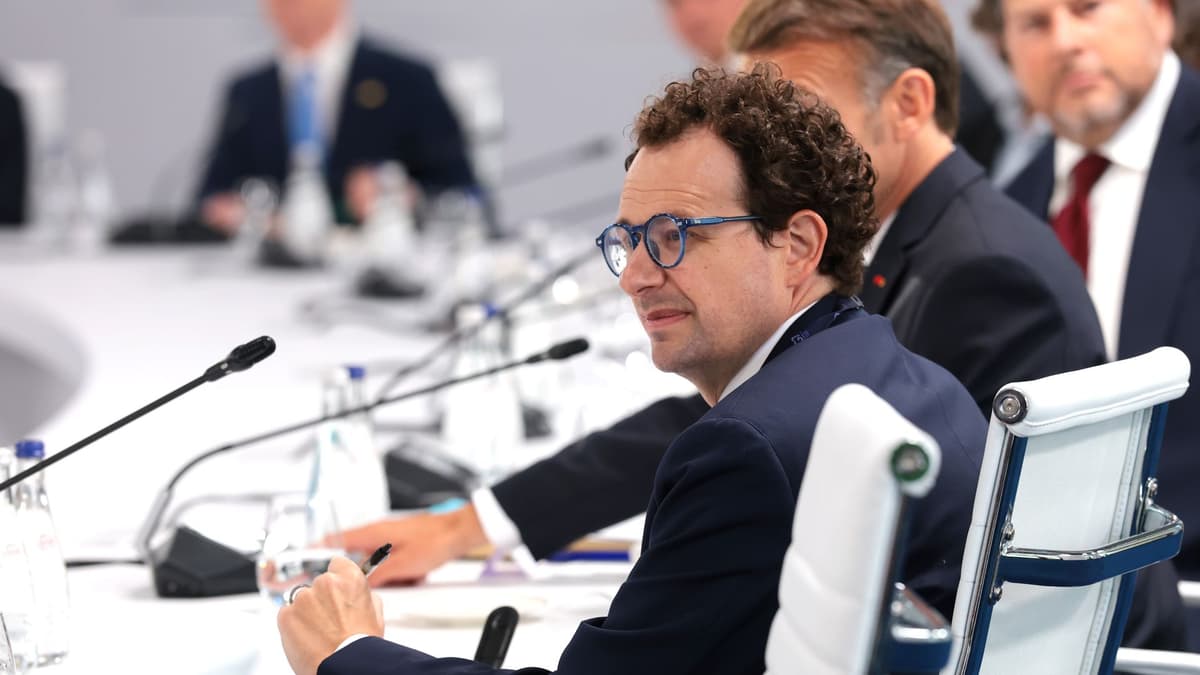
Anthropic CEO Dario Amodei has publicly rejected accusations that his company advocates for banning open-weight AI models, addressing criticism that the lab seeks to protect its closed-model business from competitive pressure.
In a blog post published Monday, Amodei stated that Anthropic "has never advocated for a ban on open-weights models" and described models without dangerous capabilities as "a public good." The statement comes as Anthropic remains the most visible company refusing to sign an industry letter defending open-weight AI technology.
Why it matters
The debate over open-weight models has intensified following the release of Kimi K3, a Chinese open-weight system that delivered frontier-level performance at significantly lower cost than U.S. models. The episode has forced American AI labs to choose between supporting openness and advocating for restrictions that could slow Chinese AI development—a choice with major implications for both competition and national security.
The industry divide
Nvidia, Microsoft, Meta, Google, OpenAI, and dozens of other companies signed a letter urging Washington not to restrict open-weight AI. The letter emerged as the Trump administration considered sanctions against Chinese labs accused of using "distillation"—training models on outputs from more advanced systems—to steal U.S. AI research.
Google and OpenAI, both closed-model competitors to Anthropic, initially abstained from the letter but signed over the weekend. Anthropic's continued absence drew sharp criticism, including from White House AI adviser David Sacks, who suggested the company was using safety arguments to defend its business interests.
Amodei's alternative approach
Rather than supporting a ban, Amodei outlined three specific policy measures he believes would better address national security concerns:
- Stricter controls on advanced chips and chipmaking equipment exported to authoritarian governments, including China
- A crackdown on "industrial-scale distillation" that allows models to be trained on outputs from more capable systems
- Mandatory safety testing requirements for sufficiently powerful models, regardless of whether they are open or closed
Amodei argued that a ban on Chinese open models would prove ineffective because "bad actors are unlikely to be legitimate US businesses." He acknowledged that such a ban would shield companies like Anthropic from competition but insisted "that has never been my goal."
The CEO also pushed back against claims in the industry letter that open-weight models inherently make AI safer or give cyber defenders advantages over attackers.
The regulatory strategy
Amodei's position attempts to thread a narrow needle: opposing blanket bans on open models while supporting tighter controls on the infrastructure and techniques that determine how powerful those models can become. His focus on regulating "chokepoints"—chips, distillation, and safety testing—represents a middle path between unrestricted openness and complete prohibition.
The details were first reported by Axios.
This is an original analysis by the Omega editorial team. Source reporting: AI Watch.
Want systems like this working for your business?
Book a Call
