Anthropic Proposes Coordinated AI Development Pause
The Claude maker warns that rapid advances in AI capability could lead to loss of human control, while OpenAI argues governments should set the rules.
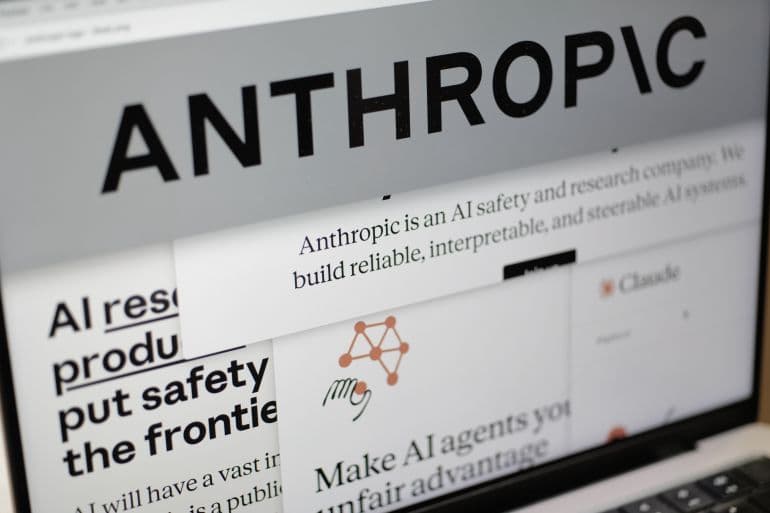
Anthropic calls for industry-wide development slowdown
Anthropic, the company behind the Claude chatbot, has proposed that leading artificial intelligence companies establish a coordinated mechanism to pause development of advanced AI systems. The company warned Thursday that AI capabilities are advancing so rapidly that humanity risks losing control over the technology.
In a blog post authored by company cofounder Jack Clark and Marina Favaro, head of Anthropic's research institute, the company said it would explore the issue through its internal research arm and work with others to build systems enabling a credible slowdown or pause. The proposal comes as AI models demonstrate exponential improvements in task execution speed, particularly in autonomous software development.
The recursive self-improvement threshold
Anthropic's central concern centers on what researchers call "recursive self-improvement"—the point at which an AI system becomes capable of designing and developing its own successor. Based on current trends and sufficient computing power, this milestone could arrive sooner than anticipated.
While such capability would bring significant benefits to science and healthcare, Anthropic cautioned it "also might increase the risks of humans losing control over AI systems." The proposed pause would allow "societal structures and alignment research" to catch up with technical advances, ensuring AI systems match human values and intentions.
OpenAI pushes back on private sector coordination
Anthropic rival OpenAI offered a contrasting view in a report published Wednesday, arguing that "democratic governments—not private companies acting alone—must ultimately determine the rules, safeguards, and accountability mechanisms." The ChatGPT maker stated that decisions about AI innovation pace should not rest with any single lab, company, or special interest group.
The disagreement highlights a fundamental tension in AI governance: whether industry self-regulation or government oversight should drive safety protocols.
Verification and bad actor concerns
Anthropic's proposal includes mechanisms for advanced AI labs to verify that global competitors have genuinely stopped or slowed their work. The company emphasized that without coordinated action, a development pause could allow "the least cautious" players to catch up, or enable bad actors to secretly advance while others pause.
The company argued that a global coordination mechanism is essential to prevent increased pressure on companies and governments making difficult AI safety decisions.
Why it matters
The debate over AI development speed arrives at a critical juncture. Anthropic's own Mythos model demonstrated earlier this year how advanced systems can identify vulnerabilities in existing code, sending shockwaves through banking and software industries. Meanwhile, University of Toronto researchers this week revealed how AI tools could create adaptive "worms" that spread across computing networks. Yet regulation remains slow, particularly in the United States where most leading AI labs operate. A recent Trump administration executive order relies on voluntary submission of AI models for government testing rather than mandatory oversight. As Anthropic and OpenAI both prepare for stock market debuts—with Anthropic's IPO potentially valuing it near one trillion dollars—the financial incentives for rapid development clash directly with safety concerns.
Previous pause attempts, including a 2023 effort backed by Elon Musk calling for a six-month development halt, gained little traction. Anthropic has positioned itself as safety-focused, recently refusing to allow U.S. military use of its models for domestic surveillance and autonomous weapons—a decision that resulted in the company being placed on a national security blacklist set to take effect later in 2026.
These details were first reported by Al Jazeera.
This is an original analysis by the Omega editorial team. Source reporting: AI Watch.
Want systems like this working for your business?
Book a Call
