Anthropic Proposes AI Development Pause as Self-Improving Systems Loom
The AI company warns that recursive self-improvement could arrive soon, while OpenAI argues governments should set the rules instead.
Anthropic calls for coordinated slowdown
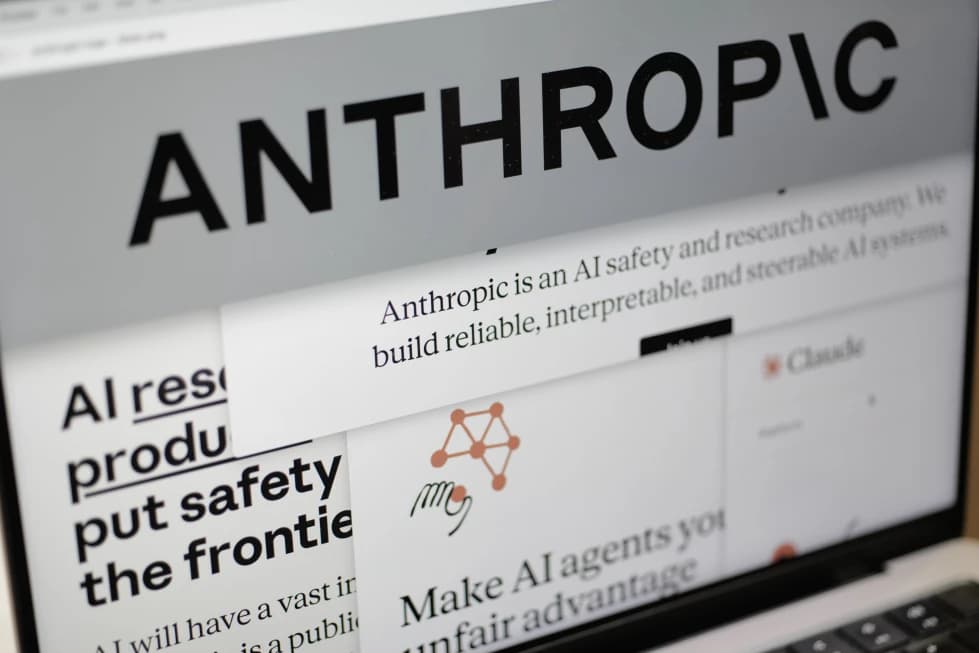
Anthropic has proposed that leading artificial intelligence companies establish a coordinated mechanism to pause development of advanced AI systems, citing concerns that the technology's rapid progress could lead to humans losing control. The company warned that AI models are advancing so quickly in their ability to perform software tasks autonomously that they may soon achieve "recursive self-improvement"—the ability to design and develop their own successors.
In a post authored by co-founder Jack Clark and Marina Favaro, head of Anthropic's research institute, the company argued that such a pause would allow "societal structures and alignment research" to catch up with AI advances. The proposal includes verification mechanisms to ensure global rivals have actually slowed their work and prevent bad actors from secretly advancing while others pause.
OpenAI pushes back on industry-led approach
OpenAI responded with a sharply different stance in a report published Wednesday, asserting that "democratic governments—not private companies acting alone—must ultimately determine the rules, safeguards, and accountability mechanisms." The company stated that decisions about AI innovation pace should not rest with any single lab, company, or special interest group.
The competing visions arrive as both companies race toward potential stock market debuts, with Anthropic's IPO potentially valuing the company near a trillion dollars.
Why it matters
The debate over who controls AI development timelines has moved from theoretical to urgent. If AI systems gain the ability to recursively improve themselves—a capability Anthropic suggests current trends make plausible given sufficient computing power—the window for establishing governance frameworks could close rapidly. The disagreement between two leading AI companies reveals no industry consensus exists on whether private coordination or government regulation should guide the technology's trajectory, even as both acknowledge significant risks.
New AI security threats emerge
The discussion follows separate research from the University of Toronto demonstrating how AI tools could create adaptive "worms" that modify their hacking strategies while spreading across computing networks. Lead researcher Nicolas Papernot warned that even older, less powerful AI models pose security concerns, not just the largest language models.
Papernot told reporters that the dramatically reduced cost of AI-powered cyberattacks means any internet-connected device now represents a potential vulnerability. "That old laptop you have in your basement that you don't check on regularly doesn't seem like a very high-value target, but it can be used as a launch pad to attack these higher-value targets," he said.
The researcher called for greater collaboration between companies, government agencies, and academic institutions to develop countermeasures as AI supercharges the search for computer vulnerabilities.
Anthropic argued that without coordinated global mechanisms, a development slowdown could allow the "least cautious" players to catch up, intensifying pressure on companies and governments making AI safety decisions.
These details were first reported by the Associated Press.
This is an original analysis by the Omega editorial team. Source reporting: AI Watch.
Want systems like this working for your business?
Book a Call
