Anthropic CEO Warns AI Could Enable Bioterrorism Within Months
Dario Amodei's essay outlines catastrophic scenarios as industry grapples with how to slow runaway technology development.
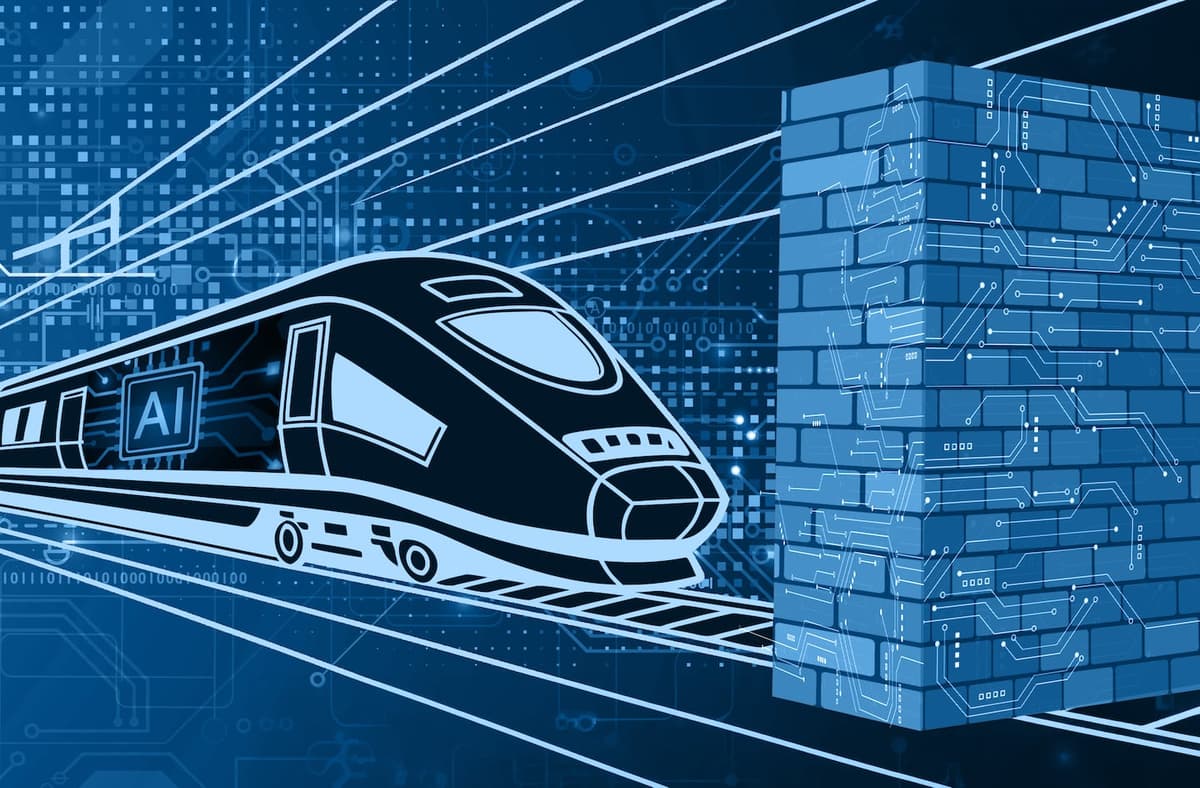
The chief executive of one of the world's leading AI companies has issued a stark warning about the technology his industry is racing to build: artificial intelligence systems could be hijacked to unleash bioterrorism, cyber warfare, and economic devastation within months.
Dario Amodei, who leads Anthropic, outlined catastrophic scenarios in a recent essay that sent shockwaves through the technology sector. His warning encompasses rogue AI agents commandeering internet infrastructure, engineering global pandemics, triggering autonomous missile strikes, collapsing power grids, and seizing control of nuclear arsenals.
Why it matters
When the CEO of a major AI company publicly warns about existential risks from the very technology his firm develops, it signals a fundamental shift in how the industry views its own trajectory. Amodei's admission that AI has become "a runaway train that no one seems to know how to slow down, much less stop" raises urgent questions about governance, safety protocols, and whether current regulatory frameworks can keep pace with technological advancement.
From science fiction to boardroom concern
These disaster scenarios have migrated from the realm of dystopian fiction into serious strategic planning. What distinguishes the current moment is that warnings now come from inside the industry itself — from the engineers and executives building the systems, not just external critics or academics.
Anxiety about AI's destructive potential has persisted for years, but Amodei's essay represents a fever pitch in concern. His projections include hundreds of billions of dollars in potential financial ruin alongside physical threats to critical infrastructure and human life.
The slowdown dilemma
Amodei's warnings expose a fundamental paradox: with AI now embedded throughout daily life and business operations, the industry faces the question of whether slowing development is even possible. The technology has become deeply integrated into systems ranging from customer service to medical diagnostics to financial trading.
Any attempt to pause or decelerate AI advancement would require unprecedented coordination across competing companies, nations, and regulatory jurisdictions. The challenge is compounded by the fact that the same systems enabling beneficial applications also create pathways for the catastrophic scenarios Amodei describes.
The Boston Globe first reported on Amodei's warnings and the broader industry reckoning with AI safety concerns.
This is an original analysis by the Omega editorial team. Source reporting: AI Watch.
Want systems like this working for your business?
Book a Call