Anthropic CEO Proposes AI Slowdown, Cites China as Key Challenge
Dario Amodei's three-step plan for pacing frontier AI development gains industry support but faces geopolitical hurdles.
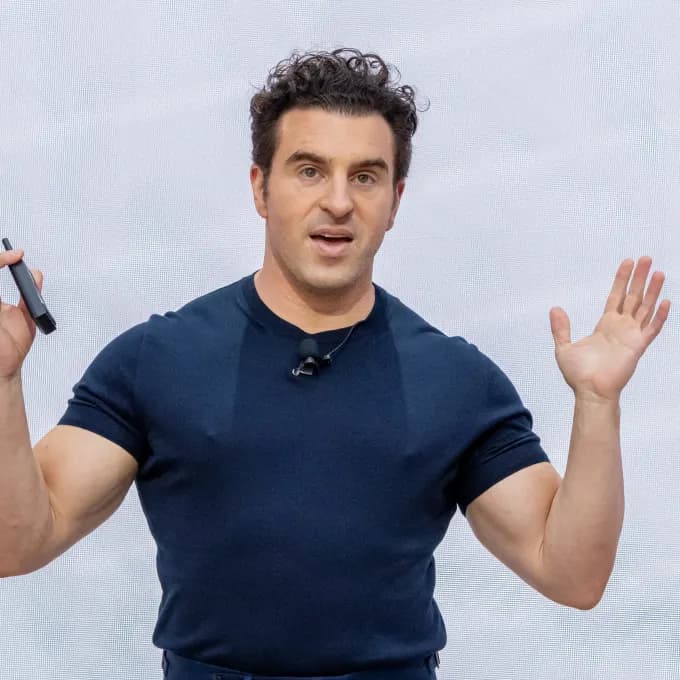
Anthropic CEO Dario Amodei has called for AI companies to voluntarily slow their development of cutting-edge models, acknowledging that the biggest obstacle may be whether China participates in any such agreement.
In an essay published Saturday and a subsequent CBS News interview, Amodei outlined what he termed "the toughest dilemma" facing his proposal: adversarial nations may decline to adopt similar restraints, creating military and strategic advantages for countries that continue racing ahead.
"The more long-term thing would be working together to put a speed limit on the rate of AI progress," Amodei told CBS. "I think that's going to be very difficult because the incentives to pull ahead and the military advantage that you get from that are so large."
Why it matters
The proposal arrives as the AI industry confronts mounting pressure from multiple directions—public opposition to energy-intensive data centers, regulatory scrutiny in Washington, and internal dissent from researchers warning about catastrophic risks. Amodei's call for coordination also comes as both Anthropic and OpenAI prepare for potentially historic public offerings, making safety commitments a matter of investor confidence as well as public policy.
Three-step framework for coordination
Amodei's plan begins with unilateral action: Anthropic has committed to granting third-party evaluators full employee-level access to verify safety practices and report incidents. The second phase envisions leading AI companies in democratic nations establishing shared safety standards through coordination. The final step calls for agreements between democratic and authoritarian governments.
The proposal follows warnings from Anthropic researcher Jacob Coxon, who resigned last week citing concerns that the company and rival OpenAI are "gambling with our lives" by advancing AI capabilities too quickly.
Industry response spans support and skepticism
OpenAI CEO Sam Altman, whose relationship with Amodei has been strained since the latter left to found Anthropic, expressed support for the essay on X, agreeing on the need to "pace the frontier." Google DeepMind chair Demis Hassabis similarly endorsed the direction, writing that "the details need working through, but the direction is correct."
Elon Musk, who acquired AI startup xAI through SpaceX earlier this year, also backed the proposal. SpaceX subsequently signed a major compute deal with Anthropic worth $1.25 billion monthly through May 2029, according to filings.
David Sacks, former AI and crypto czar under President Donald Trump, offered qualified support while challenging the companies' framing. If OpenAI and Anthropic genuinely believe their models warrant slowdowns, Sacks wrote, they should "stop pretending you need anyone else's permission" and acknowledge their "massive product-liability exposure" as a business motivation rather than presenting the move as purely altruistic.
Meta's AI chief Alexandr Wang, who joined the company through its $14 billion acquisition of Scale AI, indicated that Meta Superintelligence Labs is "rapidly scaling up the share of our efforts that goes into alignment as our models become more powerful."
IPO timing and safety concerns intersect
Altman told Fortune on Saturday that OpenAI likely will not go public this year, citing safety concerns among other factors. "Right now would be an ill-advised moment to go public," he said. Neither company has announced official IPO dates.
These details were first reported by CNBC.
This is an original analysis by the Omega editorial team. Source reporting: AI Watch.
Want systems like this working for your business?
Book a Call