Anthropic CEO Clarifies Stance on Open-Weight AI Models
Dario Amodei says his company never advocated for bans, but warns of risks from authoritarian governments and biological threats.
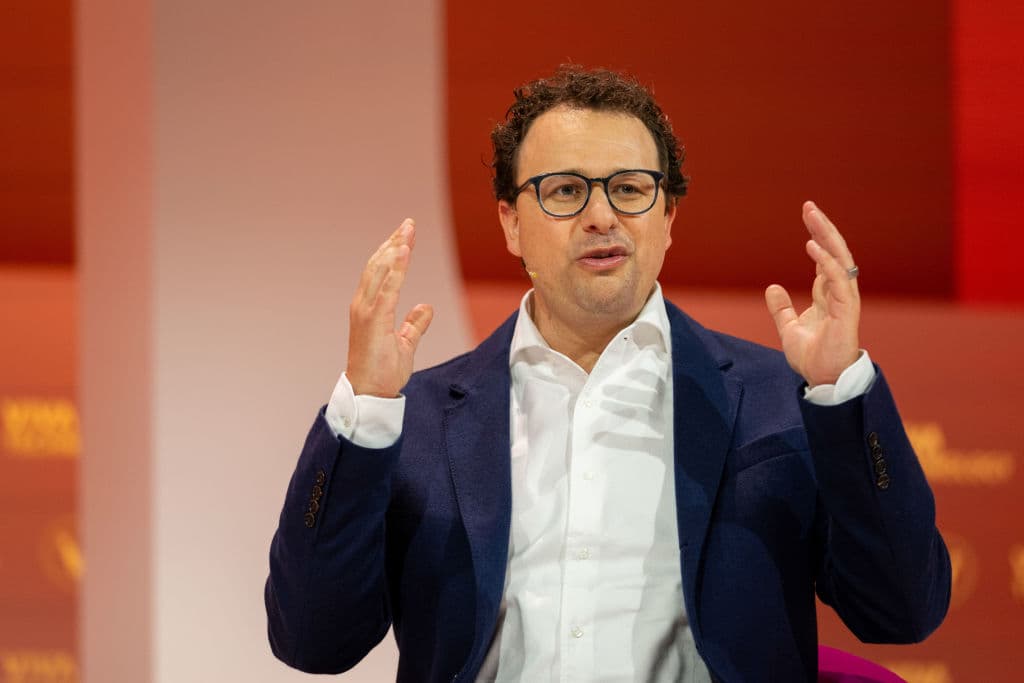
Anthropic distances itself from open-weight model ban speculation
Anthropic CEO Dario Amodei issued a public statement Monday addressing speculation that his company supports U.S. government efforts to restrict open-weight AI models, particularly those from China. The clarification came days after Nvidia CEO Jensen Huang posted his first message on X, sharing an open letter signed by major AI companies opposing premature restrictions on open-weight models.
"Anthropic has never advocated for a ban on open-weights models," Amodei wrote in a blog post, adding that anyone familiar with his previous writing should recognize such bans aren't measures he considers useful.
The statement follows an open letter published Friday by Nvidia, Hugging Face, Meta, Microsoft, Mistral, and other firms urging policymakers to avoid broad restrictions on open-weight AI development. While that letter didn't specifically mention China, the broader industry debate has focused on allegations that Chinese AI labs are advancing capabilities through intellectual property theft, including a technique called distillation where one AI system learns from another by bombarding it with prompts.
Why it matters
The public positioning reveals a split in how AI companies view national security concerns versus innovation openness. As Washington weighs export controls and testing requirements for frontier models, executives are navigating between supporting competitiveness measures against China and maintaining the open development practices many credit for AI's rapid progress. Amodei's nuanced stance—supporting chip restrictions and distillation crackdowns while opposing blanket model bans—reflects the complexity of balancing these priorities.
Distinguishing between open models and geopolitical threats
Amodei drew a clear line between open-weight models and what he views as legitimate security concerns. He described open-weight models without dangerous capabilities as "a public good" that provides value to businesses, developers, and researchers at minimal cost beyond compute requirements.
His actual concerns center on authoritarian governments—particularly the Chinese Communist Party, which he called the "most capable" among them—building more powerful models than those available in the United States. Amodei warned such governments could achieve "permanent military superiority" or use AI to repress their populations.
He also highlighted biological threats as a key risk, arguing that open-weight models pose particular dangers in biosecurity scenarios because they're difficult to monitor or apply guardrails to. Once released, he noted, citing a UK AI Security Institute report, open-weight models cannot be withdrawn.
This perspective contrasts with open-source advocates who argue that widespread access to powerful models helps defenders protect themselves rather than exclusively benefiting attackers.
Policy recommendations and global cooperation
Amodei outlined several measures he believes would address Chinese AI threats without requiring open-weight model bans. These include maintaining restrictions on China's access to advanced chips—already longstanding U.S. policy—and implementing formal enforcement against distillation-based IP theft, which the U.S. has threatened to sanction.
Notably, Amodei expressed support for establishing a global model safety testing organization, particularly if China agreed to participate. He suggested that limited cooperation on preventing AI-enabled biological weapons might be achievable because it serves China's interests as well.
Amodei said he's encouraged that the Trump administration has moved toward such testing frameworks in recent months, and praised industry proposals that would apply testing to the most capable models regardless of origin or whether they're open or closed, while exempting less capable models from startups and academia.
The details were first reported by TechCrunch.
This is an original analysis by the Omega editorial team. Source reporting: AI Watch.
Want systems like this working for your business?
Book a Call
