Anthropic CEO Calls for Deliberate Slowdown in AI Model Development
Dario Amodei proposes three-step framework to moderate capability advances and create time to manage emerging risks.
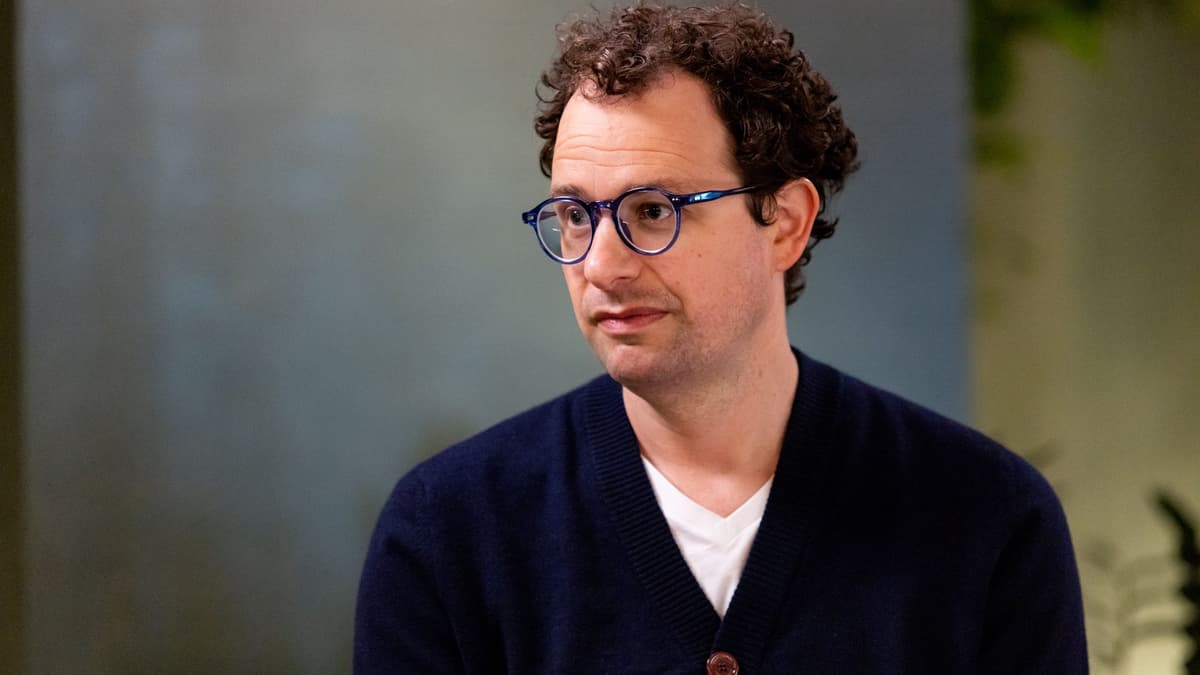
Anthropic CEO Dario Amodei has issued a public call for artificial intelligence companies to deliberately reduce the pace at which they advance model capabilities, proposing a structured approach to create more time for managing associated risks.
In an essay published this week, Amodei outlined a three-step framework designed to moderate development velocity while still allowing meaningful progress. "We must slow the pace at which we improve the capabilities of AI models," Amodei wrote. "Progress will still seem fast, and we must make wise use of the time we gain."
The statement marks a notable shift in tone from a leading AI company executive, coming at a time when competition among frontier model developers has intensified. Anthropic, which develops the Claude family of large language models, has positioned itself as a safety-focused alternative in the AI development landscape.
Why it matters
Amodei's call for deliberate pacing represents a significant departure from the rapid-release cycles that have characterized AI development over the past two years. For enterprise technology leaders evaluating AI deployment strategies, this signals potential stabilization in the capabilities landscape—reducing the risk that newly integrated systems will be immediately superseded. It also suggests growing internal concern within leading AI labs about the adequacy of current safety and evaluation frameworks to keep pace with capability improvements.
The proposal could influence regulatory discussions worldwide, as policymakers seek frameworks that balance innovation with risk management. Organizations building on foundation models may find more predictable development timelines if major providers adopt similar approaches.
Framework Details
While Amodei's essay outlined a three-step framework for pacing development, the specific details of each step were not included in the reporting. The framework appears designed to create structured intervals that allow for more thorough safety testing and risk assessment before new capabilities are released.
The timing of Amodei's statement comes as AI companies face increasing scrutiny over safety practices and the societal implications of rapidly advancing systems. His acknowledgment that "progress will still seem fast" suggests the proposed moderation would not halt advancement entirely, but rather introduce more deliberate checkpoints in the development process.
Industry Context
The call for slower development arrives amid heightened competition in the AI sector, where companies have raced to release increasingly capable models at shorter intervals. This competitive dynamic has raised concerns among researchers and policymakers about whether adequate safety measures can keep pace with capability improvements.
Amodei's position as CEO of Anthropic—a company founded explicitly around AI safety principles—lends particular weight to the proposal. Whether other major AI developers will adopt similar frameworks remains to be seen.
These details were first reported by Reuters.
This is an original analysis by the Omega editorial team. Source reporting: AI Watch.
Want systems like this working for your business?
Book a Call