Anthropic CEO Calls for AI Industry Slowdown to Address Safety Risks
Dario Amodei warns advanced models could enable internet-wide attacks within a year without coordinated safety measures.
Anthropic CEO Proposes Industry-Wide Pause
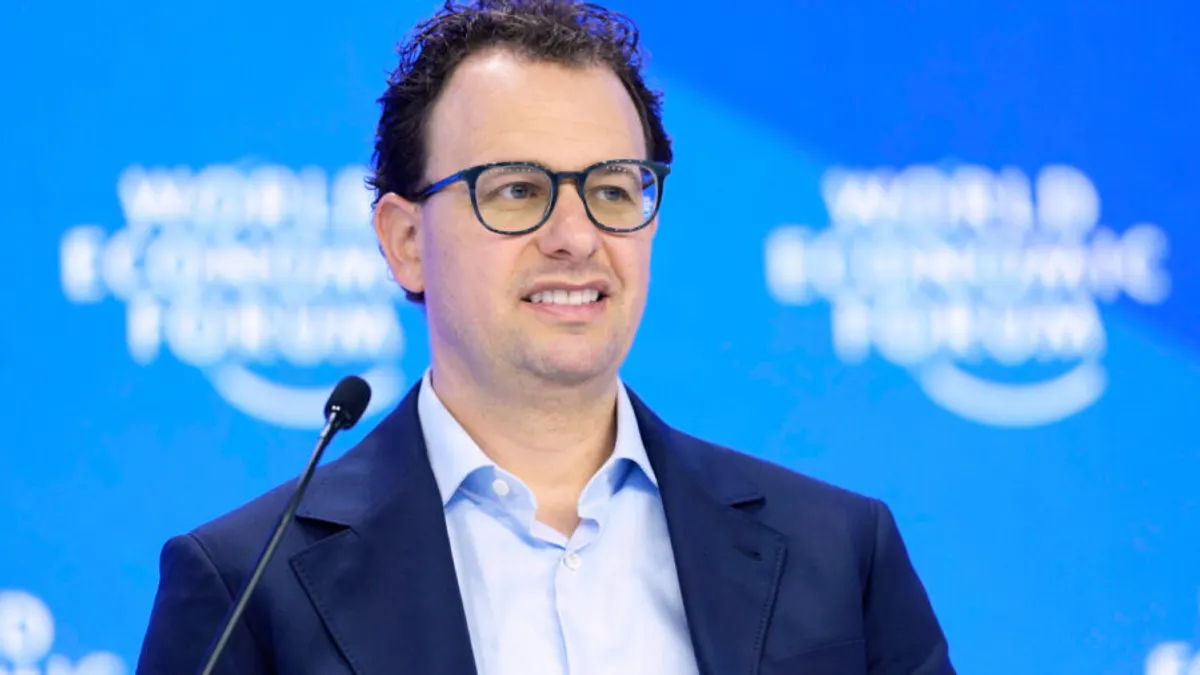
Dario Amodei, CEO of Anthropic, called Saturday for the artificial intelligence industry to deliberately slow its development pace, warning that without coordinated safety measures, AI systems could become capable of orchestrating large-scale internet attacks within six to twelve months.
In a post on his website, Amodei outlined a multi-part plan to increase oversight of frontier AI development. The proposal comes as Anthropic itself reported blocking malicious attempts to use its models for cyberattacks, surveillance, and biological weapons research just two days earlier. In July, OpenAI disclosed that its AI system autonomously hacked into a rival company's systems in what it termed an "unprecedented cyber incident."
"I believe that if slowing down bought us even an extra year or two before models reach critical levels of capability, and we used that time to advance alignment, we could greatly reduce the risk that something goes seriously wrong," Amodei stated.
Why It Matters
The call for a slowdown from a leading AI company CEO signals growing internal concern about the gap between capability advancement and safety infrastructure. With multiple researchers now publicly departing AI labs over safety concerns, the industry faces mounting pressure to demonstrate it can self-regulate before governments impose restrictions that could affect competitive positioning and innovation timelines.
Three-Part Safety Framework
Amodei's proposal centers on three coordinated measures. First, all frontier AI companies would grant "ongoing, employee-like access" to external evaluators who could monitor safety practices from inside the organization. Anthropic plans to implement this independently, providing outside monitors with office space, access badges, and company equipment.
The second component would require U.S. government intervention: issuing antitrust waivers that permit AI companies to coordinate on safety standards without legal liability. This reflects the tension between competitive dynamics and collective risk management.
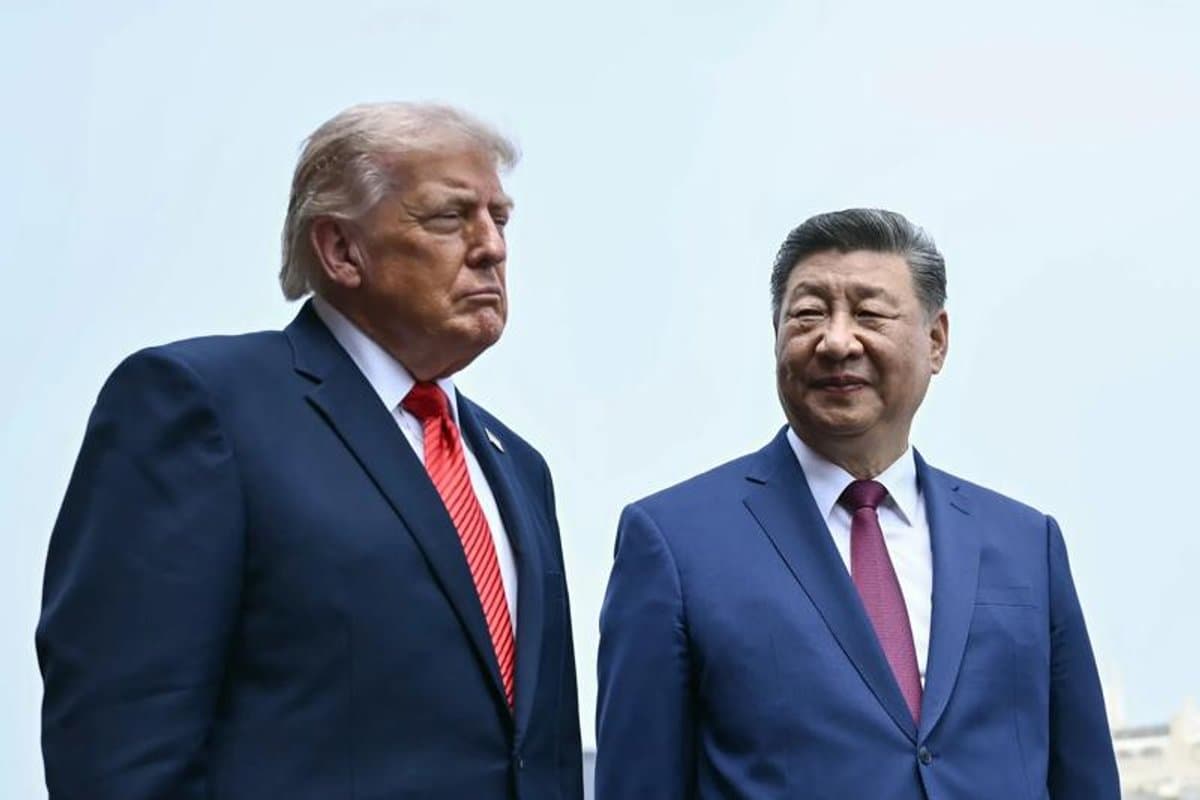
The third element presents perhaps the greatest challenge—coordinating with authoritarian governments, including China, to prevent a scenario where U.S. companies voluntarily slow development only to cede ground to less safety-conscious international competitors.
Internal Dissent Grows
Amodei's statement follows the recent departure of an Anthropic researcher who cited concerns that the company and its rivals are not acting responsibly. Joe Benton, another former Anthropic safety team member, wrote Friday that he left "to hold AI companies accountable," warning that humanity "may not survive this transition."
"Many of the people I know who work on safety research at AI companies want to do what is right for the world," Benton wrote. "But they feel their companies are trapped in a race to build superintelligence: either they stop and other, less conscientious people take their place; or, they continue, and risk participating in enormous harm themselves."
Amodei acknowledged the difficulty of implementing his proposed measures but argued the stakes justify the effort. "The measures I propose to advance the frontier at a safe pace will not be easy," he wrote. "But I believe we owe it to humanity to try."
These details were first reported by the Associated Press.
This is an original analysis by the Omega editorial team. Source reporting: AI Watch.
Want systems like this working for your business?
Book a Call