Anki Founder Launches Bedrock Robotics After Waymo Stint
Boris Sofman's path from consumer robot toys to autonomous trucking informs his new construction machinery venture.
From toy robots to construction sites
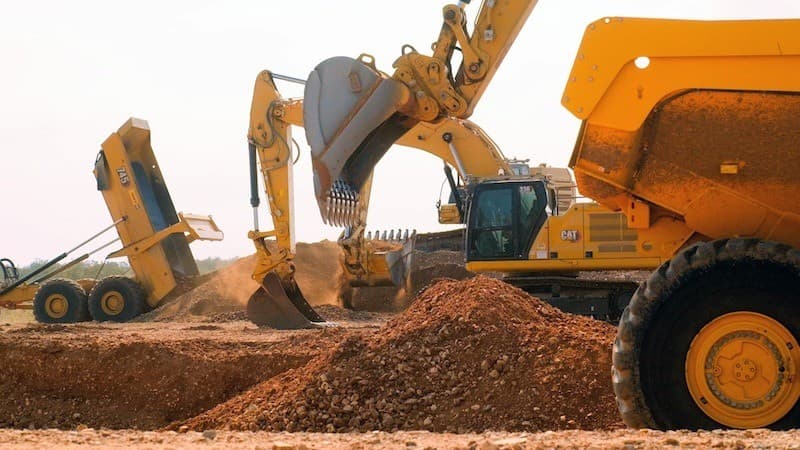
Boris Sofman has launched Bedrock Robotics, a startup applying autonomous vehicle technology to heavy construction machinery. The company, founded in March 2024, draws on lessons from Sofman's unusual career arc: building consumer robots at Anki and leading autonomous trucking development at Waymo.
Sofman spent nearly five years at Waymo, serving the last three and a half as senior director of engineering and head of trucking at the Alphabet subsidiary. He departed with several colleagues to form Bedrock, targeting an industry where automation has lagged despite clear operational challenges.
The move represents a return to entrepreneurship for Sofman, who co-founded Anki in 2010 after earning his robotics PhD from Carnegie Mellon University. That earlier venture became one of consumer robotics' most notable success stories—and cautionary tales.
The Anki experiment
Anki's founding thesis centered on a key insight: smartphone proliferation was driving down costs for components like microcontrollers, cameras, and wireless chips by a factor of ten. The startup believed these economics could finally make sophisticated consumer robots viable.
The company launched with Drive, iPhone-controlled cars that earned a spot in Apple's 2013 WWDC keynote. But Anki's breakthrough came with Cozmo in 2016—a desktop robot priced under $200 that packed genuine AI capabilities into a consumer product. The company sold millions of units, with Cozmo becoming eBay's top product during the 2016 holiday season after running out of stock.
Anki's decision to hire animators from Pixar and Dreamworks to design Cozmo's facial expressions seemed extravagant at the time. That approach has since been adopted by Amazon's Astro home robot, Fauna Robotics' Sprout, and likely influenced other consumer robotics efforts.
Despite strong sales, Anki couldn't navigate the toy industry's extreme seasonality and funding challenges. The company closed in 2019 after failing to secure additional capital.
Why it matters
Sofman's career trajectory illustrates how autonomous technology developed for one domain transfers to others—and how timing shapes robotics ventures. His observation that Anki "might have been early" reflects a broader pattern in robotics: promising technology often arrives before market conditions support sustainable businesses. Construction machinery represents a more forgiving target than consumer toys, with longer product cycles, higher price points, and clearer ROI calculations for customers. The combination of consumer robotics experience (user interaction, cost constraints) and autonomous vehicle expertise (perception, planning, safety validation) gives Bedrock an unusual foundation for tackling construction automation.
Building on lessons learned
Sofman told Automation Watch that both his Anki and Waymo experiences directly inform Bedrock's approach. Before Anki, he worked at robotic vacuum maker Neato Robotics for four years, applying autonomy and path planning concepts from his doctoral research.
The construction equipment sector presents different constraints than either consumer products or autonomous vehicles, but Sofman sees the combination of lessons as applicable. Heavy machinery operates in structured environments with clearer safety boundaries than public roads, while offering better unit economics than sub-$200 consumer devices.
These details were first reported by Automation Watch in an interview with Sofman.
This is an original analysis by the Omega editorial team. Source reporting: Automation Watch.
Want systems like this working for your business?
Book a Call