Alibaba to Require Revenue Sharing for Large Qwen AI Users
The Chinese tech giant will ask commercial customers generating significant income from its open-weight models to share a portion of their earnings.
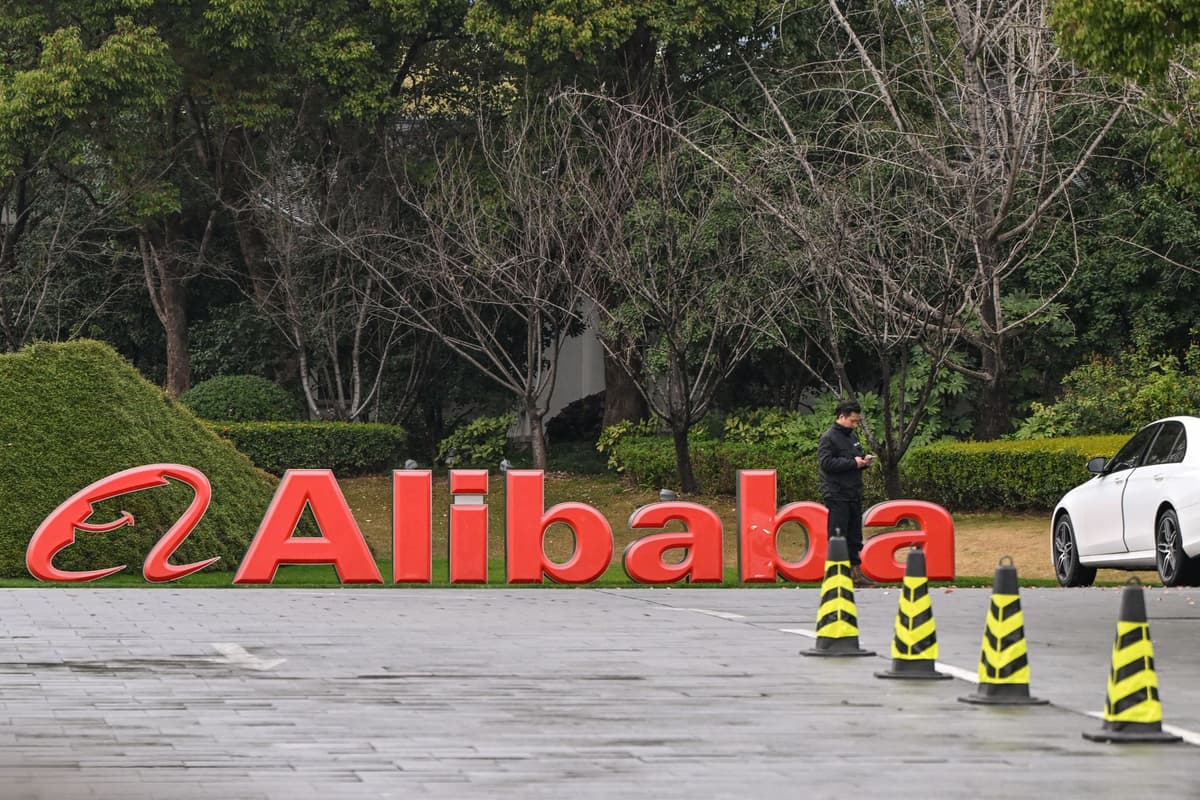
Alibaba is preparing to implement revenue-sharing requirements for large commercial users of its Qwen3.8-Max AI model when the company releases the open-weight version next week, according to Reuters. The move represents a significant shift in how the Chinese tech giant monetizes its artificial intelligence technology beyond its own cloud infrastructure.
The company has not finalized the specific revenue-share percentage, as negotiations with potential partners continue. The requirement will target commercial users who deploy the model at scale, though Alibaba has not publicly disclosed revenue thresholds that would trigger the sharing obligation.
Why it matters
This licensing approach signals a new business model emerging in the AI industry, where companies releasing open-weight models seek to capture value from downstream commercial applications rather than relying solely on cloud service fees. The strategy could reshape how AI providers balance openness with profitability, particularly as competition intensifies between Chinese and Western AI companies.
Following Moonshot's Lead
Alibaba's decision follows a similar path taken by Chinese AI startup Moonshot with its Kimi K3 model. Moonshot requires any party selling Kimi K3 as a service and generating more than $20 million in annual revenue to establish a commercial agreement with the company. That agreement can include a revenue share reaching up to 30%, Reuters reported, citing sources familiar with the arrangement.
Chinasoft International publicly disclosed a revenue-sharing agreement with Moonshot in a regulatory filing last month, though the company did not specify the percentage involved.
Shift from Current Model
Until now, Alibaba has primarily monetized its AI models by charging developers who access them through Alibaba Cloud. The company has allowed most open-weight deployments in customers' own data centers without imposing fees. The new revenue-sharing requirement would extend Alibaba's ability to capture value from commercial deployments that currently operate outside its cloud platform's reach.
Alibaba released Qwen3.8-Max earlier this week, positioning it as the company's most capable model to date. The system features 2.4 trillion total parameters and 95 billion active parameters, marking the first time Alibaba has open-sourced a model at this scale. Following the announcement, Alibaba stock rose 4.5% in premarket trading in New York and 7% on the Hong Kong exchange.
Industry Perspective
DigitalOcean CEO Paddy Srinivasan, whose company offers Kimi K3 and other Chinese AI models to customers, confirmed that DigitalOcean has established a commercial arrangement with Moonshot, though he declined to provide specific terms. Srinivasan characterized the approach as "a tried and tested open-source 'freemium' model."
Dan Fu, vice president of kernels at Together AI, explained that AI software providers find their revenue opportunities in the efficiency gains they deliver around tokens—the fundamental units AI systems use to process queries. "At the application layer, there's value out there for how you use it, how you actually get the models and the tokens to do something useful," Fu said.
These details were first reported by Reuters.
This is an original analysis by the Omega editorial team. Source reporting: AI Watch.
Want systems like this working for your business?
Book a Call