Airbnb CEO: AI Now Writes 60% of Our Code as We Push Founder Mode
Brian Chesky says staying detail-focused while AI accelerates development is helping Airbnb move like a startup at Fortune 500 scale.
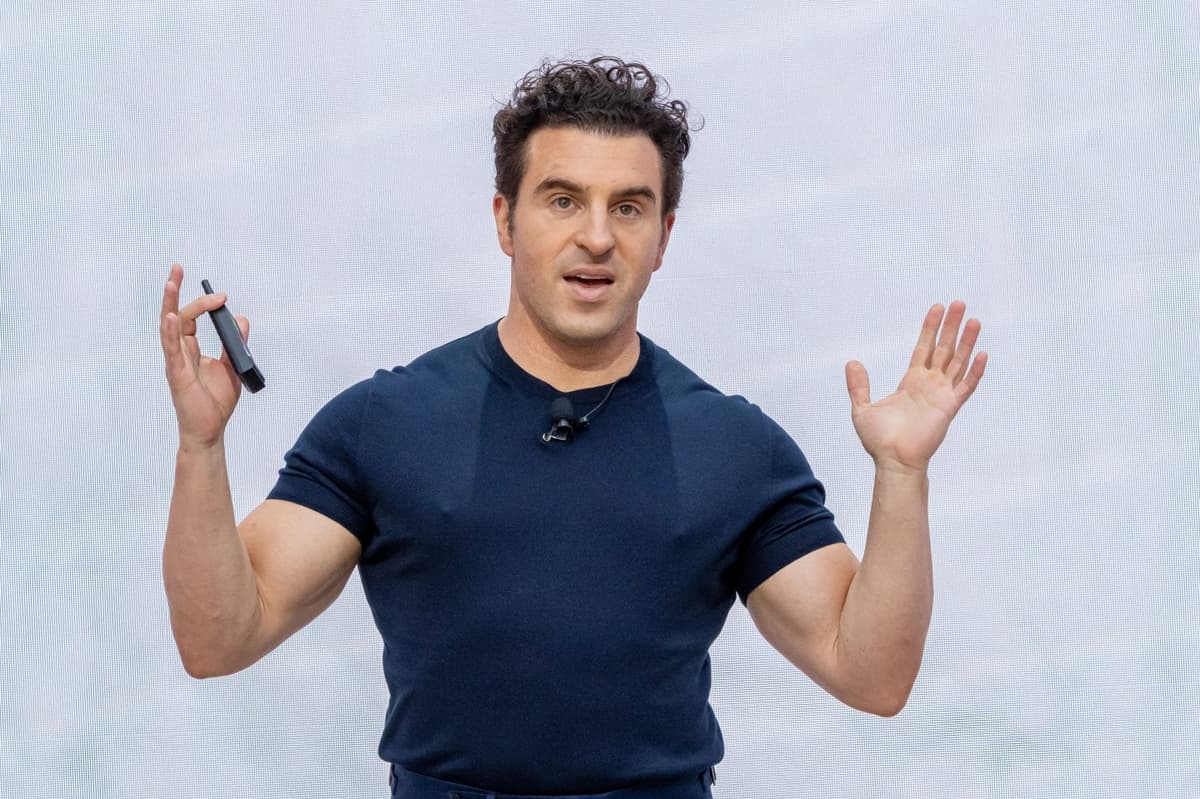
Airbnb leans into AI development at scale
Airbnb CEO Brian Chesky disclosed that artificial intelligence now generates 60 percent of the company's new code, a milestone he credits with helping the vacation rental platform maintain startup-like velocity despite its $110 billion valuation and 8,200-person workforce.
Speaking to CNBC and during the company's August 6 earnings call, Chesky framed AI adoption as inseparable from what he calls "founder mode"—a hands-on leadership approach that prioritizes detail orientation over delegation. The strategy appears to be paying off: Airbnb reported $3.6 billion in second-quarter revenue, beating analyst expectations.
Why it matters
Chesky's disclosure offers rare specificity about AI's penetration into core engineering workflows at a major consumer platform. While many companies tout AI investments, quantifying that 60 percent of new code comes from AI tools provides a concrete benchmark for how quickly generative models are reshaping software development cycles. His emphasis on founder-led oversight also challenges the assumption that AI automation reduces the need for executive attention to technical details.
From concept to launch in 60% less time
Earlier in 2026, Chesky told investors that AI had reduced the time from initial concept to product launch by as much as 60 percent. The company is now channeling those efficiency gains into customer-facing features, including an AI-powered support tool that resolves 45 percent of user inquiries without human intervention and planned tests of AI-driven search functionality.
Chesky monitors token usage and AI output closely, treating the technology as a lever for organizational speed rather than a black box. "AI is accelerating this work across search, sign-up, checkout, and payments," he said on the earnings call, noting that reduced friction in the booking process has become a primary growth driver.
Founder mode meets machine learning
The term "founder mode" gained traction in 2024 after Y Combinator's Paul Graham published an essay inspired by Chesky's talk at a fund event. Chesky has since refined his definition: start in the details, build trust and institutional memory, then delegate selectively. "Great leadership is presence, not absence," he told Fortune.
Chesky argues that AI makes this approach more viable at scale. "The winners of AI are going to be the companies that embrace transformation," he told CNBC. "You might call it founder mode, not manager mode." He rejects what he calls the "fallacy" of running large companies as autonomous structures, insisting that effective organizations require coordinated effort under clear direction.
New AI lab in the works
Chesky is launching a dedicated AI lab, though he has shared few specifics. He predicted it could take up to 18 months for new consumer-facing AI software to debut and described the effort as a "very, very tall mountain." He believes the industry has made limited progress on consumer AI applications and expects a "renaissance" that will reshape daily life.
According to Bloomberg sources, Airbnb is working to become a comprehensive travel and vacation hub, a shift that could add $1 billion in revenue. Chesky envisions AI chatbot technology as central to future vacation planning. "I think a year from now, you're going to see it be very AI-native," he said.
Among Fortune 500 companies, 26 remain founder-led, including Dell Technologies, BlackRock, Meta, and Nvidia. Chesky joins that cohort in betting that hands-on leadership combined with aggressive AI adoption will define competitive advantage in the coming decade.
Details were first reported by Fortune and CNBC.
This is an original analysis by the Omega editorial team. Source reporting: AI Watch.
Want systems like this working for your business?
Book a Call