AI Surveillance Expands Across Maine Beyond Police Cameras
License plate readers, workplace monitors, and parking lot systems are spreading through the state as AI-powered surveillance moves into everyday spaces.
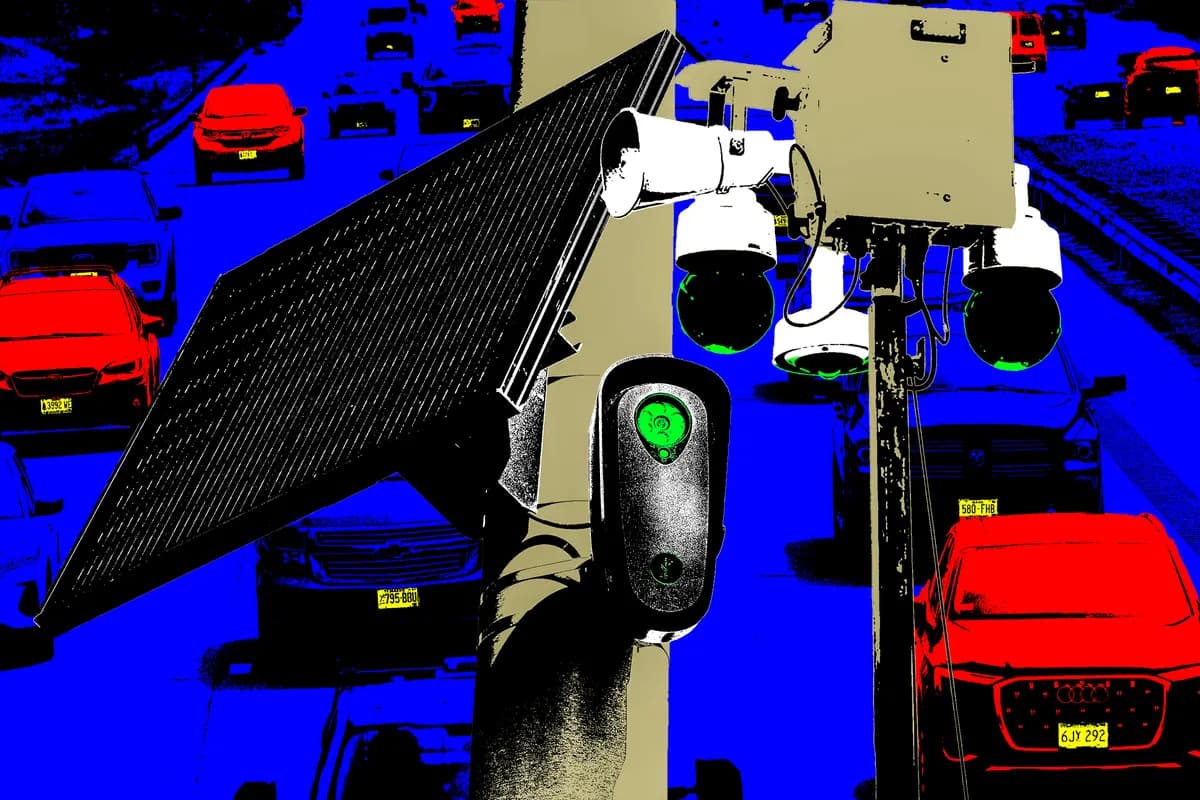
AI-Powered Monitoring Spreads Through Maine Communities
Artificial intelligence surveillance systems are proliferating across Maine, extending far beyond the automated license plate readers that have drawn public attention in recent months. The technology now appears on highways, in grocery stores, near schools, and throughout commercial parking lots across the state.
While Flock cameras and similar automated license plate reader (ALPR) systems deployed by police departments have dominated recent headlines, they represent only one facet of a broader expansion of AI-enabled monitoring. The surveillance infrastructure now includes workplace cameras tracking construction worker productivity and large mobile units equipped with cameras, microphones, and speakers that retail chains use to monitor their parking areas.
Multiple Surveillance Technologies Converging
The deployment spans diverse settings and purposes. Police departments continue adding ALPR systems to capture and analyze vehicle movements. Meanwhile, private sector adoption has accelerated, with construction sites implementing AI systems to assess worker performance and big-box retailers positioning substantial trailer-mounted surveillance units in their parking facilities.
These systems share a common foundation in artificial intelligence, which enables automated analysis of visual and audio data at scales impossible with traditional security cameras. The technology can identify patterns, flag anomalies, and generate alerts without continuous human monitoring.
Why It Matters
The quiet expansion of AI surveillance across Maine reflects a national trend that raises significant questions about privacy, data retention, and the balance between security and civil liberties. Unlike high-profile police camera deployments that typically undergo public debate, workplace and retail surveillance systems often arrive with minimal community awareness or input. As these technologies become embedded in daily life—from highway shoulders to grocery aisles—their cumulative impact on privacy norms and expectations deserves scrutiny from policymakers and citizens alike.
Growing Presence in Public and Private Spaces
The geographic spread of these systems means Maine residents increasingly encounter AI surveillance in routine activities. The technology monitors vehicles traveling state roads, observes workers on job sites, and tracks activity in commercial parking areas where people shop and conduct daily business.
This expansion occurs as AI capabilities continue advancing, enabling more sophisticated analysis of captured data. Modern systems can do more than simply record—they can identify, categorize, and respond to what they observe in real time.
These details were first reported by the Portland Press Herald, which documented the presence of surveillance technology throughout Maine communities.
This is an original analysis by the Omega editorial team. Source reporting: AI Watch.
Want systems like this working for your business?
Book a Call