AI Spending Now Drives Half of U.S. GDP Growth, Analysts Warn
Calls from tech leaders to slow AI development collide with an economy deeply dependent on continued investment in the sector.

Economic dependence creates fragile foundation
Artificial intelligence spending has become so central to the United States economy that it now accounts for approximately half of the country's GDP growth, according to recent estimates. This concentration has investors warning of a precarious situation they describe as a "wobbly house of cards" — one that could trigger consequences on the scale of the dot-com crash if disrupted.
The warning comes at a particularly tense moment. Major AI lab leaders, including Anthropic CEO Dario Amodei, OpenAI's Sam Altman, and Elon Musk, have publicly argued for slowing AI development due to concerns about existential risks. Yet the economic reality may not permit such restraint.
"People may not fully grasp just how wound up the market and the economy is in all of this," Jim Morrow, CEO of Callodine Capital Management, said. "There are just so many things to unravel if it starts."
Why it matters
The tension between safety concerns and economic momentum reveals a fundamental challenge in AI governance. When a single technology sector becomes this integral to national economic growth, policy decisions about its pace and direction carry implications far beyond the technology itself. Business leaders face a landscape where both acceleration and deceleration carry significant risks.
Investment without guaranteed returns
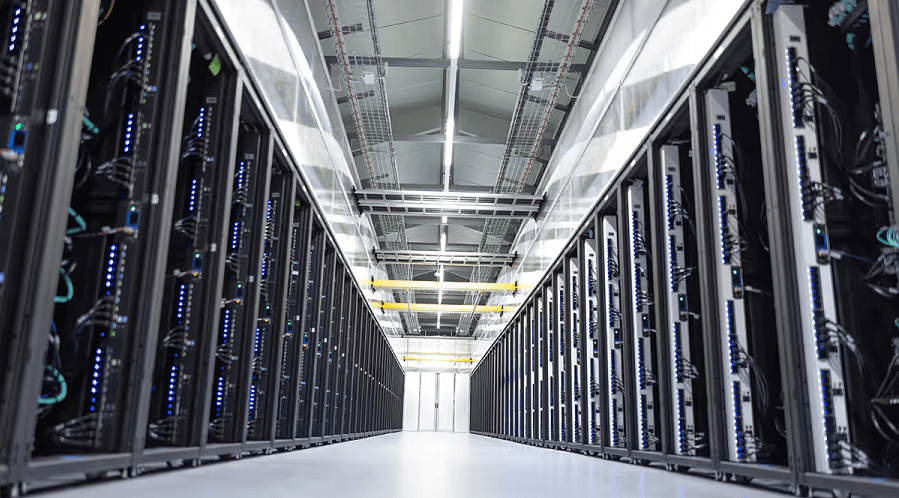
The current AI boom rests on massive data center projects and capital expenditures that have yet to demonstrate clear returns on investment. Companies continue borrowing heavily to fund expansion, with rising interest rates making that debt increasingly expensive to service.
Adding to the uncertainty, open source AI systems are rapidly closing the gap with proprietary frontier models, potentially undermining the business case for the enormous investments being made by leading companies.
"If we see AI development slow, that means capex is likely to slow," said Anthony Saglimbene, chief market strategist at Ameriprise. "Any slowdown would reset the profit expectations for the entire ecosystem. Given how concentrated the market is to AI, that would be a severe headwind."
Winners and losers in a shakeout
Analysts expect that if the current investment model proves unsustainable, the resulting consolidation would be severe. Michael Mullaney, director of global market research at Boston Partners, predicted that only a handful of companies would emerge profitable on the other side.
"Will there be winners? Absolutely," Mullaney said. "It's hard to say who is going to wind up on the other side of this thing and coining money to justify all their expenses."
Meanwhile, international competition adds another dimension to the dilemma. China has dismissed calls to slow AI development as "fear-mongering," making unilateral restraint by U.S. companies a potentially risky strategic choice.
These details were first reported by Bloomberg.
This is an original analysis by the Omega editorial team. Source reporting: AI Watch.
Want systems like this working for your business?
Book a Call