AI Receptionist Struggles With Yorkshire Accents at UK Clinics
Healthwatch Rotherham reports patients face barriers with EMMA system that handles appointment bookings at GP surgeries.
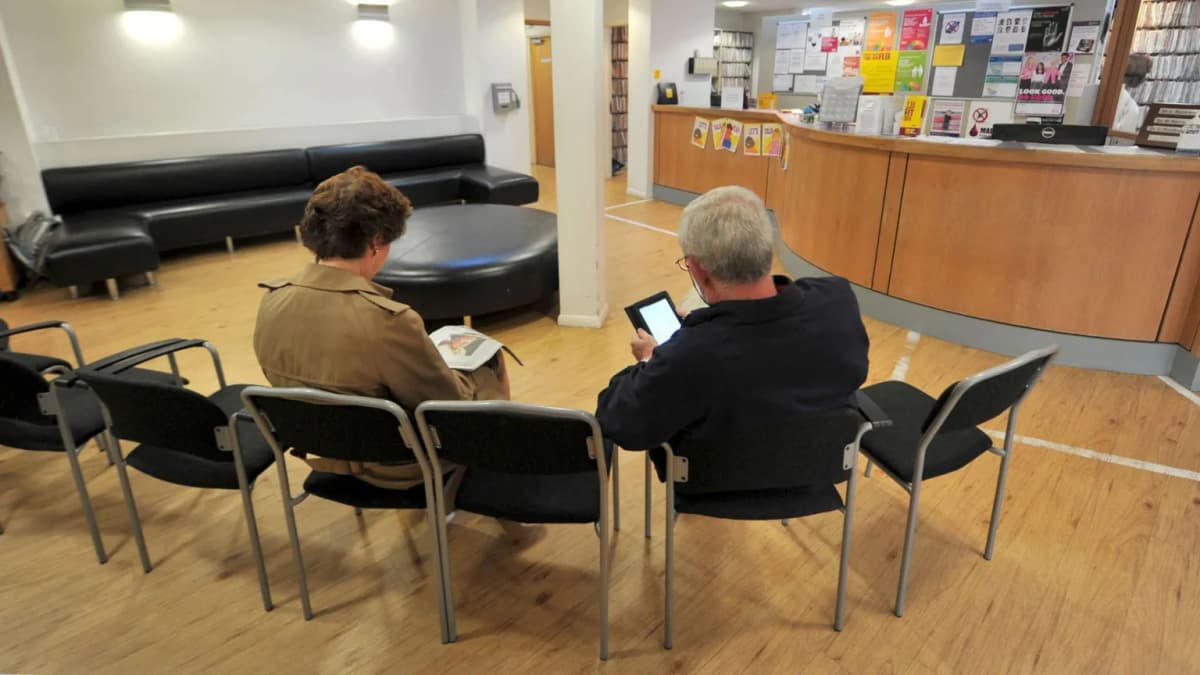
AI Phone System Creates Access Barriers for Some Patients
GP surgeries in Rotherham, England have deployed an artificial intelligence receptionist system that is failing to understand patients with Yorkshire accents, according to a local health watchdog. The system, called EMMA, is used to triage patient calls and reduce phone wait times, but Healthwatch Rotherham reports it struggles with regional speech variations and impediments.
Healthwatch manager Kym Gleeson said the organization visited community groups to assess how digitally excluded populations were experiencing the technology. "One of the issues is this system can't always understand what people's inquiry is about due to their broad Yorkshire accent," Gleeson explained, noting that accents vary considerably across South Yorkshire.
Some patients have resorted to visiting their surgeries in person after finding the telephone system too difficult to navigate, particularly when feeling vulnerable due to illness. Healthwatch has been informing elderly and veterans groups that they can opt out of the AI system and request to speak with human staff.
How the System Works
EMMA is developed by QuantumLoopAI and deployed at multiple surgeries across the region, though NHS South Yorkshire Integrated Care Boards could not specify how many practices use it. The system answers calls instantly to eliminate telephone queues and performs initial triage before connecting patients to appropriate services.
According to QuantumLoopAI, EMMA is trained to understand various accents and dialects and supports 17 languages beyond English. The company emphasized that the system does not make clinical decisions and that callers can request a human staff member at any time. When EMMA cannot understand or handle a request, calls are automatically transferred to the reception team.
Mixed Patient Response
While Healthwatch identified accessibility concerns, QuantumLoopAI reported that feedback has been "overwhelmingly positive," with more than 90 percent of patients reporting service improvements. Gleeson acknowledged that the system does navigate calls more swiftly for many users, though she noted concerns from patients uncomfortable sharing health details with AI.
The company said it recognizes an adjustment period accompanies new technology and understands patient concerns about the transition.
Why It Matters
This case illustrates a critical challenge in healthcare AI deployment: systems trained primarily on standard speech patterns may inadvertently create access barriers for populations with regional accents, speech differences, or disabilities. As healthcare providers increasingly adopt AI to manage capacity constraints, ensuring these tools work equitably across diverse patient populations becomes essential. The issue also highlights the importance of maintaining human alternatives and informing patients of their right to opt out of automated systems.
Regulatory Response
Patients legally can request reasonable accommodations to help them make appointments, and Healthwatch Rotherham advised people to speak with practice managers about concerns. The organization will forward its findings to Healthwatch England, which reports to the Department of Health and Social Care.
Anthony Fitzgerald, executive lead for primary care at NHS South Yorkshire Integrated Care Boards, said the organization is working with Healthwatch to develop guidance for practices on AI telephone systems, though adoption remains an individual practice decision within contractual requirements.
These details were first reported by the BBC.
This is an original analysis by the Omega editorial team. Source reporting: AI Watch.
Want systems like this working for your business?
Book a Call