AI Reads ECGs in Two Seconds to Detect Heart Disease
Tool trained on millions of patients identifies heart failure and valve disease from routine electrocardiograms, potentially cutting months-long waits for diagnosis.
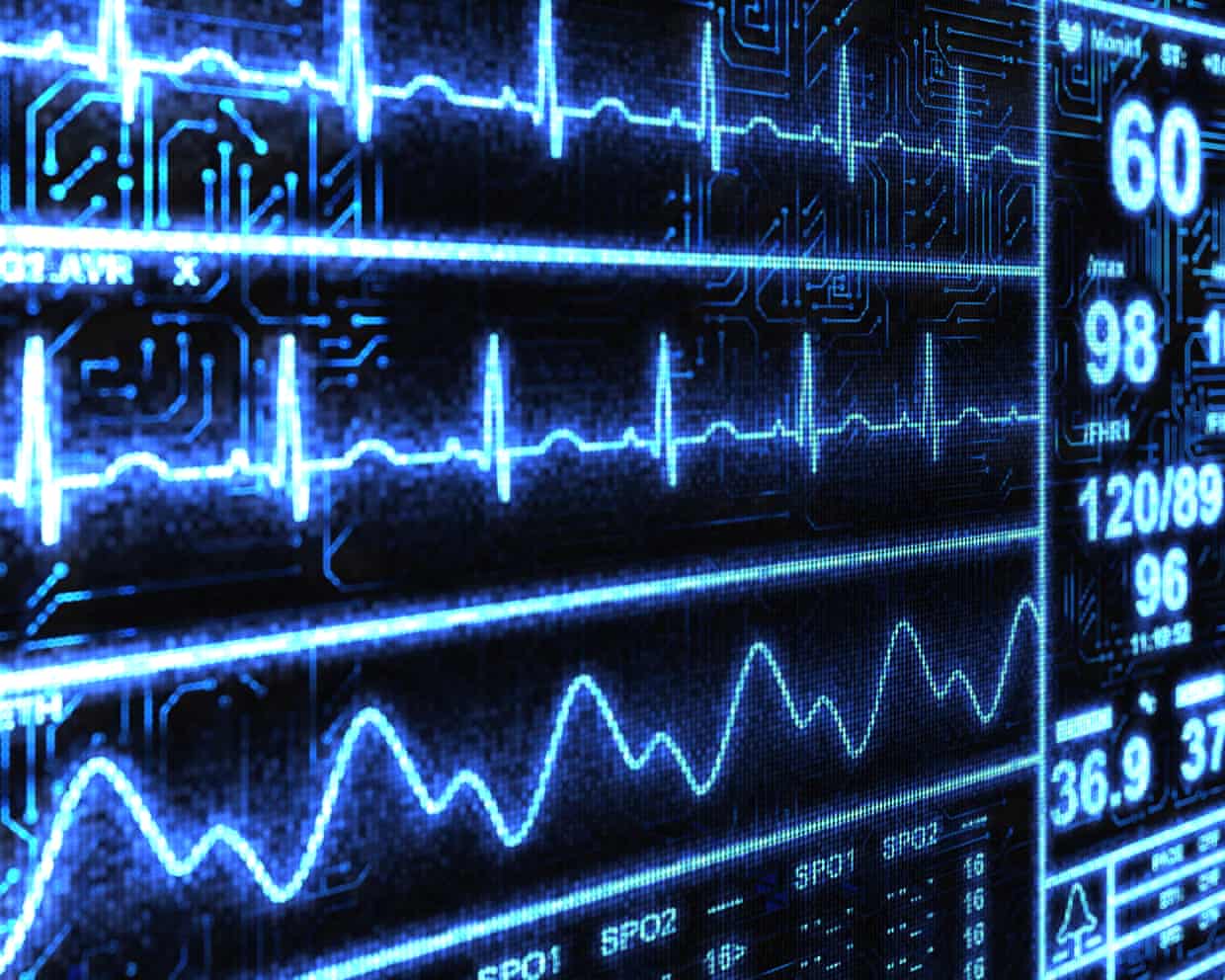
AI extracts hidden signals from century-old heart test
Researchers at Imperial College London have developed artificial intelligence that can identify heart failure and heart valve disease from standard electrocardiograms in less than two seconds—a capability that could accelerate diagnosis for conditions that typically require months of waiting for specialized scans.
The technology analyzes routine ECG readings to extract information invisible to clinicians. While electrocardiograms have been a cornerstone of cardiac care for a century, recording the heart's electrical activity to diagnose attacks and rhythm abnormalities, they cannot traditionally detect structural heart disease. That requires an echocardiogram, an ultrasound procedure with waiting lists that often stretch for months.
In a trial involving 67,000 patients in the United States, the AI system identified up to 81% of individuals with heart failure and up to 90% of those with heart valve disease. The findings were presented at the European Society of Cardiology annual congress in Munich, according to The Guardian, which first reported the development.
Why it matters
With approximately one billion ECGs performed globally each year, this technology could transform one of medicine's most common diagnostic tests into a triage tool for serious cardiac conditions. Early detection of heart failure and valve disease enables patients to begin lifesaving treatments before their conditions become critical. The AI could also incidentally flag these diseases in patients undergoing ECGs for unrelated reasons, catching cases that might otherwise go undiagnosed until symptoms worsen.
Fast-tracking high-risk patients
The tool does not provide definitive diagnoses on its own, but it generates strong indicators that a patient may have heart failure or valve disease. Those flagged as high-risk could be prioritized for echocardiograms rather than joining standard waiting lists.
"Patients can often wait several months for a heart ultrasound scan after being referred for one by their doctor," said Prof. Fu Siong Ng of Imperial College London. "This makes it exciting that our technology could identify patients most at risk of heart failure and heart valve disease, so they could be prioritised for scans faster and more urgently."
Dr. Ahmed El-Medany, a British Heart Foundation clinical research fellow who led the analysis, characterized the system as "superhuman AI." The research team's next objective is designing handheld AI-powered ECG readers for clinical use.
Ng noted an additional application: running the AI model on all ECGs performed in a hospital to opportunistically identify undiagnosed cases among patients being tested for other conditions.
Broader diagnostic applications
At the same Munich conference, researchers from the University of Tokyo and the Institute of Science Tokyo presented separate work showing that AI analysis of five-second facial videos could detect undiagnosed high blood pressure and type 2 diabetes—conditions affecting millions who remain unaware of their status.
Dr. Sonya Babu-Narayan, clinical director of the British Heart Foundation, which funded the ECG research, acknowledged the technology's limitations while emphasizing its potential: "Technology like the AI ECG in this research, which has the potential to identify high-risk patients early, will not detect everyone with a heart condition. But it could be a solution to help fast-track the patients who are most likely to have a heart abnormality."
The Guardian provided details of this research.
This is an original analysis by the Omega editorial team. Source reporting: AI Watch.
Want systems like this working for your business?
Book a Call