AI Radiotherapy Planning Reaches One-Second Speed in Research
Deep-learning systems promise dramatic acceleration, but workforce gaps and payment structures remain barriers to faster cancer treatment.
AI Radiotherapy Planning Reaches One-Second Speed in Research
Researchers have developed deep-learning systems capable of generating radiotherapy treatment plans in under one second, though experts caution that technology alone cannot eliminate the weeks-long delays many cancer patients face before starting treatment.
Why it matters
Radiotherapy wait times directly affect cancer outcomes, yet current workflows often create 10-14 day gaps between consultation and treatment start. While AI planning acceleration addresses one bottleneck, the broader challenge encompasses workforce shortages, infrastructure limitations, and payment incentives that can actually discourage same-day planning—revealing that technical capability and healthcare delivery operate on different timelines.
Research demonstrates sub-second planning
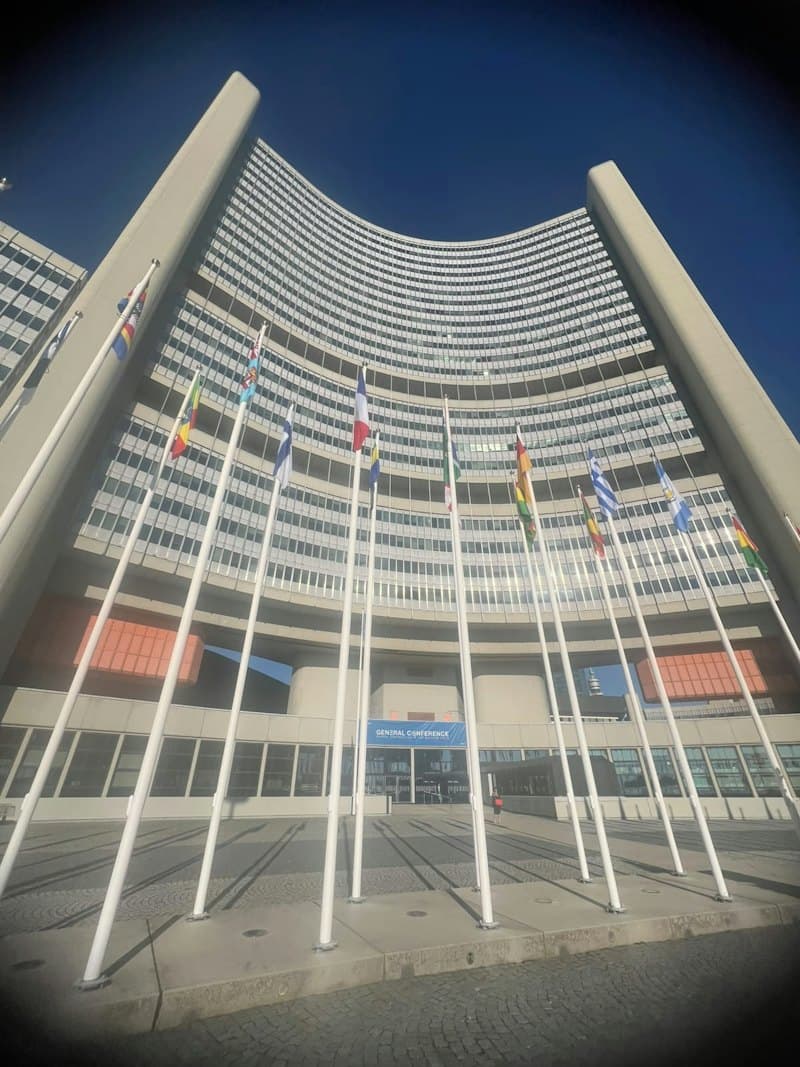
Speaking at the IAEA Scientific Forum in Vienna, Deepak Khuntia, chief medical officer at Varian (a Siemens Healthineers company), described research projects achieving complete treatment planning—including segmentation, optimization, and quality assurance—within one second of completing a planning scan. He emphasized the work remains in research phase, with publication planned for later in the year.
A March 2026 preprint describes AIRT, a deep-learning framework that generates single-arc prostate VMAT plans in under one second using Nvidia A100 GPU processing. The system, developed by Simon Arberet and colleagues, was trained on more than 10,000 intact-prostate cases and demonstrated results matching or exceeding traditional RapidPlan Eclipse methods for target coverage and organ protection.
Separate research from July 2026 describes a foundation-model agent performing daily cone-beam CT-guided adaptive planning in under two minutes, covering head-and-neck, lung, abdominal, and prostate cancers across both photon and proton therapy. That system operates within a human-in-the-loop framework requiring clinician intervention and final approval.
Beyond technology: structural barriers
Khuntia argued that existing medical education capacity cannot produce enough clinicians to meet growing demand, positioning automation as one response to capacity constraints. However, Thomas Pascual of the Philippine Nuclear Research Institute emphasized that automation addresses only one element of a complex system requiring workforce development, appropriate infrastructure procurement, equipment maintenance, and training matched to patient demand.
Current U.S. reimbursement structures can create perverse incentives. "You get paid less if you do all of the planning on the same day as the consult," Khuntia noted, describing how payment systems can encourage separating workflow steps across multiple days. "That's not good medicine, but that's how you make medicine profitable in the U.S."
The human cost of delay
Wait times in some regions reach extreme levels. Khuntia recounted an African governor's report of a 477-day average wait for cervical cancer radiotherapy in his state. Zainab Shinkafi-Bagudu, CEO of the Medicaid Cancer Foundation and president-elect of the Union for International Cancer Control, highlighted that patient costs extend beyond treatment charges to transportation, accommodation, and food—making geographic access and treatment speed critical factors in cancer care equity.
These details were first reported by AuntMinnie Europe, which covered the IAEA Scientific Forum discussions in Vienna.
This is an original analysis by the Omega editorial team. Source reporting: Automation Watch.
Want systems like this working for your business?
Book a Call
