AI Photo Editing Threatens Credibility of Birding Databases
Scientists warn that enhanced and fake bird images are contaminating citizen science platforms used for ecological research.
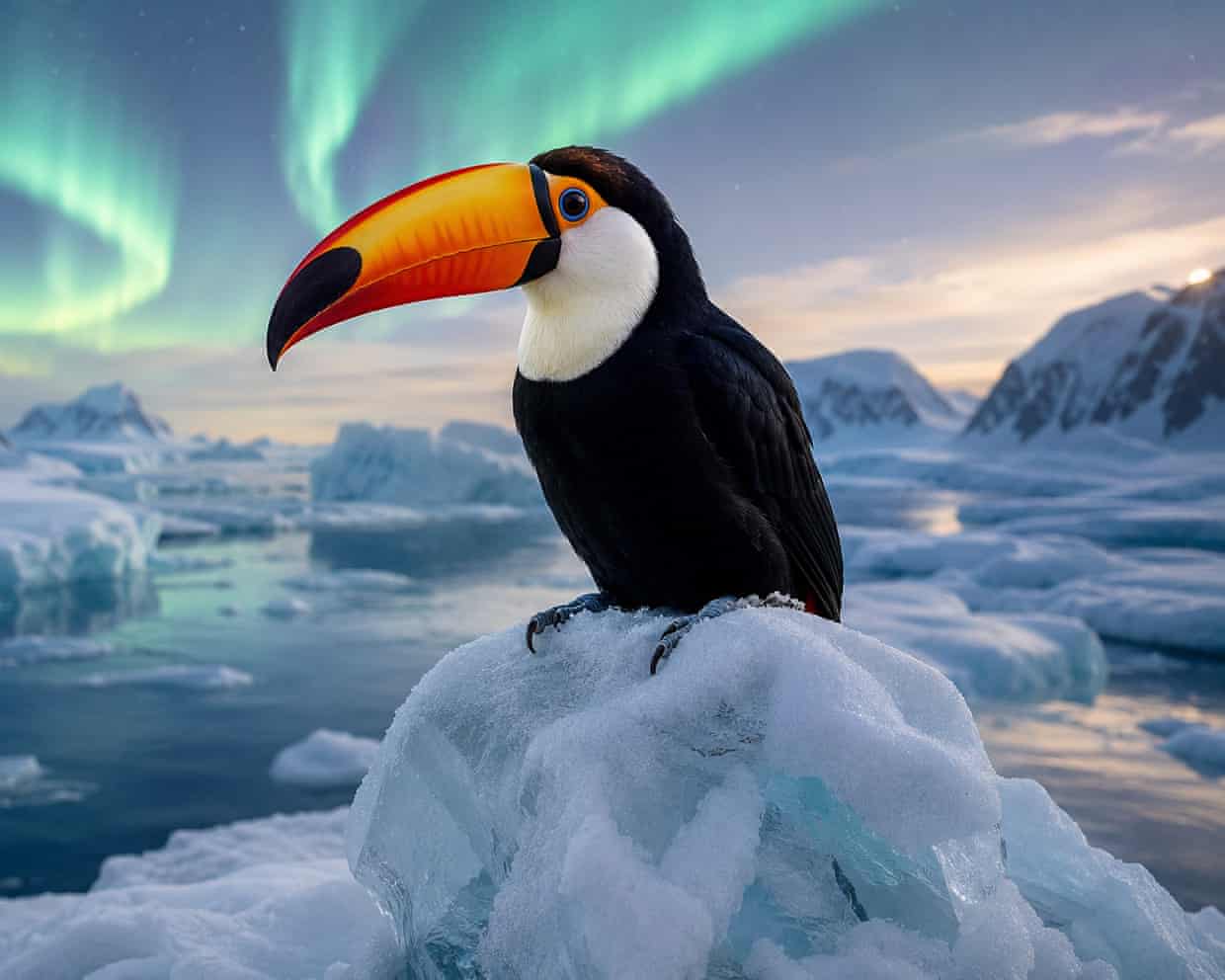
Scientists are sounding the alarm about a growing problem in citizen science: artificial intelligence tools are introducing fake and manipulated bird sightings into databases that researchers depend on for ecological monitoring.
The issue centers on platforms like iNaturalist and Macaulay Library, where amateur naturalists upload millions of wildlife observations. These crowdsourced records help scientists track species distribution, monitor climate change impacts, and document biodiversity. But the proliferation of AI image editing tools is now threatening the integrity of this data.
Dr. Alexander Lees, an ecologist at Manchester Metropolitan University, recently co-authored a commentary in the journal Nature highlighting the problem. The researchers found hundreds of fake images already present in popular species databases, though they acknowledge the true scale remains unknown since many manipulated photos likely go undetected.
How AI Creates False Records
The problem isn't limited to deliberate hoaxes. While completely fabricated images do appear—AI-generated wildlife photos are now common on social media—a more insidious issue involves well-meaning photographers using AI to "improve" legitimate photos.
Lees cited a concrete example: a reported sighting of a red-winged blackbird in central Brazil, a species native to North America that had never been documented in that region. Investigation revealed the bird was actually an epaulet oriole, a common local species. The photographer had used AI to enhance the image quality, and the algorithm inadvertently introduced visual elements from the red-winged blackbird, creating a false record.
"Wildlife photographers can be quite obsessed with getting a beautiful photo, but there's a risk that the image might actually cause problems down the line when AI has been used to edit it," Lees explained.
The AI might remove an obscuring branch or enhance colors, but in doing so can blend features from different species or add entirely fabricated details.
Scale of the Problem
Citizen science organizations are still assessing the extent of contamination. Tony Iwane, director of community support at iNaturalist and a co-author on the Nature paper, noted that only 1,400 of the platform's more than 610 million images have been flagged for AI use—a tiny fraction that likely represents significant underreporting.
Iwane emphasized that most cases appear unintentional rather than malicious, but stressed the stakes for conservation science. "Regular people are posting information that a scientist could probably never get at scale," he said. "It is also almost like a sensor of what is happening on Earth in real time: are plants flowering early? Are species moving north as the climate warms?"
Why it matters
Citizen science platforms have become essential infrastructure for ecological research, enabling discoveries and monitoring at scales impossible through traditional fieldwork alone. If AI contamination undermines confidence in these databases, scientists lose a critical tool for understanding biodiversity loss, climate impacts, and species conservation needs. The challenge is particularly acute because distinguishing subtle AI alterations from authentic photos is often difficult, even for experts.
These findings were first reported by The Guardian.
This is an original analysis by the Omega editorial team. Source reporting: AI Watch.
Want systems like this working for your business?
Book a Call